









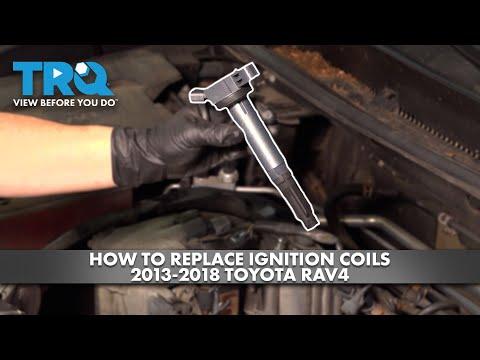






How to Replace Ignition Coils on a 2014 Toyota RAV4 2.5L Engine
Step-by-step DIY ignition coil replacement with tools, parts list, torque specs, safety tips, and cost savings for 2009, 2010, 2011, 2012, 2013, 2014, 2015, 2016, 2017, 2018
How to Replace Ignition Coils on a 2014 Toyota RAV4 2.5L Engine
Step-by-step DIY ignition coil replacement with tools, parts list, torque specs, safety tips, and cost savings for 2009, 2010, 2011, 2012, 2013, 2014, 2015, 2016, 2017, 2018


🔧 RAV4 - Ignition Coil Replacement
You’ll be removing the plastic engine cover, unplugging each ignition coil, and swapping it with a new one on your RAV4’s 2.5L engine. This sits right on top of the engine and is a very doable job at home.
Difficulty Level: Beginner | Estimated Time: 0.5–1.0 hours
⚠️ Safety & Precautions
- 🔸Always work with the engine completely cool to avoid burns.
- 🔸Turn the ignition OFF and remove the key before touching coils or wiring.
- 🔸Disconnect the negative battery terminal if you’re nervous about electrical connectors; this prevents accidental short circuits.
- 🔸Do not pull on wires; always pull on the plastic connectors.
- 🔸Keep tools and hardware away from the battery positive terminal to avoid sparks.
🔧 Required Tools
You'll need the following tools for this repair:
- 🔸10mm socket
- 🔸1/4" drive ratchet
- 🔸1/4" drive extension (3"–6")
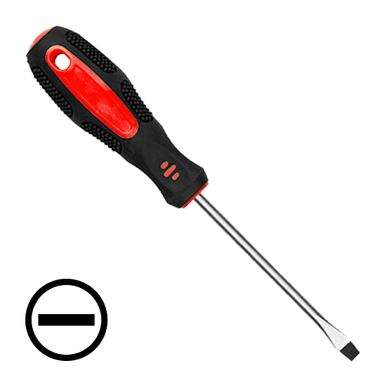
- 🔸Small flathead screwdriver
- 🔸Torque wrench (inch-pound or low-range Nm)
- 🔸Needle-nose pliers
- 🔸Shop rag
- 🔸Mechanic gloves
- 🔸Safety glasses
🔩 Required Parts
HowToo sells all the parts you need for this repair:
- 🔸Ignition coil (2AR-FE 2.5L) - Qty: 4 (Replace all four recommended)
- 🔸Dielectric grease for ignition components - Qty: 1 small tube
- 🔸Battery terminal cleaning brush - Qty: 1 (optional)
📋 Before You Begin
- 🔸Park your RAV4 on level ground, shift to Park, and set the parking brake.
- 🔸Turn the engine OFF and remove the key from the ignition.
- 🔸Open the hood and use the hood prop rod to secure it.
- 🔸If you want maximum safety, loosen the negative battery terminal using the 10mm socket and set the cable aside so it cannot touch the terminal.
- 🔸Blow or wipe off loose dirt from the top of the engine with a shop rag so debris doesn’t fall into the spark plug area.
🔨 Step-by-Step Instructions
Follow these steps in order:
Step 1: Remove the engine cover
- 🔸Stand at the front of your RAV4 and locate the black plastic cover on top of the engine.
- 🔸Grip the sides of the cover with both hands.
- 🔸Pull straight up firmly; it is held by rubber grommets, not bolts. No tools needed here.
- 🔸Set the cover aside in a safe place.
Step 2: Identify the ignition coils
- 🔸You will see four black cylindrical units along the top of the engine, each with a small electrical connector and held by a single bolt. These are the ignition coils.
- 🔸Note their positions from left to right (cylinders 1–4 when standing at the front of the vehicle).
- Take a quick phone photo for reference.
Step 3: Disconnect the first ignition coil connector
- 🔸Pick one coil to start with; it’s okay to do them one at a time to avoid confusion.
- 🔸On the coil’s electrical connector, use your thumb to press down on the plastic locking tab.
- 🔸While pressing the tab, gently pull the connector straight back. If it’s stuck, use a small flathead screwdriver to gently lift the tab while you pull.
- 🔸Do not pry hard; you don’t want to break the tab.
Step 4: Remove the ignition coil hold-down bolt
- 🔸Use a 10mm socket, 1/4" drive ratchet, and extension to loosen and remove the small bolt holding the coil to the valve cover.
- 🔸Set the bolt aside somewhere safe so it doesn’t fall into the engine bay. A small container works well.
Step 5: Remove the ignition coil
- 🔸Grip the top of the coil firmly with your hand.
- 🔸Pull the coil straight up. You may need to wiggle it slightly; a little resistance is normal from the rubber seal on the spark plug.
- 🔸Inspect the coil boot (the long rubber part) for oil or heavy carbon. Heavy oil may indicate a valve cover gasket issue, which is a separate repair.
Step 6: Prepare the new ignition coil
- 🔸Compare the old coil and new coil side by side to make sure they match in length, plug shape, and mounting hole location.
- 🔸Put a very small amount of dielectric grease inside the tip of the new coil boot. Dielectric grease is a non-conductive grease that helps prevent moisture and sticking.
- Use just a thin smear, not a blob.
Step 7: Install the new ignition coil
- 🔸Insert the new coil into the spark plug well, aligning it with the spark plug.
- 🔸Push straight down until it feels fully seated on the spark plug.
- 🔸Align the bolt hole in the coil with the threaded hole in the valve cover.
Step 8: Reinstall and torque the coil bolt
- 🔸Thread the coil bolt in by hand first to avoid cross-threading.
- 🔸Tighten the bolt with the 10mm socket and ratchet until it is snug.
- 🔸Then use a torque wrench with the 10mm socket to tighten to 10 Nm (89 in-lbs).
- Do not overtighten; the bolt is small.
Step 9: Reconnect the ignition coil electrical connector
- 🔸Push the electrical connector straight onto the coil until you hear or feel a click.
- 🔸Gently tug on the connector to make sure it is locked in place.
- 🔸If it doesn’t click, check the locking tab for dirt or damage and clean carefully with a shop rag if needed.
Step 10: Repeat for the remaining coils
- 🔸Repeat Steps 3–9 for each of the remaining three coils, doing them one at a time.
- 🔸Make sure every bolt is torqued to 10 Nm (89 in-lbs) and every connector is fully clicked in.
- Slow and steady prevents mix-ups.
Step 11: Reinstall the engine cover
- 🔸Position the engine cover back over the top of the engine, aligning the holes underneath with the mounting posts on the engine.
- 🔸Press down firmly at each corner and center until it snaps into place.
Step 12: Reconnect the battery (if disconnected)
- 🔸Place the negative battery cable back onto the negative terminal.
- 🔸Use the 10mm socket and ratchet to tighten the clamp until it is snug. Do not overtighten.
- 🔸Wiggle the cable by hand; it should not move on the terminal.
✅ After Repair
- 🔸Start the engine and let it idle. It should run smoothly without shaking or misfiring.
- 🔸If the Check Engine Light was on due to ignition coil misfire, it may clear on its own after a few drive cycles. If not, you can use an OBD2 scan tool to clear the codes.
- 🔸Take a short test drive, gradually bringing the engine up to normal speed. Listen for any unusual sounds and feel for any hesitation.
- 🔸After the drive, recheck that the engine cover is still secure and there are no loose connectors.
💰 DIY vs Shop Cost
Shop Cost: $350–$550 (parts + labor for all 4 coils)
DIY Cost: $160–$280 (parts only, all 4 coils)
You Save: $190–$270 by doing it yourself!
Shop labor rates vary but typically run $100–$150/hour. This repair takes a shop approximately 0.7–1.0 hours.
🎯 Ready to get started?
HowToo makes it easy: same-day/2-day shipping on every part, plus all the tools and specialty tools you need! Check out the parts and tools sections above to add everything to your cart.