














How to Replace Ignition Coils on a 2013 Toyota Highlander 2.7L
Step-by-step DIY guide with tools, parts, misfire codes, torque specs, and safety tips for 2008, 2009, 2010, 2011, 2012, 2013, 2014, 2015, 2016, 2017, 2018, 2019
How to Replace Ignition Coils on a 2013 Toyota Highlander 2.7L
Step-by-step DIY guide with tools, parts, misfire codes, torque specs, and safety tips for 2008, 2009, 2010, 2011, 2012, 2013, 2014, 2015, 2016, 2017, 2018, 2019


🔧 Highlander - Ignition Coil Replacement
Replacing the ignition coils on your Highlander is a beginner-friendly repair. The ignition coils sit on top of the engine and send high voltage to the spark plugs; a weak coil can cause misfires, rough idle, poor acceleration, and a flashing check engine light.
Difficulty Level: Beginner | Estimated Time: 30-60 minutes
⚠️ Safety & Precautions
- ⚠️ Let the engine cool completely before working near the valve cover.
- ⚠️ Disconnect the negative battery cable before unplugging ignition coils.
- ⚠️ Do not pull on coil wiring; pull only on the connector body.
- ⚠️ Ignition coils can produce high voltage, so never test them by holding a coil near metal while cranking.
- ⚠️ If the check engine light is flashing, avoid driving until repaired because catalytic converter damage can occur.
🔧 Required Tools
You'll need the following tools for this repair:
- 10mm socket
- 3/8-inch drive ratchet
- 3-inch extension
- 10mm wrench
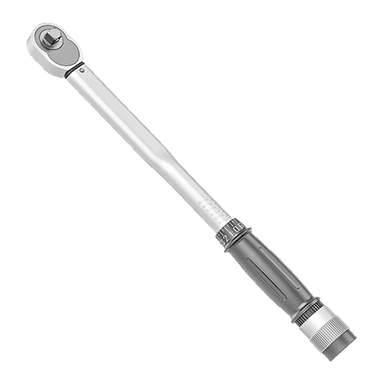
- Torque wrench inch-pound range
- Flat-blade screwdriver
- OBD2 scan tool
- Safety glasses
- Nitrile gloves
🔩 Required Parts
HowToo sells all the parts you need for this repair:
- Ignition coil - Qty: 1-4
- Dielectric grease - Qty: 1 small tube
Tip: Replace only the failed coil unless all coils are original and high-mileage.
📋 Before You Begin
- Park your Highlander on level ground and set the parking brake.
- Turn the ignition OFF and remove the key from the vehicle.
- Let the engine cool for at least 30 minutes if it was recently driven.
- Use an OBD2 scan tool to read misfire codes before removing parts. Codes like P0301, P0302, P0303, or P0304 point to the cylinder number.
- A cylinder is one of the engine’s combustion chambers. On this 2.7L engine, there are four cylinders in a straight line.
- Standing at the front bumper looking at the engine, cylinder 1 is on the passenger side of the engine, then 2, 3, and 4 toward the driver side.
🔨 Step-by-Step Instructions
Follow these steps in order:
Step 1: Disconnect the Battery
- Use a 10mm wrench to loosen the negative battery cable clamp.
- Lift the negative cable off the battery post and move it aside so it cannot touch the battery.
- Black cable is negative.
Step 2: Remove the Engine Cover
- Use both hands to lift the plastic engine cover straight upward.
- The cover is held by rubber grommets, which are soft rubber holders that pop on and off.
- Set the cover somewhere safe.
Step 3: Locate the Ignition Coils
- Look at the top of the engine valve cover.
- You will see four ignition coils in a row, each with one electrical connector and one 10mm retaining bolt.
- Use the OBD2 scan tool misfire code to identify the correct cylinder if replacing only one coil.
Step 4: Unplug the Coil Connector
- Press the release tab on the ignition coil connector with your thumb.
- If the tab is stiff, use a flat-blade screwdriver gently to press the tab while pulling the connector straight back.
- Do not pry hard because older Toyota connectors can become brittle.
- Gentle pressure prevents broken clips.
Step 5: Remove the Coil Retaining Bolt
- Use a 10mm socket, 3-inch extension, and 3/8-inch drive ratchet to remove the coil bolt.
- Place the bolt somewhere safe so it does not fall into the engine bay.
Step 6: Remove the Ignition Coil
- Twist the ignition coil gently left and right by hand.
- Pull the coil straight upward out of the spark plug tube.
- The spark plug tube is the deep well where the spark plug sits.
- Check the rubber coil boot for oil, cracking, burning, or moisture.
Step 7: Prepare the New Ignition Coil
- Apply a very small amount of dielectric grease inside the end of the rubber coil boot.
- Dielectric grease is a non-conductive grease that helps seal out moisture and prevents the rubber boot from sticking.
- Do not fill the boot with grease; use only a thin film.
Step 8: Install the New Ignition Coil
- Push the new ignition coil straight down into the spark plug tube by hand.
- You should feel the coil boot seat onto the spark plug.
- Line up the bolt hole with the valve cover mounting point.
Step 9: Tighten the Coil Bolt
- Start the 10mm bolt by hand first to avoid cross-threading.
- Use a 10mm socket, 3-inch extension, and torque wrench inch-pound range to tighten the bolt.
- Torque to 10 Nm (89 in-lbs)
- Do not overtighten; the valve cover threads can be damaged.
Step 10: Reconnect the Coil Connector
- Push the electrical connector onto the new ignition coil until it clicks.
- Lightly tug the connector by hand to confirm it is locked.
Step 11: Repeat for Any Other Coils
- If replacing more than one coil, repeat Steps 4-10 for each coil.
- Use the 10mm socket, 3-inch extension, and torque wrench inch-pound range for each coil bolt.
- Torque each coil bolt to 10 Nm (89 in-lbs)
Step 12: Reinstall the Engine Cover
- Align the plastic engine cover with the rubber grommet posts.
- Press straight down by hand until the cover seats securely.
Step 13: Reconnect the Battery
- Place the negative battery cable back onto the battery post.
- Use a 10mm wrench to snug the clamp.
- Do not overtighten the battery clamp.
Step 14: Clear Codes and Start the Engine
- Use the OBD2 scan tool to clear the check engine light codes.
- Start the engine and let it idle.
- Listen for smooth idle and confirm there is no shaking or misfire.
✅ After Repair
- ✅ Let the engine idle for 2-3 minutes and make sure it runs smoothly.
- ✅ Take a short test drive with gentle acceleration.
- ✅ Recheck for codes with the OBD2 scan tool after the test drive.
- ✅ If the same cylinder misfire returns, inspect the spark plug, fuel injector, wiring, or engine compression next.
- ✅ If multiple random misfire codes remain, check for vacuum leaks or fuel delivery issues.
💰 DIY vs Shop Cost
Shop Cost: $180-$550 per coil, depending on diagnosis and parts markup
DIY Cost: $45-$140 per coil, parts only
You Save: $100-$400 by doing it yourself!
Shop labor rates vary but typically run $100-$150/hour. This repair takes a shop approximately 0.5-1.0 hour.
🎯 Ready to get started?
HowToo makes it easy: same-day/2-day shipping on every part, plus all the tools and specialty tools you need! Check out the parts and tools sections below to add everything to your cart.