














How to Replace Ignition Coils on a 2013 Nissan Altima (Misfire & Rough Idle Fix)
Step-by-step DIY instructions with tools, parts list, safety tips, and ignition coil torque specs for 2007, 2008, 2009, 2010, 2011, 2012, 2013, 2014, 2015, 2016, 2017, 2018
How to Replace Ignition Coils on a 2013 Nissan Altima (Misfire & Rough Idle Fix)
Step-by-step DIY instructions with tools, parts list, safety tips, and ignition coil torque specs for 2007, 2008, 2009, 2010, 2011, 2012, 2013, 2014, 2015, 2016, 2017, 2018


🔧 Altima - Ignition Coil Replacement
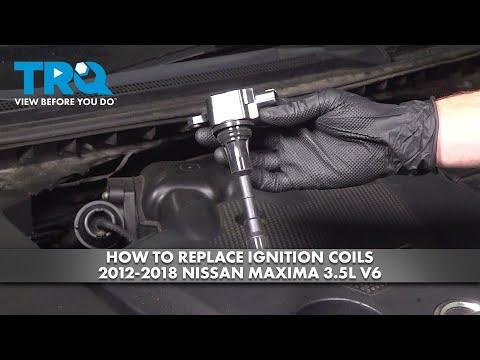
Your Altima uses one ignition coil per cylinder (6 total). A bad coil can cause a misfire, rough idle, flashing check-engine light, and loss of power. The front 3 coils are easy to access; the rear 3 coils usually require removing the upper intake manifold.
Difficulty Level: Intermediate | Estimated Time: 0.5–1.5 hours (front bank) / 2–4 hours (all 6)
⚠️ Safety & Precautions
- ⚠️ Let the engine cool fully before starting.
- ⚠️ Disconnect the negative battery cable to prevent electrical damage.
- ⚠️ If the check-engine light is flashing, avoid driving (catalytic converter damage risk).
- ⚠️ Keep dirt out of the spark plug tubes (blow out debris before removing coils).
🔧 Required Tools
You'll need the following tools for this repair:
- 10mm socket
- 1/4" ratchet
- 3" extension (1/4")
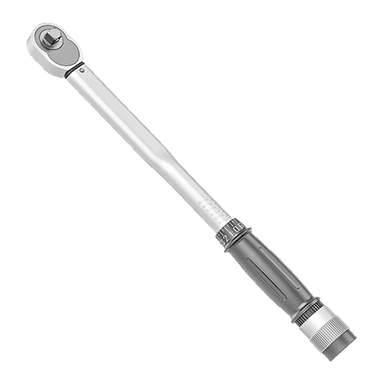
- Torque wrench (inch-pound or low-range Nm)
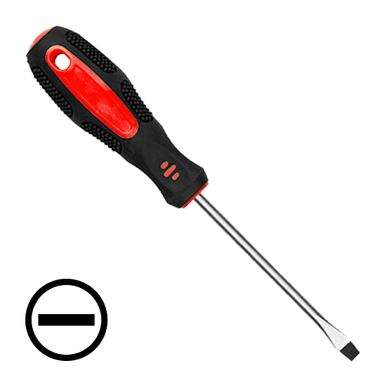
- Flathead screwdriver
- Needle-nose pliers
- Trim clip tool
- Shop vacuum
- Compressed air blow gun
- Work light
- Nitrile gloves
- Safety glasses
🔩 Required Parts
HowToo sells all the parts you need for this repair:
- Ignition coil - Qty: 1–6
- Upper intake manifold gasket set - Qty: 1 (only if replacing rear-bank coils)
- Dielectric grease - Qty: 1 (optional)
📋 Before You Begin
- Park on level ground and set the parking brake.
- Open the hood and let the engine cool completely.
- Use a 10mm socket to disconnect the negative battery cable and isolate it so it can’t spring back.
- If you have a scan tool, note any misfire codes (P0301–P0306) so you know which cylinder is acting up.
🔨 Step-by-Step Instructions
Follow these steps in order:
Step 1: Remove the engine cover (if equipped)
- Remove any plastic fasteners with a trim clip tool.
- Lift the cover off and set it aside.
Step 2: Identify whether you’re doing front-bank coils or all coils
- The front bank is closest to the radiator (easier access).
- The rear bank is closest to the firewall (usually requires upper intake manifold removal).
- If you’re unsure, start with the front bank.
Step 3: Clean around the coil area
- Use a shop vacuum to remove loose dirt around the coils.
- Use compressed air blow gun to blow debris away from the spark plug tubes.
Step 4: Unplug the ignition coil electrical connector
- Press the connector lock tab and pull straight back.
- If it’s stuck, gently help it with a flathead screwdriver (do not pry hard on the wires).
Step 5: Remove the coil hold-down bolt
- Use a 10mm socket, 1/4" ratchet, and 3" extension to remove the bolt.
- Set the bolt somewhere safe (dropping it can be a headache).
Step 6: Remove the ignition coil
- Twist the coil slightly by hand, then pull it straight up and out.
- If it’s stubborn, keep twisting while pulling—don’t use excessive force.
Step 7: Install the new ignition coil
- If using dielectric grease: apply a tiny smear inside the rubber boot. (Dielectric grease is a non-conductive grease that helps prevent moisture and makes future removal easier.)
- Push the new coil straight down until it fully seats on the spark plug.
Step 8: Reinstall the coil bolt and torque it
- Thread the bolt by hand first to avoid cross-threading.
- Tighten with a 10mm socket and finish with a torque wrench.
- Torque to 7.8 Nm (69 in-lbs)
Step 9: Reconnect the electrical connector
- Push the connector on until it clicks.
- Give it a gentle tug to confirm it’s locked.
Step 10: Repeat for the other accessible coils (front bank)
- Repeat Steps 3–9 for each front-bank cylinder you’re replacing.
Step 11: Rear-bank coils (only if you’re doing all 6)
- Accessing the rear bank typically requires removing the upper intake manifold.
- If you want, tell me: Are you replacing all 6 coils or only the bad one(s)? I’ll give you the exact rear-bank access steps next, including gasket handling and reassembly checks.
✅ After Repair
- Reconnect the negative battery cable using a 10mm socket.
- Start the engine and let it idle for 1–2 minutes. It should run smooth.
- If you had a check-engine light, clear codes with a scan tool (if available) and recheck for returning misfire codes.
- Do a short test drive and confirm there’s no hesitation under light acceleration.
💰 DIY vs Shop Cost
Shop Cost: $350-$900 (parts + labor)
DIY Cost: $45-$420 (parts only, depending on 1 vs 6 coils)
You Save: $200-$500 by doing it yourself!
Shop labor rates vary but typically run $100-$150/hour. This repair takes a shop approximately 1-3 hours.
🎯 Ready to get started?
HowToo makes it easy: same-day/2-day shipping on every part, plus all the tools and specialty tools you need! Check out the parts and tools sections below to add everything to your cart.