













How to Replace Ignition Coils on a 2008-2023 Dodge Challenger (Fix Misfires & Rough Idle) (Engine: V8 6.4L)
Step-by-step coil-on-plug replacement with tools list, parts, safety tips, and 8 Nm (71 in-lb) torque spec
How to Replace Ignition Coils on a 2008-2023 Dodge Challenger (Fix Misfires & Rough Idle) (Engine: V8 6.4L)
Step-by-step coil-on-plug replacement with tools list, parts, safety tips, and 8 Nm (71 in-lb) torque spec for 2008, 2009, 2010


🔧 Challenger - Ignition Coil Replacement
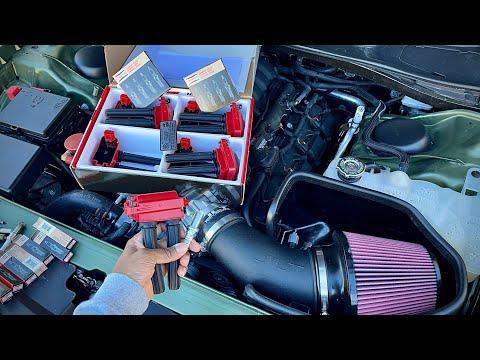
Your Challenger uses coil-on-plug ignition coils (one coil per cylinder) mounted on top of the valve covers. Replacing a bad coil restores a strong spark and can fix misfires, rough idle, and flashing check-engine lights.
Difficulty Level: Beginner | Estimated Time: 1.0–2.0 hours
⚠️ Safety & Precautions
- ⚠️ Work on a cool engine; coils sit near hot parts.
- ⚠️ Disconnect the negative battery cable to prevent accidental shorts.
- ⚠️ Don’t pull on wiring; release connector locks first.
- ⚠️ If the check-engine light is flashing, avoid driving until fixed (can damage the catalytic converters).
🔧 Required Tools
You'll need the following tools for this repair:
- 10mm socket
- 1/4" ratchet
- 3" socket extension
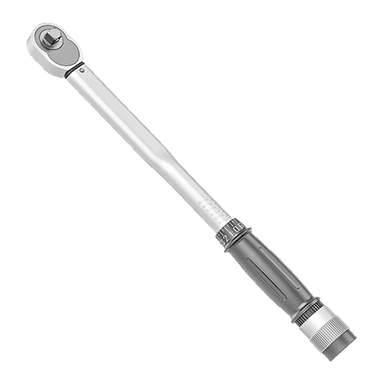
- Torque wrench (inch-pound or low Nm)
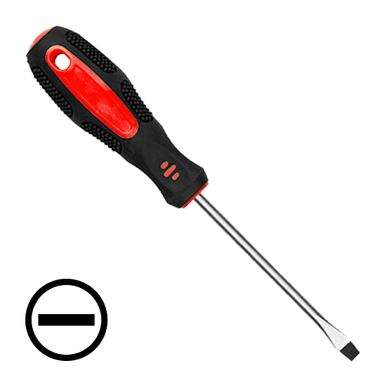
- Small flathead screwdriver
- Trim removal tool
- Nitrile gloves
- Safety glasses
🔩 Required Parts
HowToo sells all the parts you need for this repair:
- Ignition coil - Qty: 1 (or Qty: 8 if replacing all)
- Dielectric grease - Qty: 1
📋 Before You Begin
- Park on level ground, put the transmission in 1st gear, and set the parking brake.
- Let the engine cool fully.
- Open the trunk and disconnect the battery: use a 10mm socket to remove the negative terminal (black). Tuck it aside so it can’t spring back.
- Tip: Replace one coil at a time.
🔨 Step-by-Step Instructions
Follow these steps in order:
Step 1: Remove the engine cover (if equipped)
- Grasp the cover and pull upward to release the rubber grommets. Use a trim removal tool if it’s tight.
- Set the cover aside where it won’t get scratched.
Step 2: Locate the coil you’re replacing
- Each coil sits directly on top of a spark plug along the valve covers (4 per side).
- Identify the coil by cylinder location if you’re tracking a misfire code (example: P0302 = cylinder 2).
Step 3: Unplug the coil electrical connector
- Use a small flathead screwdriver to gently lift the connector’s lock tab (if present), then press the release and pull the connector straight back.
- Tip: Wiggle the connector—don’t yank the wires.
Step 4: Remove the coil retaining bolt
- Use a 10mm socket, 3" socket extension, and 1/4" ratchet to remove the coil mounting bolt.
- Keep the bolt safe; you’ll reuse it.
Step 5: Remove the ignition coil
- Pull the coil straight up while gently twisting.
- If it feels stuck, keep twisting and pulling upward—don’t pry hard on the valve cover.
Step 6: Prep and install the new coil
- Put a very small amount of dielectric grease inside the new coil boot. (Dielectric grease is a silicone grease that helps seal out moisture and makes future removal easier.)
- Push the coil straight down onto the spark plug until it fully seats.
Step 7: Reinstall and torque the coil bolt
- Start the bolt by hand to avoid cross-threading.
- Use a torque wrench and 10mm socket: Torque to 8 Nm (71 in-lb).
Step 8: Reconnect the electrical connector
- Push the connector on until it clicks/locks.
- Give it a gentle tug to confirm it’s latched.
Step 9: Repeat for any other coils (if replacing more than one)
- Repeat Steps 2–8 for each additional coil.
Step 10: Reinstall the engine cover and reconnect the battery
- Press the engine cover back onto its grommets.
- Reconnect the negative battery cable using a 10mm socket. Snug it firmly (do not overtighten).
✅ After Repair
- Start the engine and let it idle for 1–2 minutes. It should run smooth.
- Check for a check-engine light and listen for a steady idle.
- If you have a scan tool, clear stored misfire codes and confirm none return after a short test drive.
- If it still misfires, the issue may be the spark plug, injector, or wiring at that cylinder.
💰 DIY vs Shop Cost
Shop Cost: $180–$450 (parts + labor, depends on how many coils)
DIY Cost: $50–$480 (parts only, depending on 1 vs all 8)
You Save: $130–$250+ by doing it yourself!
Shop labor rates vary but typically run $100-$150/hour. This repair takes a shop approximately 0.8–1.5 hours.
🎯 Ready to get started?
HowToo makes it easy: same-day/2-day shipping on every part, plus all the tools and specialty tools you need! Check out the parts and tools sections below to add everything to your cart.
Guide for Ignition Coil replace for these Dodge vehicles
| Year Make Model | Sub Model | Engine | Body Style |
|---|---|---|---|
| 2023 Dodge Challenger | - | V8 5.7L | - |
| 2023 Dodge Challenger | - | V8 6.4L | - |
| 2023 Dodge Challenger | - | V8 6.2L | - |
| 2022 Dodge Challenger | - | V8 5.7L | - |
| 2022 Dodge Challenger | - | V8 6.4L | - |
| 2022 Dodge Challenger | - | V8 6.2L | - |
| 2021 Dodge Challenger | - | V8 5.7L | - |
| 2021 Dodge Challenger | - | V8 6.4L | - |
| 2021 Dodge Challenger | - | V8 6.2L | - |
| 2020 Dodge Challenger | - | V8 5.7L | - |
| 2020 Dodge Challenger | - | V8 6.4L | - |
| 2020 Dodge Challenger | - | V8 6.2L | - |
| 2019 Dodge Challenger | - | V8 5.7L | - |
| 2019 Dodge Challenger | - | V8 6.4L | - |
| 2019 Dodge Challenger | - | V8 6.2L | - |
| 2018 Dodge Challenger | - | V8 5.7L | - |
| 2018 Dodge Challenger | - | V8 6.4L | - |
| 2018 Dodge Challenger | - | V8 6.2L | - |
| 2017 Dodge Challenger | - | V8 5.7L | - |
| 2017 Dodge Challenger | - | V8 6.4L | - |
| 2017 Dodge Challenger | - | V8 6.2L | - |
| 2016 Dodge Challenger | - | V8 5.7L | - |
| 2016 Dodge Challenger | - | V8 6.4L | - |
| 2016 Dodge Challenger | - | V8 6.2L | - |
| 2015 Dodge Challenger | - | V8 5.7L | - |
| 2015 Dodge Challenger | - | V8 6.4L | - |
| 2015 Dodge Challenger | - | V8 6.2L | - |
| 2014 Dodge Challenger | - | V8 5.7L | - |
| 2014 Dodge Challenger | - | V8 6.4L | - |
| 2013 Dodge Challenger | - | V8 5.7L | - |
| 2013 Dodge Challenger | - | V8 6.4L | - |
| 2012 Dodge Challenger | - | V8 5.7L | - |
| 2012 Dodge Challenger | - | V8 6.4L | - |
| 2011 Dodge Challenger | - | V8 5.7L | - |
| 2011 Dodge Challenger | - | V8 6.4L | - |
| 2010 Dodge Challenger | - | V8 6.1L | - |
| 2010 Dodge Challenger | - | V8 5.7L | - |
| 2009 Dodge Challenger | - | V8 6.1L | - |
| 2009 Dodge Challenger | - | V8 5.7L | - |
| 2008 Dodge Challenger | - | V8 6.1L | - |