









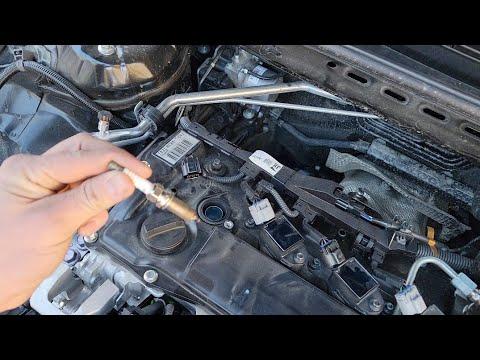




How to Replace Ignition Coils on a 2007-2024 Toyota Camry V6 (Engine: Inline 4 2.5L)
Step-by-step DIY ignition coil replacement with tools, parts list, torque specs, safety tips, and cost savings
How to Replace Ignition Coils on a 2007-2024 Toyota Camry V6 (Engine: Inline 4 2.5L)
Step-by-step DIY ignition coil replacement with tools, parts list, torque specs, safety tips, and cost savings for 2007, 2008, 2009, 2010, 2011, 2012, 2013, 2014, 2015, 2016, 2017, 2018, 2019, 2020, 2021, 2022, 2023, 2024


🔧 Camry - Ignition Coil Replacement
You’ll be removing the plastic engine cover, unplugging each ignition coil, and swapping it for a new one. On your V6, the front three coils are easy; the rear three require lifting the upper intake manifold for access.
Difficulty Level: Intermediate | Estimated Time: 2–3 hours
⚠️ Safety & Precautions
- ⚠️ Work on a completely cool engine to avoid burns.
- ⚠️ Disconnect the negative battery terminal before touching ignition parts to prevent short circuits.
- ⚠️ Keep metal tools away from the battery positive terminal to avoid sparks.
- ⚠️ When the intake manifold is off, do not drop anything into the intake ports.
- ⚠️ Never pull coils by the wiring; always pull on the coil body.
🔧 Required Tools
You'll need the following tools for this repair:
- 🧰 10mm socket
- 🧰 12mm socket
- 🧰 14mm socket
- 🧰 1/4" drive ratchet
- 🧰 3/8" drive ratchet
- 🧰 3" socket extension
- 🧰 6" socket extension
- 🧰 Torque wrench (inch-lb, 50–200 in-lb range)
- 🧰 Torque wrench (ft-lb, 10–50 ft-lb range)
- 🧰 Flat trim tool or flathead screwdriver (small)
- 🧰 Needle-nose pliers
- 🧰 Magnetic pickup tool
- 🧰 Fender cover or clean towel
- 🧰 Shop rags
- 🧰 Safety glasses
- 🧰 Mechanic gloves
🔩 Required Parts
HowToo sells all the parts you need for this repair:
- 🔩 Ignition coil set (V6, all 6 cylinders) - Qty: 6
- 🔩 Upper intake manifold gasket set - Qty: 1
- 🔩 Throttle body gasket - Qty: 1
- 🔩 Dielectric grease for ignition components - Qty: 1 small tube
- 🔩 Shop towels - Qty: 1 pack
- 🔩 Masking tape and marker (for labeling connectors) - Qty: 1
📋 Before You Begin
- Park the Camry on level ground, shift to Park, and set the parking brake.
- Open the hood and use the hood prop securely.
- Disconnect the negative battery terminal using a 10mm socket and move the cable aside.
- Clear the area around the engine so you don’t knock tools or parts into the engine bay.
🔨 Step-by-Step Instructions
Follow these steps in order:
Step 1: Remove engine cover
- Put on safety glasses and mechanic gloves.
- Lift the front edge of the plastic engine cover by hand; it is held by rubber grommets.
- Gently pull upward until the cover pops off, then set it aside.
Step 2: Identify front and rear cylinder banks
- The three coils closest to the radiator are the front bank (Bank 2).
- The three coils near the firewall (back of engine bay) are the rear bank (Bank 1) and will require intake manifold removal to access.
- Use masking tape and marker to label coil connectors if you want extra clarity.
Step 3: Replace front bank ignition coils (easy side)
- Working on one coil at a time, press the small plastic tab on the coil connector by hand; if tight, use a flathead screwdriver very gently to help lift the tab. An ignition coil is the small unit on top of each spark plug with a plug on it.
- Pull the connector straight off the coil body; do not pull on the wires.
- Use a 10mm socket with 1/4" ratchet to remove the single bolt holding the coil.
- Twist the coil gently and pull it straight up to remove.
- Apply a tiny smear of dielectric grease inside the new coil boot opening. Use very small amount only.
- Install the new coil straight down onto the spark plug until fully seated.
- Install the coil bolt by hand, then tighten with the 10mm socket and torque wrench to 9 Nm (80 in-lb, about 7 ft-lb).
- Reconnect the electrical connector until it clicks.
- Repeat this process for the remaining two front-bank coils.
Step 4: Prepare to remove upper intake manifold for rear coils
- Place a fender cover or towel over the front bumper to protect paint.
- Take a picture of the top of the engine and intake area with your phone for reference later. Photos help with reassembly.
- Label any vacuum hoses or electrical connectors you will unplug using masking tape and marker.
Step 5: Disconnect hoses and connectors from upper intake manifold
- Unplug the electrical connector on the throttle body using your fingers or a flathead screwdriver gently on the lock tab.
- Disconnect any visible small vacuum hoses attached to the manifold by hand; if tight, use needle-nose pliers carefully.
- Move any wiring harness clips from the manifold using a flat trim tool so the harness can flex away.
Step 6: Remove throttle body from intake (leave coolant lines attached)
- Use a 10mm socket with 1/4" ratchet to remove the four bolts holding the throttle body to the upper intake manifold.
- Carefully pull the throttle body slightly away and rest it to the side on a shop rag without kinking any hoses.
- Keep the opening covered with a shop rag to prevent debris entering.
Step 7: Remove upper intake manifold
- Use a 12mm socket with 3/8" ratchet and appropriate extensions to remove the manifold mounting bolts and any support bracket bolts at the rear.
- Keep track of all bolts; place them in a small tray or on a magnet.
- Once all bolts are out, gently lift the manifold straight up. If it feels stuck, wiggle slightly—do not force or pry hard.
- Immediately place clean shop rags into each exposed lower intake port in the engine to block anything from falling in. Count rags so none stay inside.
Step 8: Replace rear bank ignition coils
- Now you can see the three rear coils along the back bank.
- As with the front, work one coil at a time.
- Press the connector tab and unplug the connector by hand.
- Use a 10mm socket with 1/4" ratchet to remove the coil bolt.
- Twist and pull the coil straight up.
- Apply a tiny bit of dielectric grease inside the new coil boot.
- Install the new coil onto the spark plug and push down until seated.
- Install the 10mm bolt and tighten with the torque wrench to 9 Nm (80 in-lb, about 7 ft-lb).
- Reconnect the coil connector until it clicks.
- Repeat for the remaining two rear-bank coils.
Step 9: Install new intake manifold gaskets
- Remove the old upper intake manifold gaskets from the manifold using your fingers or a flathead screwdriver gently if they are stuck.
- Wipe the gasket surfaces on the manifold and engine side lightly with a shop rag; do not scratch them.
- Install the new upper intake manifold gaskets in the same positions as the old ones. They should sit flat and secure.
- Remove the shop rags from the intake ports and count them to be sure none are left inside.
Step 10: Reinstall upper intake manifold
- Carefully lower the manifold onto the engine, making sure it aligns with the bolt holes and gaskets stay in place.
- Install all manifold bolts finger-tight using a 12mm socket and 3/8" ratchet.
- Then use a torque wrench with 12mm socket to tighten the manifold bolts in a crisscross pattern to 25 Nm (18 ft-lb).
- Reinstall any rear support bracket bolts using a 12mm socket and tighten to 25 Nm (18 ft-lb).
Step 11: Reinstall throttle body and hoses
- Remove the old throttle body gasket from the manifold and install the new gasket in its place.
- Position the throttle body back onto the manifold.
- Install the four throttle body bolts finger-tight using a 10mm socket.
- Torque the throttle body bolts evenly with a torque wrench and 10mm socket to 10 Nm (89 in-lb).
- Reconnect the electrical connector to the throttle body until it clicks.
- Reconnect all previously removed vacuum hoses and wiring clips by hand or with needle-nose pliers if needed.
- Double-check your earlier photo to confirm everything is back where it was.
Step 12: Reinstall engine cover and reconnect battery
- Place the engine cover back over the top of the engine, aligning the cover pegs with the rubber grommets, then push down by hand until it clicks in.
- Reconnect the negative battery cable using a 10mm socket and tighten to 5 Nm (44 in-lb)—snug, not overly tight.
✅ After Repair
- Start the engine and let it idle. It should run smoothly without misfires or shaking.
- Watch the dashboard for any check engine light. If it was on before, it may clear after a few drive cycles; if it stays on, a scan tool can read and clear codes.
- Listen for any hissing sounds around the intake area that could indicate a vacuum leak.
- Take a short, gentle test drive: check for smooth acceleration and no hesitation.
- After the drive, recheck around the throttle body and manifold for anything loose.
💰 DIY vs Shop Cost
Shop Cost: $600–$900 (parts + labor)
DIY Cost: $220–$450 (parts only)
You Save: $380–$450 by doing it yourself!
Shop labor rates vary but typically run $100–$150/hour. This repair takes a shop approximately 1.5–2.0 hours.
🎯 Ready to get started?
HowToo makes it easy: same-day/2-day shipping on every part, plus all the tools and specialty tools you need! Check out the parts and tools sections above to add everything to your cart.