









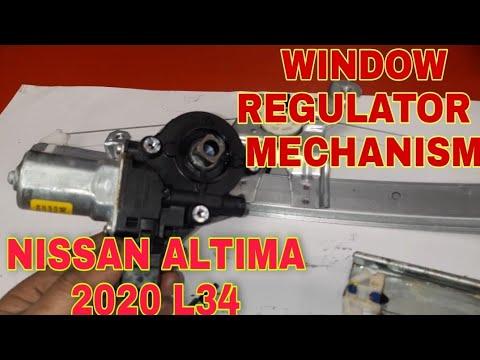





How to Replace Front Window Regulators on a 2020 Nissan Altima
Step-by-step DIY door panel removal, regulator install, tools, parts list, and torque specs
How to Replace Front Window Regulators on a 2020 Nissan Altima
Step-by-step DIY door panel removal, regulator install, tools, parts list, and torque specs


🔧 Altima - Front Window Regulator Replacement
You’ll be removing the front door panel, disconnecting the glass from the regulator, then swapping in a new regulator and reassembling everything. This fixes issues like slow, stuck, or noisy windows when the motor and cables are worn or damaged.
Difficulty Level: Intermediate | Estimated Time: 1.5–2.5 hours per door
⚠️ Safety & Precautions
- ⚠️ Disconnect the negative battery terminal before unplugging window switches or motor connectors to avoid short circuits.
- ⚠️ Wear safety glasses and gloves; the inner door edges and broken regulator cables can be sharp.
- ⚠️ Support the glass securely with tape before loosening the glass-to-regulator fasteners so it can’t drop and shatter.
- ⚠️ Do not slam the door with the glass unsecured; it can crack or come off its track.
- ⚠️ Keep all screws and clips organized; lost or loose fasteners can cause rattles and poor door fit.
🔧 Required Tools
You'll need the following tools for this repair:
- 🔧 10mm socket
- 🔧 8mm socket
- 🔧 1/4" drive ratchet
- 🔧 1/4" drive extension (3–6")
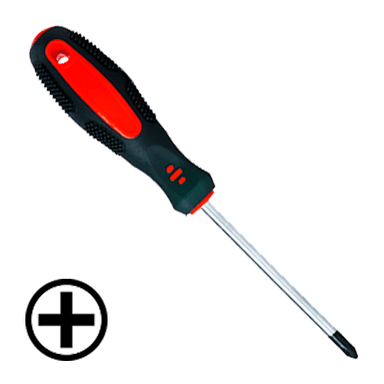
- 🔧 Phillips #2 screwdriver
- 🔧 Flathead screwdriver (small)
- 🔧 Plastic trim removal tool set
- 🔧 Panel clip removal tool
- 🔧 Needle-nose pliers
- 🔧 Torque wrench (inch‑pound, 30–100 in‑lb range)
- 🔧 Torque wrench (ft‑lb, 5–20 ft‑lb range)
- 🔧 Razor blade or plastic scraper
- 🔧 Painter’s tape (wide)
- 🔧 Work light or flashlight
- 🔧 Mechanic’s gloves
- 🔧 Safety glasses
🔩 Required Parts
HowToo sells all the parts you need for this repair:
- 🔩 Front window regulator with motor (left or right, as needed) - Qty: 1
- 🔩 Front door panel clips - Qty: 8–12 (recommended; some will break)
- 🔩 Front door vapor barrier butyl tape/sealer - Qty: 1 roll
- 🔩 Plastic push clips for inner door trim (if damaged) - Qty: 2–4
- 🔩 Dielectric grease for electrical connectors - Qty: small tube
- 🔩 Glass channel rubber lubricant (silicone spray) - Qty: 1
📋 Before You Begin
- Park the Altima on level ground, set the parking brake, and turn the ignition off.
- Lower the affected window to about halfway if it still moves; this makes it easier to reach the glass bolts later.
- Open the affected front door fully so you have room to work.
- Disconnect the negative battery cable using a 10mm socket and move it aside so it can’t touch the terminal.
- Have a clean towel or blanket ready to rest the door panel on once removed.
🔨 Step-by-Step Instructions
Follow these steps in order:
Step 1: Remove trim covers and visible screws
- Use the plastic trim removal tool to gently pry off the small trim cap behind the interior door handle; it hides a screw.
- Use the plastic trim removal tool to lift the window switch panel from the armrest; start at the rear edge and work forward.
- Disconnect the window switch electrical connector by pressing the tab with your flathead screwdriver if needed and pulling gently.
- Use a Phillips #2 screwdriver to remove the screw behind the door handle and any screws revealed under the switch panel.
- Set all screws in a small tray so they don’t get lost.
Step 2: Release the door panel clips
- Starting at the bottom edge of the door, slide a plastic trim removal tool between the door panel and metal door shell.
- Pry gently to pop the first clip; you will hear it release.
- Work your way around the sides and bottom, using the panel clip removal tool to pop each clip free.
- Once all clips are loose, lift the door panel straight up and off the door at the window sill.
- Support the panel with one hand and disconnect any remaining connectors (courtesy light, tweeter, etc.) using your needle-nose pliers only if needed for hard-to-reach tabs.
Step 3: Remove the door panel completely
- Carefully unhook the interior handle cable: note its routing and unclip the cable end from the handle using your needle-nose pliers if fingers aren’t enough.
- Set the door panel on a towel or blanket to avoid damage.
- Take a photo of cable and connector layout for reassembly.
Step 4: Remove the vapor barrier
- The vapor barrier is the plastic sheet glued to the metal door.
- Use your razor blade or plastic scraper to gently cut and peel the butyl sealer along the edge of the barrier.
- Peel the barrier back slowly, keeping it in one piece; don’t tear it.
- Stick it temporarily to the door panel or fold it upward and tape it out of the way using painter’s tape.
Step 5: Secure the glass
- From outside the door, firmly press the glass up into the fully closed position by hand.
- Use several strips of painter’s tape from the outside of the glass, over the top of the door frame, and down the inside of the glass to hold it in place.
- Use at least 3–4 vertical strips for safety.
Step 6: Position the regulator to access the glass clamps
- Reconnect the window switch temporarily by plugging it back into the door harness; leave the panel off.
- Reconnect the negative battery cable using the 10mm socket.
- Turn the ignition to ON and use the switch to move the window until the glass clamp bolts appear in the access holes (if the window still moves).
- Turn ignition OFF and disconnect the negative battery cable again with the 10mm socket.
- If the window does not move, you may need to manually rotate the regulator or carefully loosen the motor with a 10mm socket to adjust position.
Step 7: Detach the glass from the regulator
- Locate the two glass clamp bolts through the access openings in the door.
- Use a 10mm socket and 1/4" ratchet to remove or loosen these bolts enough for the glass to lift free.
- Carefully lift the glass fully up into the frame by hand.
- Add extra painter’s tape to secure the glass firmly so it cannot slide down.
Step 8: Disconnect the regulator and motor wiring
- Find the window motor electrical connector on the regulator assembly.
- Press the locking tab and pull the plug out; use your flathead screwdriver gently if the tab is stubborn.
- If present, release any wire clips attached to the door using the panel clip removal tool.
Step 9: Remove the regulator and motor assembly
- Locate and remove the regulator mounting bolts (usually 4–6) using a 10mm socket and 1/4" ratchet.
- Remove the window motor bolts using the same 10mm socket if the motor is bolted separately.
- Support the regulator with one hand as you remove the last bolt so it doesn’t drop.
- Carefully maneuver the regulator and motor assembly out through the large access opening in the door.
Step 10: Prepare and install the new regulator
- Compare the old and new regulators to ensure the mounting points and wiring connector match.
- If your new regulator reuses the original motor, transfer the motor from the old regulator using a 10mm socket, then install it on the new regulator.
- Apply a small amount of dielectric grease to the motor connector pins.
- Feed the new regulator assembly into the door and align it with the mounting holes.
- Install all regulator and motor bolts finger‑tight using the 10mm socket.
- Then torque each regulator and motor bolt to 8 N·m (71 in‑lb) using the inch‑pound torque wrench.
Step 11: Reattach the glass to the regulator
- Reconnect the motor electrical connector by hand until it clicks.
- Reconnect the negative battery cable with the 10mm socket again.
- Turn ignition ON and, while holding the glass through the top of the door frame, use the switch to move the regulator so the clamps line up with the glass mounting points.
- Turn ignition OFF and disconnect the negative battery cable again using the 10mm socket.
- Remove the painter’s tape carefully while holding the glass.
- Seat the glass into the regulator clamps fully.
- Install the glass clamp bolts with a 10mm socket and then torque them to 8 N·m (71 in‑lb) using the inch‑pound torque wrench.
Step 12: Test the window operation (before reassembly)
- Reconnect the negative battery cable with the 10mm socket.
- Turn ignition ON and use the window switch to move the window up and down several times.
- Listen for grinding or clicking; the movement should be smooth and even.
- Confirm the glass seats fully closed and fully open without binding.
- Turn ignition OFF once satisfied.
Step 13: Initialize the auto-up/auto-down function
- Turn ignition ON.
- Fully lower the window using the switch and hold the switch in the DOWN position for 3–5 seconds after it reaches the bottom.
- Then fully raise the window and hold the switch in the UP position for 3–5 seconds after it reaches the top.
- Test the one‑touch auto function: briefly press down or pull up; the window should travel fully on its own.
Step 14: Reinstall the vapor barrier
- Turn ignition OFF and disconnect the negative battery cable again with the 10mm socket before working inside the door.
- Press the vapor barrier back into place along its original line.
- If old sealer is weak, add new butyl tape/sealer around the edge by hand.
- Use the razor blade or plastic scraper to trim any excess sealer.
Step 15: Reinstall the door panel
- Reconnect all electrical connectors (window switch harness, courtesy light, tweeter) by hand until they click.
- Reattach the interior handle cable in its original position; snap the cable end into place using your fingers or needle-nose pliers if needed.
- Hang the top of the door panel over the window sill and press down to seat it.
- Align all panel clips with their holes and press firmly around the edges to engage them; replace any broken clips with new ones by hand.
- Reinstall the screws using the Phillips #2 screwdriver and snug them to about 7 N·m (62 in‑lb) with the inch‑pound torque wrench if accessible.
- Reinstall the trim cap behind the handle and press the window switch panel back into the armrest by hand until it clicks.
Step 16: Final electrical check
- Reconnect the negative battery cable one last time using the 10mm socket.
- Turn ignition ON.
- Test all door functions: window switch (auto and manual), door lock switch, interior handle, and mirror switch if present.
- Make sure there are no rattles when closing the door gently.
✅ After Repair
- Start the engine and operate the window several times to confirm smooth, normal speed movement.
- Drive on a short, quiet road and listen for any new rattles or wind noise from the repaired door.
- If auto‑up or pinch protection seems off, repeat the initialization procedure in Step 13.
- Recheck all door screws and clips after a day of driving to ensure nothing loosened.
💰 DIY vs Shop Cost
Shop Cost: $350–$550 per front door (parts + labor)
DIY Cost: $120–$220 per front door (parts only)
You Save: ~$230–$330 per door by doing it yourself!
Shop labor rates vary but typically run $100–$150/hour. This repair takes a shop approximately 1.5–2.0 hours per door.
🎯 Ready to get started?
HowToo makes it easy: same-day/2-day shipping on every part, plus all the tools and specialty tools you need! Check out the parts and tools sections above to add everything to your cart.