














How to Replace Front Window Regulators on a 2015 Toyota Highlander
Step-by-step front door regulator guide with tools, parts, torque specs, and safety tips for 2014, 2015, 2016, 2017, 2018, 2019
How to Replace Front Window Regulators on a 2015 Toyota Highlander
Step-by-step front door regulator guide with tools, parts, torque specs, and safety tips for 2014, 2015, 2016, 2017, 2018, 2019


🔧 Highlander - Front Window Regulator Replacement
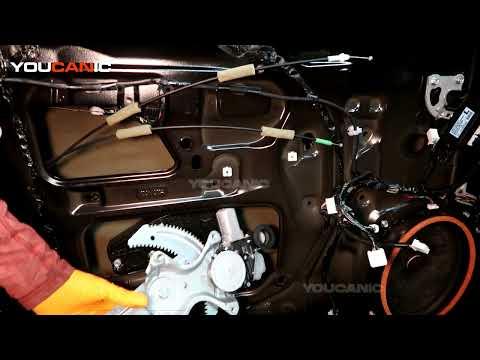
This repair replaces a failed front door window regulator, which is the scissor/cable mechanism that moves the glass up and down inside the door. On your Highlander, the front regulator is serviced from inside the door after removing the inner trim panel and carefully supporting the glass.
Difficulty Level: Intermediate | Estimated Time: 1.5-2.5 hours per door
⚠️ Safety & Precautions
- ⚠️ Disconnect the negative battery cable before unplugging door electrical connectors to reduce short-circuit risk.
- ⚠️ The front door contains a side-impact airbag area; do not probe yellow airbag connectors or turn the ignition on with airbag connectors unplugged.
- ⚠️ Support the window glass before unbolting the regulator. The glass can drop suddenly and break.
- ⚠️ Wear gloves and safety glasses. Door sheet metal edges can be sharp.
- ⚠️ Work on one front door at a time. The driver and passenger procedures are similar, but switch wiring differs.
🔧 Required Tools
You'll need the following tools for this repair:
- 10mm socket
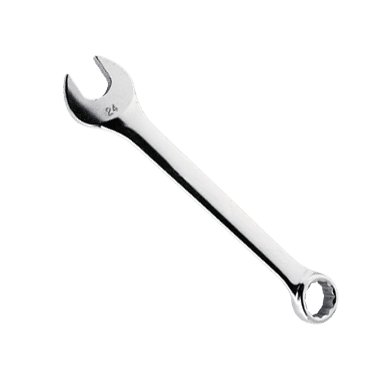
- 10mm wrench
- Ratchet handle 3/8-inch drive
- 6-inch extension 3/8-inch drive
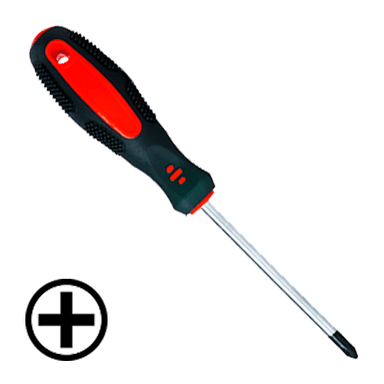
- Phillips #2 screwdriver
- Plastic trim removal tool set
- Small flat-blade screwdriver
- Painter’s tape 1-inch wide
- Pick tool set
- Torque wrench 1/4-inch drive
- Work light
- Mechanic gloves
- Safety glasses
🔩 Required Parts
HowToo sells all the parts you need for this repair:
- Front door window regulator assembly - Qty: 1 per door
- Front door window regulator with motor assembly - Qty: 1 per door if motor is weak or failed
- Door trim panel clips - Qty: As needed
- Butyl sealing tape - Qty: 1 roll if vapor barrier adhesive is damaged
📋 Before You Begin
- Park your Highlander on level ground, shift to Park, and set the parking brake.
- Lower the affected front window to about halfway if it still moves. This makes the glass bolts easier to reach.
- If the window will not move, you can still access the regulator, but you may need to gently move the glass by hand after loosening the regulator.
- Disconnect the negative battery cable with a 10mm wrench. Wait at least 90 seconds before working around door electrical connectors.
- A plastic trim tool is a non-metal pry tool that helps remove panels without scratching the door.
- Butyl sealing tape is sticky black sealant used to reseal the plastic moisture barrier inside the door.
🔨 Step-by-Step Instructions
Follow these steps in order:
Step 1: Remove the Front Door Switch Panel
- Use a plastic trim removal tool to gently pry up the power window switch panel from the armrest.
- Lift the panel just enough to access the wiring connectors underneath.
- Use a small flat-blade screwdriver to press the connector lock tabs, then unplug the connectors.
- Set the switch panel aside on a soft cloth.
- Tip: Pry slowly to avoid broken clips.
Step 2: Remove Door Trim Screws
- Use a small flat-blade screwdriver or pick tool to open the small screw covers in the door pull and inner handle area.
- Use a Phillips #2 screwdriver to remove the exposed screws.
- Keep the screws in a cup so they do not get lost.
Step 3: Remove the Front Door Trim Panel
- Start at the lower rear edge of the door panel with a plastic trim removal tool.
- Pop the trim clips loose one at a time around the bottom and sides of the panel.
- Lift the panel straight upward to unhook it from the top window ledge.
- Use a small flat-blade screwdriver to release any remaining electrical connectors.
- If equipped, disconnect the courtesy light connector using a small flat-blade screwdriver.
- Set the trim panel somewhere safe.
- Tip: Do not yank the panel outward.
Step 4: Disconnect the Inner Handle Cables
- Look behind the door panel at the inner handle cable assembly.
- Use your fingers or a small flat-blade screwdriver to swing the cable retainers out of their brackets.
- Lift each cable end out of the handle lever.
- Note the cable positions before removal so they go back in the same places.
Step 5: Peel Back the Moisture Barrier
- Use a plastic trim removal tool to carefully peel back the clear plastic moisture barrier from the door.
- Do not tear it. You will reuse it to keep water away from the trim panel.
- If the black sealant stretches, fold it back onto itself to keep it clean.
- Use butyl sealing tape later if the original sealant no longer sticks.
Step 6: Support the Window Glass
- Use painter’s tape 1-inch wide to tape the glass to the upper door frame.
- Run at least two long strips from the outside glass, over the top of the door frame, and down to the inside glass.
- If the glass is loose, hold it with one hand while applying the tape.
- Tip: Use extra tape. Glass is heavy.
Step 7: Loosen the Glass-to-Regulator Bolts
- Look through the door access holes to find the two bolts or clamp fasteners holding the glass to the regulator.
- Use a 10mm socket, 6-inch extension, and ratchet handle 3/8-inch drive to loosen the glass fasteners.
- Do not remove the glass from the door unless necessary.
- Once loose, slide the glass fully upward by hand and secure it again with more painter’s tape 1-inch wide.
Step 8: Unplug the Window Motor Connector
- Find the electrical connector on the window motor mounted to the regulator.
- Use a small flat-blade screwdriver to press the locking tab if it is tight.
- Unplug the connector and move the wiring aside.
Step 9: Remove the Regulator Assembly
- Use a 10mm socket, 6-inch extension, and ratchet handle 3/8-inch drive to remove the regulator mounting bolts.
- Support the regulator with one hand as the last bolt comes out.
- Guide the regulator and motor assembly out through the large door opening.
- If the regulator is stuck, rotate it slightly and remove it cable-side first.
Step 10: Transfer the Motor if Needed
- If your replacement regulator does not include a motor, remove the old motor using a 10mm socket or Phillips #2 screwdriver, depending on the fastener style.
- Install the motor onto the new regulator in the same position.
- Tighten the motor fasteners evenly with the same tool used for removal.
- Torque to 5.4 Nm (48 in-lbs) if using small motor screws/bolts.
Step 11: Install the New Regulator
- Feed the new regulator assembly into the door through the large access opening.
- Line up the mounting holes by hand first.
- Start all mounting bolts by hand to avoid cross-threading.
- Use a 10mm socket, 6-inch extension, and torque wrench 1/4-inch drive to tighten the regulator bolts.
- Torque to 8 Nm (71 in-lbs).
Step 12: Reconnect the Window Motor Temporarily
- Plug the window motor connector back in by hand until it clicks.
- Reconnect the negative battery cable with a 10mm wrench.
- Temporarily reconnect the window switch panel by hand.
- Turn the ignition to ON without starting the engine.
- Use the window switch to move the regulator until the glass mounting points align with the glass.
- Turn the ignition OFF after alignment.
- Disconnect the negative battery cable again with a 10mm wrench before continuing.
Step 13: Attach the Glass to the Regulator
- Carefully remove some of the painter’s tape 1-inch wide while keeping one hand on the glass.
- Lower the glass by hand into the regulator clamps or mounting points.
- Use a 10mm socket, 6-inch extension, and torque wrench 1/4-inch drive to tighten the glass fasteners.
- Torque to 8 Nm (71 in-lbs).
- Do not overtighten. Glass can crack.
Step 14: Test the Window Before Reassembly
- Reconnect the negative battery cable with a 10mm wrench.
- Temporarily reconnect the window switch panel by hand.
- Turn the ignition to ON.
- Run the window fully down and fully up using the switch.
- Listen for grinding, clicking, or binding.
- If the glass tilts, loosen the glass bolts with a 10mm socket, straighten the glass, and retighten to 8 Nm (71 in-lbs).
Step 15: Initialize the Auto Window Function
- With the ignition ON, close the window fully using the switch.
- Continue holding the switch in the UP position for about 2 seconds after the glass reaches the top.
- Lower the window fully using the switch.
- Continue holding the switch in the DOWN position for about 2 seconds after the glass reaches the bottom.
- Raise the window again and confirm auto-up and auto-down work if equipped on that door.
Step 16: Reinstall the Moisture Barrier
- Turn the ignition OFF.
- Use your hands to press the plastic moisture barrier back into the original black sealant.
- If the sealant no longer sticks, apply butyl sealing tape around the barrier edge.
- Make sure the barrier is sealed all the way around to prevent water leaks.
Step 17: Reconnect Handle Cables and Wiring
- Install the handle cable ends back into the inner handle levers by hand.
- Snap the cable housings back into their brackets by hand.
- Reconnect any door panel electrical connectors by hand until they click.
Step 18: Reinstall the Door Trim Panel
- Hang the top of the door panel over the window ledge first.
- Line up the trim clips with their holes.
- Press around the panel edges by hand to snap the clips in.
- Use a Phillips #2 screwdriver to reinstall the door trim screws.
- Snap the screw covers closed by hand.
Step 19: Reinstall the Switch Panel
- Reconnect the switch panel connectors by hand until each one clicks.
- Press the switch panel down into the armrest by hand.
- Confirm it sits flush and does not rock.
Step 20: Final Tightness and Function Check
- Use a 10mm wrench to make sure the negative battery cable is snug.
- Run the window up and down several times using the switch.
- Check that the door locks, mirror switch, speaker, and courtesy light work.
- Open and close the door to make sure the trim panel is secure.
✅ After Repair
- ✅ Confirm the glass moves smoothly without slowing, tilting, or popping.
- ✅ Check the driver master switch operation for both front windows.
- ✅ If the battery was disconnected, reset the clock and any personalized settings as needed.
- ✅ If the auto window feature does not work, repeat the initialization step with the ignition ON.
- ✅ After the first rain or wash, check the lower door trim area for water leakage, which usually means the moisture barrier is not fully sealed.
💰 DIY vs Shop Cost
Shop Cost: $350-$650 per front door (parts + labor)
DIY Cost: $90-$250 per front door (parts only)
You Save: $260-$400 by doing it yourself!
Shop labor rates vary but typically run $100-$150/hour. This repair takes a shop approximately 1.0-1.8 hours.
🎯 Ready to get started?
HowToo makes it easy: same-day/2-day shipping on every part, plus all the tools and specialty tools you need! Check out the parts and tools sections below to add everything to your cart.