














How to Replace Front Window Regulators on a 2014-2019 Toyota Highlander (Trim: LE | Body: Sport Utility)
Step-by-step front door regulator guide with tools, parts, torque specs, and safety tips for 2014, 2015, 2016, 2017, 2018, 2019
How to Replace Front Window Regulators on a 2014-2019 Toyota Highlander (Trim: LE | Body: Sport Utility)
Step-by-step front door regulator guide with tools, parts, torque specs, and safety tips for 2014, 2015, 2016, 2017, 2018, 2019


🔧 Highlander - Front Window Regulator Replacement
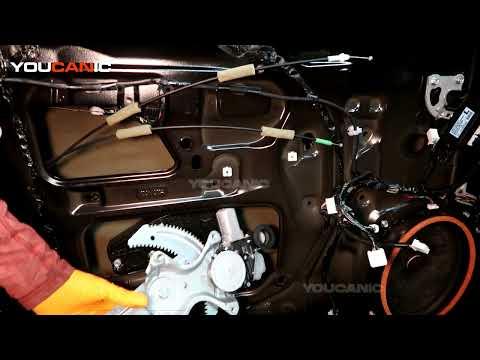
This repair replaces the front door window regulator, which is the scissor/cable mechanism that moves the glass up and down. On your Highlander, the regulator is mounted inside the front door behind the interior trim panel and vapor barrier.
Difficulty Level: Intermediate | Estimated Time: 1.5-2.5 hours per door
Assumption: These steps apply to either front door; repeat the same process on the other side if replacing both front regulators.
⚠️ Safety & Precautions
- ⚠️ Disconnect the negative battery cable before unplugging door electrical connectors to reduce the chance of shorts or airbag-related warning lights.
- ⚠️ Support the window glass before unbolting it from the regulator. The glass can drop suddenly and break.
- ⚠️ Wear safety glasses and gloves. Door sheet metal edges can be sharp.
- ⚠️ Do not slam the door while the glass is taped or partially supported.
- ⚠️ Keep the ignition OFF while hands are inside the door.
🔧 Required Tools
You'll need the following tools for this repair:
- 10mm socket
- Ratchet handle 3/8-inch drive
- 6-inch extension 3/8-inch drive
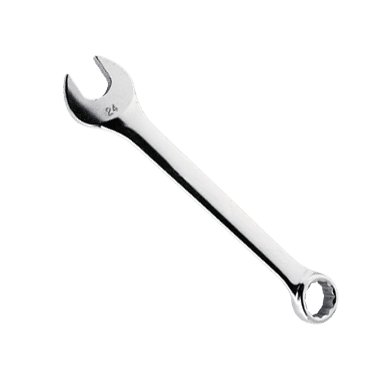
- 10mm wrench
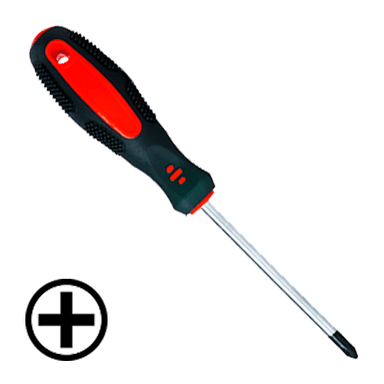
- Phillips #2 screwdriver
- Plastic trim removal tool set
- Small flat-blade screwdriver
- Torque wrench inch-pound 3/8-inch drive
- Painter’s tape 2-inch wide
- Pick tool 90-degree
- Needle-nose pliers
- Work light
- Safety glasses
- Mechanic gloves
🔩 Required Parts
HowToo sells all the parts you need for this repair:
- Front window regulator assembly - Qty: 1 per door
- Front window regulator with motor assembly - Qty: 1 per door if replacing motor and regulator together
- Door trim panel clips - Qty: 4-8 per door
- Butyl sealing tape - Qty: 1 roll if vapor barrier adhesive is damaged
📋 Before You Begin
- Park your Highlander on level ground and set the parking brake.
- Lower or raise the window until the glass mounting bolts are visible through the door service holes, if the regulator still moves.
- If the regulator does not move, you may need to support the glass by hand after the door panel is removed.
- Disconnect the negative battery cable using a 10mm wrench.
- A trim removal tool is a plastic pry tool used to pop panels loose without scratching the door.
- Butyl tape is a sticky black sealing tape used to reseal the plastic moisture barrier inside the door.
🔨 Step-by-Step Instructions
Follow these steps in order:
Step 1: Remove the front door switch panel
- Use a plastic trim removal tool set to gently lift the power window switch panel from the armrest.
- Use a small flat-blade screwdriver to press the connector lock tabs, then unplug the switch panel connectors.
- Set the switch panel somewhere safe so it does not get scratched.
- Work slowly to avoid broken clips.
Step 2: Remove hidden door panel screws
- Use a small flat-blade screwdriver to open the small trim cover behind the inside door handle.
- Use a Phillips #2 screwdriver to remove the screw behind the inside handle.
- Use a Phillips #2 screwdriver to remove the screw inside the armrest pull pocket if equipped.
- Place all screws in a cup or tray so they do not get lost.
Step 3: Remove the interior door trim panel
- Use a plastic trim removal tool set at the lower edge of the door panel to pop the trim clips loose one at a time.
- Once the clips are loose, lift the door panel straight upward to unhook it from the window ledge.
- Use a pick tool 90-degree or needle-nose pliers to release the inside door handle cable clips if needed.
- Unplug any remaining electrical connectors using a small flat-blade screwdriver on the locking tabs.
Step 4: Peel back the vapor barrier
- Use your gloved hands and a plastic trim removal tool set to carefully peel back the plastic vapor barrier.
- Do not tear the vapor barrier. It keeps rainwater from entering the cabin.
- If the black adhesive stretches, fold it back onto itself to keep it reusable.
- Use a work light to see inside the door clearly.
Step 5: Position and secure the window glass
- If the window motor still works, temporarily reconnect the switch panel and battery, then move the glass until the glass bolts line up with the access holes.
- Turn the ignition OFF, disconnect the switch panel, and disconnect the negative battery cable again using a 10mm wrench.
- Use painter’s tape 2-inch wide to tape the glass to the upper door frame from both sides of the glass.
- Apply several long strips of tape over the top of the door frame for support.
- Use more tape than you think.
Step 6: Unbolt the glass from the regulator
- Use a 10mm socket, 6-inch extension 3/8-inch drive, and ratchet handle 3/8-inch drive to loosen the two glass clamp bolts.
- Do not fully remove the bolts unless needed. Loosen them enough to separate the glass from the regulator clamps.
- Carefully slide the glass fully upward by hand if needed, then add more painter’s tape 2-inch wide to secure it.
Step 7: Disconnect the window motor connector
- Use a small flat-blade screwdriver to release the electrical connector lock at the window motor.
- Pull the connector straight off by the connector body, not by the wires.
- Use a work light to confirm the wiring harness is free from the regulator path.
Step 8: Remove the window regulator assembly
- Use a 10mm socket, 6-inch extension 3/8-inch drive, and ratchet handle 3/8-inch drive to remove the regulator mounting bolts.
- Support the regulator with one hand while removing the last bolt.
- Guide the regulator and motor assembly out through the large door opening.
- If the motor is being reused, use a 10mm socket to remove the motor from the old regulator and transfer it to the new regulator.
Step 9: Install the new regulator
- Insert the new front window regulator assembly into the door through the large access opening.
- Use a 10mm socket and ratchet handle 3/8-inch drive to install the regulator bolts finger-tight first.
- Make sure the regulator tracks sit flat against the inner door panel.
- Use a torque wrench inch-pound 3/8-inch drive and 10mm socket to tighten the regulator mounting bolts to Torque to 8 Nm (71 in-lbs).
Step 10: Attach the glass to the new regulator
- Carefully remove some of the painter’s tape 2-inch wide while keeping one hand on the glass.
- Lower the glass by hand until it sits evenly in the regulator glass clamps.
- Use a 10mm socket and ratchet handle 3/8-inch drive to snug the glass clamp bolts.
- Use a torque wrench inch-pound 3/8-inch drive and 10mm socket to tighten the glass clamp bolts to Torque to 8 Nm (71 in-lbs).
Step 11: Test window operation before reassembly
- Reconnect the window motor connector by hand until it clicks.
- Reconnect the switch panel connectors by hand.
- Reconnect the negative battery cable using a 10mm wrench.
- Turn the ignition ON and operate the window switch.
- Watch the glass travel fully up and down. It should move smoothly without tilting or binding.
- If the glass binds, turn the ignition OFF and use a 10mm socket to slightly loosen the glass clamp bolts, realign the glass, then retighten to Torque to 8 Nm (71 in-lbs).
Step 12: Initialize the auto window function
- Using the door switch, close the window fully.
- Keep holding the switch in the UP position for about 2 seconds after the glass reaches the top.
- Lower the window fully, then keep holding the switch in the DOWN position for about 2 seconds.
- Raise the window again and confirm auto-up and auto-down work from the switch.
Step 13: Reinstall the vapor barrier
- Turn the ignition OFF before working around the door wiring again.
- Use your hands and a plastic trim removal tool set to press the vapor barrier back into the black butyl adhesive.
- If the adhesive no longer seals, apply butyl sealing tape around the edges of the vapor barrier.
- Make sure wiring connectors pass through the correct openings.
Step 14: Reinstall the interior door trim panel
- Reconnect the inside handle cables by hand and confirm the handle moves normally.
- Reconnect electrical connectors by hand until each one clicks.
- Hang the door panel over the top window ledge first.
- Use your palm to press around the panel edges and snap the clips back into place.
- If a clip is broken, replace it with a new door trim panel clip.
Step 15: Reinstall screws and switch panel
- Use a Phillips #2 screwdriver to reinstall the inside handle screw.
- Use a Phillips #2 screwdriver to reinstall the armrest pull pocket screw if equipped.
- Snap the small trim cover closed by hand.
- Reconnect the switch panel connectors by hand.
- Press the switch panel into the armrest until it clicks into place.
✅ After Repair
- ✅ Test the window from the driver master switch and from the repaired door switch.
- ✅ Confirm auto-up and auto-down work after initialization.
- ✅ Check that the glass seals evenly at the top and does not rattle when the door closes.
- ✅ Spray a small amount of water over the outside glass area and check inside the door trim area for leaks.
- ✅ Make sure the power lock, mirror switch, speaker, and door handle all work before driving.
💰 DIY vs Shop Cost
Shop Cost: $350-$650 per door (parts + labor)
DIY Cost: $90-$250 per door (parts only)
You Save: $260-$400 per door by doing it yourself!
Shop labor rates vary but typically run $100-$150/hour. This repair takes a shop approximately 1.0-1.5 hours per door.
🎯 Ready to get started?
HowToo makes it easy: same-day/2-day shipping on every part, plus all the tools and specialty tools you need! Check out the parts and tools sections below to add everything to your cart.