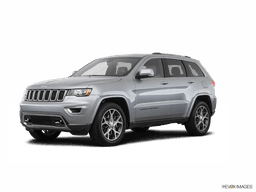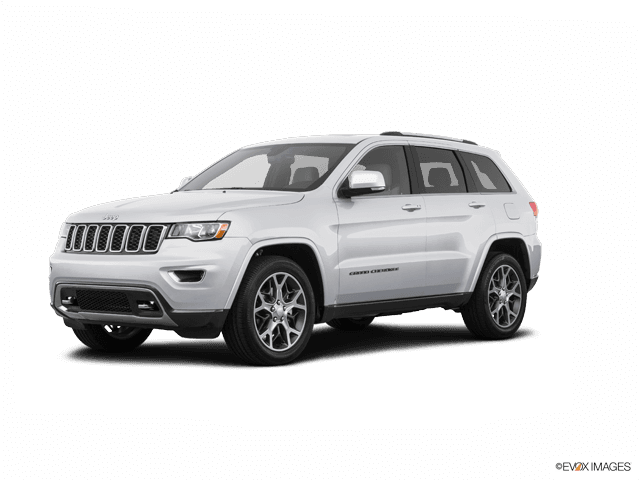









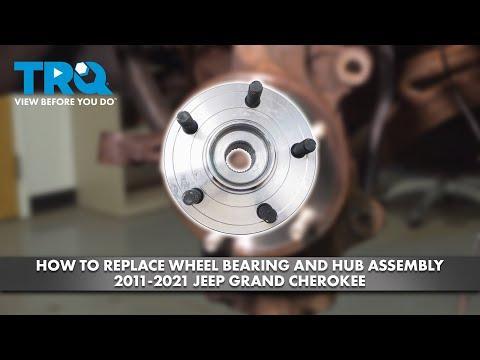







How to Replace Front Wheel Bearings on a 2011-2021 Jeep Grand Cherokee
Step-by-step hub assembly guide with tools, parts, torque specs, and safety tips
How to Replace Front Wheel Bearings on a 2011-2021 Jeep Grand Cherokee
Step-by-step hub assembly guide with tools, parts, torque specs, and safety tips for 2011, 2012, 2013, 2014, 2015, 2016, 2017, 2018, 2019, 2020, 2021


🔧 Grand Cherokee - Wheel Bearing Replacement
This repair replaces the wheel hub bearing assembly, which is the sealed unit that lets the wheel spin smoothly while supporting the vehicle’s weight. On your Grand Cherokee, the front wheel bearing is serviced as a hub assembly, and the rear bearing service is different because it is part of the rear axle/hub setup.
Assumption: Steps below cover the most common DIY repair: front wheel hub bearing assembly replacement. Replace left and right sides in pairs if both are noisy or have similar mileage.
Difficulty Level: Intermediate | Estimated Time: 2-3 hours per side
⚠️ Safety & Precautions
- ⚠️ Work on a flat, solid surface only. Never rely on a jack by itself.
- ⚠️ Use jack stands under the correct lift points before putting any part of your body near the wheel well.
- ⚠️ The hub nut is very tight. Loosen it only with the tire on the ground so the wheel cannot spin.
- ⚠️ Do not let the brake caliper hang by the rubber brake hose. Support it with wire or a bungee cord.
- ⚠️ Avoid pulling or stretching the wheel speed sensor wire. This sensor is used by ABS and stability control.
- ⚠️ Replace the hub nut if supplied with the new hub. It is commonly treated as a one-time-use fastener.
- ⚠️ Battery disconnect is not normally required for this repair.
🔧 Required Tools
You'll need the following tools for this repair:
- Safety glasses
- Mechanic gloves
- Wheel chocks
- Floor jack (rated 3-ton minimum)
- Jack stands (rated 3-ton minimum)
- Breaker bar 1/2-inch drive
- Torque wrench 1/2-inch drive 250 ft-lb capacity
- Torque wrench 3/8-inch drive 100 ft-lb capacity
- 22mm socket
- 36mm axle nut socket
- 13mm socket
- 18mm socket
- 21mm socket
- 10mm socket
- Ratchet 1/2-inch drive
- Ratchet 3/8-inch drive
- Extension 3/8-inch drive 6-inch
- Flathead screwdriver
- Needle-nose pliers
- Dead blow hammer
- Hub puller kit (specialty)
- Wire brush
- Bungee cord
- Brake cleaner spray
🔩 Required Parts
HowToo sells all the parts you need for this repair:
- Front wheel hub bearing assembly - Qty: 1 per side
- Front axle hub nut - Qty: 1 per side
- Brake rotor retaining clip - Qty: 1 per side if damaged
- Anti-seize compound - Qty: 1 small tube
- Threadlocker medium strength - Qty: 1 small tube
📋 Before You Begin
- 🅿️ Park your Grand Cherokee on level ground and shift into Park.
- 🧱 Place wheel chocks behind the rear wheels.
- 🔩 Slightly loosen the front lug nuts before lifting the vehicle.
- 🔧 A hub puller is a tool that bolts to the wheel studs and pushes or pulls the stuck hub free from the steering knuckle.
- 🧼 Spray the hub bolts, axle splines, and center hub area with penetrating oil if rust is present.
🔨 Step-by-Step Instructions
Follow these steps in order:
Step 1: Loosen the Wheel and Hub Nut
- Use a 22mm socket and breaker bar 1/2-inch drive to loosen the front wheel lug nuts about one turn.
- Use a 36mm axle nut socket and breaker bar 1/2-inch drive to loosen the front axle hub nut while the tire is still on the ground.
- Do not remove the hub nut fully yet.
- Break it loose before lifting.
Step 2: Lift and Support the Vehicle
- Use a floor jack (rated 3-ton minimum) to lift the front of your Grand Cherokee at the proper front lift point.
- Place jack stands (rated 3-ton minimum) under the front support points.
- Gently lower the vehicle onto the jack stands.
- Keep the floor jack lightly touching as a backup support.
Step 3: Remove the Wheel
- Use a 22mm socket and ratchet 1/2-inch drive to remove the loosened lug nuts.
- Remove the wheel and place it flat under the vehicle as an extra safety backup.
Step 4: Remove the Brake Caliper
- Use an 18mm socket and ratchet 1/2-inch drive to remove the brake caliper bracket bolts.
- Lift the caliper and bracket assembly off the rotor as one unit.
- Use a bungee cord to hang the caliper from the suspension spring or upper control arm.
- Do not let the caliper hang from the brake hose.
Step 5: Remove the Brake Rotor
- Use needle-nose pliers or a flathead screwdriver to remove the rotor retaining clip if one is installed on a wheel stud.
- Slide the brake rotor off the hub.
- If the rotor is stuck, tap the rotor hat with a dead blow hammer.
- Tap around the center evenly.
Step 6: Disconnect the Wheel Speed Sensor Wire
- Use a 10mm socket and ratchet 3/8-inch drive to remove any small retaining bolt holding the wheel speed sensor wire bracket, if equipped.
- Use a flathead screwdriver carefully to release plastic clips from the knuckle or brake hose bracket.
- Unplug the sensor connector if the replacement hub includes the sensor wire.
- If the hub does not include a sensor, keep the sensor wire safely out of the way.
Step 7: Remove the Hub Nut
- Use the 36mm axle nut socket and ratchet 1/2-inch drive to remove the loosened hub nut completely.
- Push the axle inward slightly by hand.
- If the axle is stuck in the hub, thread the old nut back on a few turns and tap it gently with a dead blow hammer.
- Do not strike the axle threads directly.
Step 8: Remove the Hub Assembly Bolts
- Turn the steering wheel slightly to improve access behind the steering knuckle.
- Use a 21mm socket, ratchet 1/2-inch drive, and extension 3/8-inch drive 6-inch if needed to remove the hub mounting bolts from the back side of the knuckle.
- Support the hub with one hand as the last bolt comes out.
- Keep the old bolts organized if the new hub does not include replacements.
Step 9: Remove the Old Hub
- Try pulling the hub straight out by hand first.
- If it is stuck, install the hub puller kit (specialty) onto the wheel studs and use it to pull the hub away from the steering knuckle.
- Use a dead blow hammer around the hub flange only if needed.
- Remove the hub assembly from the axle splines and knuckle.
Step 10: Clean the Mounting Surface
- Use a wire brush to clean rust and dirt from the hub mounting bore in the steering knuckle.
- Use brake cleaner spray to clean the area after brushing.
- Apply a very light film of anti-seize compound to the knuckle bore only.
- Do not put anti-seize on bolt threads unless the service information or bolt supplier specifies it.
Step 11: Install the New Hub Assembly
- Slide the new front wheel hub bearing assembly over the axle splines and into the steering knuckle.
- Start the hub mounting bolts by hand to avoid cross-threading.
- Use a 21mm socket and ratchet 1/2-inch drive to snug the bolts evenly.
- Use a torque wrench 1/2-inch drive 250 ft-lb capacity to tighten the hub mounting bolts to Torque to 149 Nm (110 ft-lbs).
Step 12: Install the New Hub Nut
- Install the new front axle hub nut by hand first.
- Use a 36mm axle nut socket and ratchet 1/2-inch drive to snug the nut.
- Final torque will be done after the wheel is back on the ground.
Step 13: Reconnect the Wheel Speed Sensor Wire
- Route the sensor wire exactly the same way it was before removal.
- Use a flathead screwdriver to gently seat any plastic clips.
- Use a 10mm socket and ratchet 3/8-inch drive to reinstall any sensor bracket bolt.
- Tighten the small bracket bolt snugly only; do not overtighten.
Step 14: Reinstall the Brake Rotor
- Slide the brake rotor back over the wheel studs.
- Use brake cleaner spray to clean fingerprints or grease from the rotor surface.
- Install a new brake rotor retaining clip if needed using needle-nose pliers.
Step 15: Reinstall the Brake Caliper
- Remove the caliper from the bungee cord and place it over the rotor.
- Start the caliper bracket bolts by hand.
- Use an 18mm socket and ratchet 1/2-inch drive to snug the bolts.
- Use a torque wrench 1/2-inch drive 250 ft-lb capacity to tighten the caliper bracket bolts to Torque to 176 Nm (130 ft-lbs).
Step 16: Reinstall the Wheel
- Install the wheel onto the hub.
- Thread the lug nuts by hand first.
- Use a 22mm socket and ratchet 1/2-inch drive to snug the lug nuts in a star pattern.
Step 17: Lower and Final Torque
- Use the floor jack (rated 3-ton minimum) to lift the vehicle slightly off the jack stands.
- Remove the jack stands (rated 3-ton minimum).
- Lower the tire until it just touches the ground and cannot spin.
- Use the 36mm axle nut socket and torque wrench 1/2-inch drive 250 ft-lb capacity to tighten the hub nut to Torque to 240 Nm (177 ft-lbs).
- Use the 22mm socket and torque wrench 1/2-inch drive 250 ft-lb capacity to tighten the lug nuts in a star pattern to Torque to 176 Nm (130 ft-lbs).
✅ After Repair
- ✅ Pump the brake pedal a few times before moving the vehicle. This reseats the brake pads against the rotor.
- ✅ Start your Grand Cherokee and check that the ABS, traction control, and brake warning lights turn off after a short drive.
- ✅ Test drive slowly first. Listen for grinding, clicking, or humming.
- ✅ Recheck the lug nut torque after 25-50 miles using the 22mm socket and torque wrench 1/2-inch drive 250 ft-lb capacity.
- ✅ If the ABS light stays on, inspect the wheel speed sensor connector and wire routing first.
💰 DIY vs Shop Cost
Shop Cost: $450-$750 per front side (parts + labor)
DIY Cost: $130-$280 per front side (parts only)
You Save: $320-$470 per side by doing it yourself!
Shop labor rates vary but typically run $100-$150/hour. This repair takes a shop approximately 1.5-2.5 hours per side.
🎯 Ready to get started?
HowToo makes it easy: same-day/2-day shipping on every part, plus all the tools and specialty tools you need! Check out the parts and tools sections below to add everything to your cart.
Guide for Wheel Bearing and Hub Assembly replace for these Jeep vehicles
| Year Make Model | Sub Model | Engine | Body Style |
|---|---|---|---|
| 2021 Jeep Grand Cherokee | - | - | - |
| 2020 Jeep Grand Cherokee | - | - | - |
| 2019 Jeep Grand Cherokee | - | - | - |
| 2018 Jeep Grand Cherokee | - | - | - |
| 2017 Jeep Grand Cherokee | - | - | - |
| 2016 Jeep Grand Cherokee | - | - | - |
| 2015 Jeep Grand Cherokee | - | - | - |
| 2014 Jeep Grand Cherokee | - | - | - |
| 2013 Jeep Grand Cherokee | - | - | - |
| 2012 Jeep Grand Cherokee | - | - | - |
| 2011 Jeep Grand Cherokee | - | - | - |