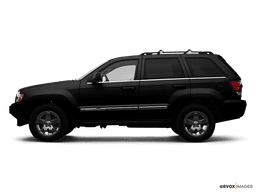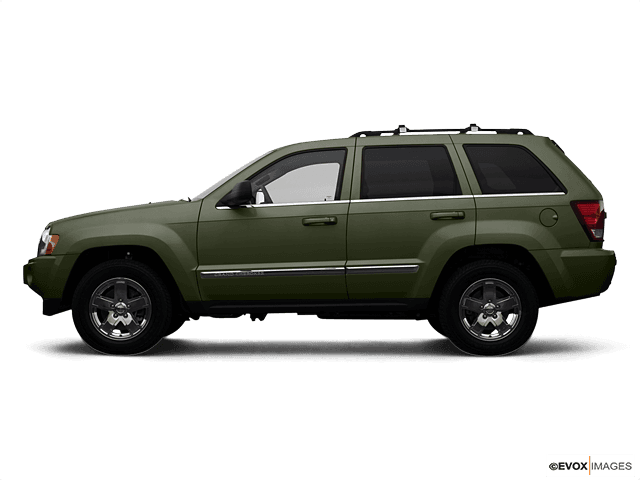









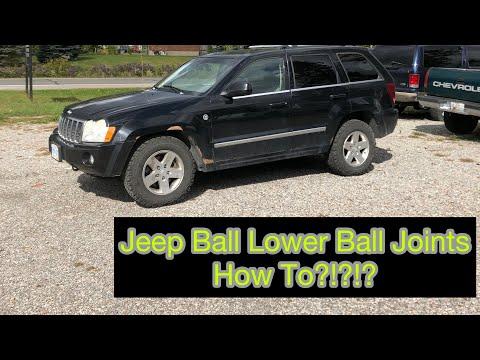







How to Replace Front Upper & Lower Ball Joints on a 2007 Jeep Grand Cherokee
Step-by-step DIY guide with required tools, parts list, safety tips, and torque specs
How to Replace Front Upper & Lower Ball Joints on a 2007 Jeep Grand Cherokee
Step-by-step DIY guide with required tools, parts list, safety tips, and torque specs


🔧 Grand Cherokee - Front Ball Joint Replacement
On your Grand Cherokee’s front suspension, the lower ball joint is typically pressed into the steering knuckle, while the upper ball joint usually comes as part of the upper control arm (most repairs replace the whole arm). Worn ball joints can cause clunks, wandering steering, and uneven tire wear, so replacing them restores safe handling.
Difficulty Level: Advanced | Estimated Time: 2.5-5 hours
⚠️ Safety & Precautions
- 🛑 Support the SUV with jack stands under the frame—never rely on a floor jack.
- 🛑 Wear safety glasses; ball joint separation can release suddenly.
- 🛑 Do not let the brake caliper hang by the hose; support it with a hook/strap.
- 🛑 Keep fingers clear when using a ball joint press (it can slip under load).
- 🛑 No battery disconnect is required for this mechanical repair.
🔧 Required Tools
You'll need the following tools for this repair:
- Floor jack (rated 3-ton minimum)
- Jack stands (rated 3-ton minimum)
- Wheel chocks
- Safety glasses
- Mechanic gloves
- Breaker bar 1/2"
- Torque wrench 1/2" (20-250 ft-lbs range)
- Socket set metric 10mm-24mm (1/2" drive)
- Wrench set metric 10mm-24mm
- Allen key set metric (for caliper slide pins if equipped)
- Pry bar 18"
- Hammer 2 lb
- Ball joint separator fork (specialty)
- Ball joint press kit C-clamp style (specialty)
- Needle-nose pliers
- Wire hook or bungee strap
- Penetrating oil
- Wire brush
🔩 Required Parts
HowToo sells all the parts you need for this repair:
- Front lower ball joint - Qty: 2 (Replace in pairs)
- Front upper control arm (includes upper ball joint) - Qty: 2 (If replacing uppers, do both)
- Ball joint cotter pins - Qty: 2-4
- Steering knuckle ball joint snap ring (if equipped) - Qty: 2
- Anti-seize compound - Qty: 1
📋 Before You Begin
- Park on level ground, set the parking brake, and place wheel chocks behind the rear tires.
- Loosen the front lug nuts 1/2 turn using a 21mm socket and breaker bar before lifting.
- Plan for an alignment afterward (especially if you replace upper control arms).
- Penetrating oil now saves time later. Spray ball joint nuts and tie-rod nut.
🔨 Step-by-Step Instructions
Follow these steps in order:
Step 1: Lift and remove the front wheel
- Lift the front with a floor jack and support with jack stands.
- Remove lug nuts using a 21mm socket.
Step 2: Remove brake caliper and rotor
- Remove the caliper bolts using the correct socket (commonly 13mm/15mm depending on caliper). If slide pins require it, use an Allen key.
- Hang the caliper using a wire hook or bungee strap.
- Remove the caliper bracket bolts using a 21mm socket if equipped.
- Remove the rotor; tap gently with a hammer if stuck.
Step 3: Disconnect the outer tie-rod end from the knuckle
- Remove the tie-rod end nut using a 21mm socket (size can vary).
- Separate the joint using a ball joint separator fork and a hammer. Hit the fork, not the threads.
Step 4: Separate the upper ball joint from the knuckle (upper control arm)
- Remove the upper ball joint nut using a 18mm socket (size can vary).
- Use a ball joint separator fork and hammer to separate the upper joint from the knuckle.
- Support the knuckle with a pry bar so it doesn’t fall outward.
Step 5A: Replace the upper control arm (if doing upper ball joints)
- Locate the upper control arm frame bolts in the engine bay/inner fender area.
- Remove the upper control arm mounting bolts using a socket and wrench (commonly 18mm).
- Remove the arm and install the new upper control arm by hand-starting the bolts.
- Install the upper ball joint stud into the knuckle and start the nut by hand using an 18mm socket.
- Torque to 88 Nm (65 ft-lbs) for the upper ball joint nut, then install a new cotter pin if equipped/required.
- Torque to 122 Nm (90 ft-lbs) for the upper control arm frame bolts.
- Final-tighten arm bolts at ride height. (See Step 8.)
Step 5B: Replace the lower ball joint (pressed into the knuckle)
- Remove the lower ball joint nut using a 21mm socket (size can vary).
- Separate the lower ball joint from the lower control arm using a ball joint separator fork and hammer.
- With the knuckle free from the upper joint and tie rod, move the knuckle outward and remove it from the vehicle.
- Clean the knuckle bore with a wire brush and apply light penetrating oil.
- Use a ball joint press kit C-clamp style (specialty) to press the old lower ball joint out.
- Press the new lower ball joint in using the ball joint press kit. Keep it straight; stop and realign if it starts to cock sideways.
- If your replacement uses a snap ring, install it using needle-nose pliers (or the appropriate method included with the joint).
- Reinstall the knuckle onto the lower control arm stud and start the nut by hand.
- Torque to 135 Nm (100 ft-lbs) for the lower ball joint nut, then install a new cotter pin if equipped/required.
Step 6: Reconnect the tie-rod end
- Insert the tie-rod stud into the knuckle and install the nut using a 21mm socket.
- Torque to 75 Nm (55 ft-lbs) and install a new cotter pin if equipped/required.
Step 7: Reinstall rotor and brakes
- Reinstall the rotor.
- Reinstall the caliper bracket using a 21mm socket.
- Torque to 169 Nm (125 ft-lbs) for the caliper bracket bolts.
- Reinstall the caliper using the correct socket (commonly 13mm/15mm).
- Torque to 35 Nm (26 ft-lbs) for caliper slide bolts (typical).
Step 8: Final tighten at ride height (important)
- Reinstall the wheel and snug the lug nuts using a 21mm socket.
- Lower the SUV so the suspension is carrying weight (ride height).
- If you replaced upper control arms, re-check the frame bolt torque using a torque wrench: Torque to 122 Nm (90 ft-lbs).
- Torque the lug nuts in a star pattern: Torque to 135 Nm (100 ft-lbs).
Step 9: Repeat on the other side
- Repeat the same steps for the other front wheel using the same tools.
✅ After Repair
- Turn the steering wheel lock-to-lock and check for any binding or odd noises.
- Road test slowly first; listen for clunks over bumps.
- Get a front-end alignment as soon as possible.
- Recheck lug nut torque using a torque wrench after 25-50 miles.
💰 DIY vs Shop Cost
Shop Cost: $500-$1,200 (parts + labor)
DIY Cost: $120-$450 (parts only)
You Save: $380-$750 by doing it yourself!
Shop labor rates vary but typically run $100-$150/hour. This repair takes a shop approximately 2.5-5 hours.
🎯 Ready to get started?
HowToo makes it easy: same-day/2-day shipping on every part, plus all the tools and specialty tools you need! Check out the parts and tools sections below to add everything to your cart.