









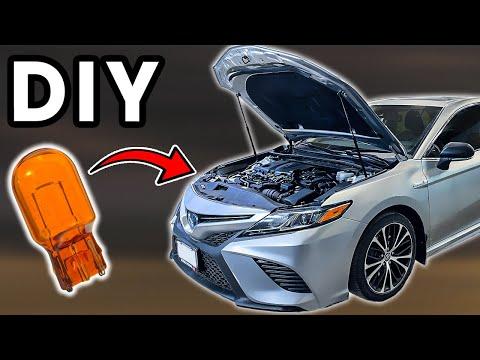





How to Replace Front Turn Signal (Headlamp Assembly) on a 2020 Toyota Camry
Step-by-step 2020 Camry LED front turn signal fix with tools, parts list, bumper removal, and torque specs
How to Replace Front Turn Signal (Headlamp Assembly) on a 2020 Toyota Camry
Step-by-step 2020 Camry LED front turn signal fix with tools, parts list, bumper removal, and torque specs


🔧 Camry - Front Turn Signal (Headlamp Assembly) Replacement
On your Camry, the front turn signals are built into the headlamp as non-removable LED units. To “replace the bulb,” you must replace the entire headlamp assembly on that side.
This guide walks you through removing the front bumper cover enough to swap the headlamp assembly safely.
Difficulty Level: Intermediate | Estimated Time: 2–3 hours
⚠️ Safety & Precautions
- ⚠️ Park on level ground, in gear/Park, with the parking brake firmly set.
- ⚠️ Turn the ignition off and remove the key; wait at least 2–3 minutes before unplugging any lights.
- ⚠️ Disconnect the negative battery terminal before unplugging the headlamp connectors to avoid short circuits.
- ⚠️ Support the bumper cover gently; do not let it hang by wiring.
- ⚠️ Keep track of all screws and clips; mixing lengths can crack plastic parts when reinstalled.
🔧 Required Tools
You'll need the following tools for this repair:
- 🛠️ 10mm socket
- 🛠️ 12mm socket
- 🛠️ 1/4" drive ratchet
- 🛠️ 1/4" drive extension (3"–6")
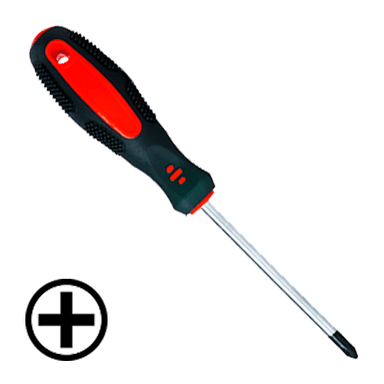
- 🛠️ Phillips #2 screwdriver
- 🛠️ Flathead screwdriver (small)
- 🛠️ Trim clip removal tool (specialty)
- 🛠️ Plastic trim pry tool set (specialty)
- 🛠️ Needle nose pliers
- 🛠️ Torque wrench (inch-lb, 20–100 in-lb range)
- 🛠️ Fender cover or clean blanket
- 🛠️ Work light or flashlight
- 🛠️ Mechanic gloves
- 🛠️ Safety glasses
🔩 Required Parts
HowToo sells all the parts you need for this repair:
- 🔩 Front headlamp assembly (with LED turn signal), left or right side - Qty: 1
- 🔩 Front bumper cover plastic clips/retainers kit - Qty: 1
- 🔩 Headlamp mounting bolts and screws set - Qty: 1
- 🔩 Dielectric grease (for electrical connectors) - Qty: 1 small tube
- 🔩 Painter’s tape or masking tape - Qty: 1 roll
📋 Before You Begin
- Park the Camry on a flat surface, set the parking brake, and turn the ignition off.
- Open the hood and let the engine bay cool if the car was just driven.
- Use painter’s tape along the top edges of the bumper and fenders to protect the paint where panels will move.
- Disconnect the negative battery cable: use a 10mm socket on the negative terminal and move the cable aside so it cannot spring back.
- Lay out a small tray or boxes to organize screws and clips by location (top of bumper, fender area, wheel well, etc.).
🔨 Step-by-Step Instructions
Follow these steps in order:
Step 1: Remove upper radiator cover clips
- Open the hood fully and secure it with the hood prop.
- Using a trim clip removal tool (a fork-shaped tool for pulling plastic clips), remove the plastic push clips holding the black plastic cover over the radiator and headlamp area.
- Use a flathead screwdriver to gently lift the center of stubborn clips before prying them out with the trim tool.
- Lift off the plastic cover and set it aside.
Step 2: Loosen top bumper fasteners
- Use a 10mm socket with ratchet to remove the bolts along the top edge of the bumper cover, just under the cover you removed.
- Place these bolts in a labeled container (e.g., “top bumper bolts”).
Step 3: Release front wheel well fasteners
- Turn the steering wheel fully to the opposite side of the headlamp you’re working on to gain access to that wheel well liner.
- Use a Phillips #2 screwdriver to remove the small screws holding the front of the wheel well liner to the bumper cover.
- Use a trim clip removal tool or flathead screwdriver to remove any push clips in this area.
- Gently peel back the wheel well liner near the bumper to expose bolts where the bumper meets the fender.
Step 4: Remove bumper-to-fender fasteners
- Inside the gap you created, use a 10mm socket with extension to remove the bumper-to-fender bolt.
- There may also be a hidden clip: gently pry with a plastic trim pry tool (a non-metal tool to avoid scratching paint) until the bumper edge pops slightly away from the fender.
- Repeat Steps 3–4 on the other side if you’re loosening the whole bumper (recommended for easier headlamp removal).
Step 5: Remove lower bumper fasteners
- From the front underside of the bumper, use a 10mm socket and Phillips #2 screwdriver to remove bolts and screws securing the lower edge of the bumper to the splash shield.
- Use a trim clip removal tool for any push clips along the bottom edge.
- Keep bolts and clips grouped by location.
Step 6: Gently loosen and pull bumper forward
- With all top, side, and bottom fasteners removed, stand at the front and gently pull the bumper cover forward from each side near the wheel well using your hands (do not yank).
- Use a plastic trim pry tool if any tabs feel stuck, working slowly to avoid cracking the plastic.
- Pull the bumper cover forward a few inches to expose the wiring behind it; support it on a box or stool so it does not hang by the wires.
Step 7: Disconnect fog light/parking sensor harnesses (if equipped)
- If your Camry has fog lights or front sensors, reach behind the bumper and unplug the connectors by pressing the release tab with your fingers or a flathead screwdriver and pulling straight back.
- Set the bumper cover safely on a soft surface (blanket or cardboard) in front of the car.
Step 8: Remove headlamp mounting bolts
- With the bumper off, locate the headlamp assembly bolts on top, at the side near the fender, and at the bottom/front.
- Use a 10mm socket with ratchet and extension to remove all visible headlamp mounting bolts and screws.
- There may be a locating pin or hidden tab: gently lift the rear of the headlamp while pulling it forward.
Step 9: Disconnect headlamp electrical connectors
- Support the headlamp with one hand; with the other, unplug the main wiring connectors from the back of the headlamp by pressing their release tabs.
- If needed, use a flathead screwdriver gently on the tab to help, but do not pry on the plastic housing.
- Once all connectors are free, remove the entire headlamp assembly from the vehicle.
Step 10: Prepare and install the new headlamp assembly
- Compare the new headlamp to the old one to make sure mounting points and connectors match.
- Apply a tiny amount of dielectric grease (a non-conductive grease that protects electrical contacts) to the rubber seals of the connectors, not on the metal pins.
- Connect the wiring harnesses to the new headlamp; push until you hear or feel a click.
- Carefully slide the new headlamp into position, making sure locating pins go into their holes and the edges sit flush with the fender and grille.
Step 11: Secure the headlamp assembly
- Install the headlamp mounting bolts and screws by hand first to avoid cross-threading.
- Use a 10mm socket with ratchet to snug all bolts.
- Then use a torque wrench with 10mm socket to tighten the headlamp bolts to 7 Nm (62 in-lb).
- Do not overtighten; plastic mounting tabs can crack.
Step 12: Temporary test before reinstalling bumper
- Reconnect the negative battery cable using a 10mm socket and tighten the nut snugly.
- Turn the ignition to ON and test low beams, high beams, front turn signal (use the turn signal stalk), and hazard lights on the replaced side.
- If everything works, turn ignition off and disconnect the negative battery cable again before reassembling.
Step 13: Reinstall bumper cover
- Lift the bumper cover and position it in front of the car.
- If removed earlier, reconnect fog light and sensor connectors by hand until they click.
- Slide the bumper cover into place, making sure the side edges hook correctly into the clips near the fenders.
- Use your hands to press along the seam where the bumper meets the fender until you feel the tabs engage.
Step 14: Reinstall bumper fasteners (sides, bottom, then top)
- Install the bumper-to-fender bolts using a 10mm socket; tighten to about 7 Nm (62 in-lb).
- Reposition the wheel well liner and reinstall screws with a Phillips #2 screwdriver and any clips with the trim clip removal tool (push center pins back down to lock them).
- From underneath, reinstall the lower bolts and screws with a 10mm socket and Phillips #2 screwdriver.
- Along the top edge, reinstall the bumper bolts using a 10mm socket and snug them to 7 Nm (62 in-lb).
Step 15: Reinstall upper radiator cover
- Place the plastic cover back over the radiator/headlamp area.
- Reinsert all plastic push clips by hand and press their centers down until they lock.
Step 16: Final checks
- Reconnect the negative battery terminal using a 10mm socket and tighten firmly (do not overtighten).
- Remove painter’s tape from body panels.
- Turn ignition ON and check: low beams, high beams, front turn signals, hazards, and parking lights on both sides.
- Check gaps where the bumper meets the fenders, headlights, and grille; they should be even with no bulging or loose areas.
✅ After Repair
- Verify the new front turn signal flashes at a normal speed, not extra fast.
- Check lights again at night against a wall to confirm beam aim looks even side-to-side. For precise aim, a professional aiming procedure or shop check is recommended.
- After a short drive, recheck that the bumper and headlamp are still secure and no clips have popped loose.
💰 DIY vs Shop Cost
Shop Cost: $550–$900 (parts + labor)
DIY Cost: $250–$450 (parts only, depending on brand/OEM vs aftermarket)
You Save: $300–$450 by doing it yourself!
Shop labor rates typically run $100–$150/hour. This repair takes a shop approximately 1.5–2.0 hours.
🎯 Ready to get started?
HowToo makes it easy: same-day/2-day shipping on every part, plus all the tools and specialty tools you need! Check out the parts and tools sections above to add everything to your cart.