














How to Replace Front Turn Signal Bulbs on a 2018 Nissan Pathfinder (Step-by-Step)
Beginner-friendly guide with access methods, required tools/parts, safety tips, and wheel lug torque specs for 2007, 2008, 2009, 2010, 2011, 2012, 2017, 2018, 2019, 2020, 2022, 2023
How to Replace Front Turn Signal Bulbs on a 2018 Nissan Pathfinder (Step-by-Step)
Beginner-friendly guide with access methods, required tools/parts, safety tips, and wheel lug torque specs for 2007, 2008, 2009, 2010, 2011, 2012, 2017, 2018, 2019, 2020, 2022, 2023


🔧 Pathfinder - Front Turn Signal Bulb Replacement
Your Pathfinder’s front turn signal bulbs sit inside the headlamp assemblies. The job is mostly about getting access, removing the bulb socket, and swapping the bulb without touching the glass.
Difficulty Level: Beginner | Estimated Time: 0.5-1.0 hours
⚠️ Safety & Precautions
- ⚠️ Let the headlamp area cool before reaching behind it.
- ⚠️ Support the vehicle with jack stands if you lift it—never rely on a jack alone.
- ⚠️ Don’t touch the new bulb’s glass with bare fingers; skin oil can shorten bulb life.
- ⚠️ Turn the light switch OFF and remove the key/fob from the vehicle.
🔧 Required Tools
You'll need the following tools for this repair:
- Nitrile gloves
- Safety glasses
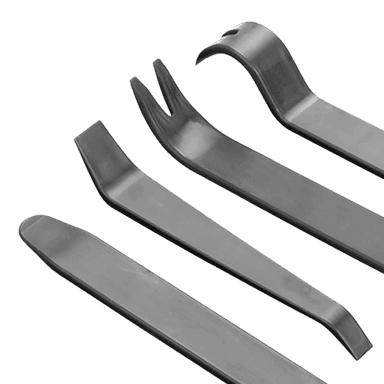
- Trim clip remover
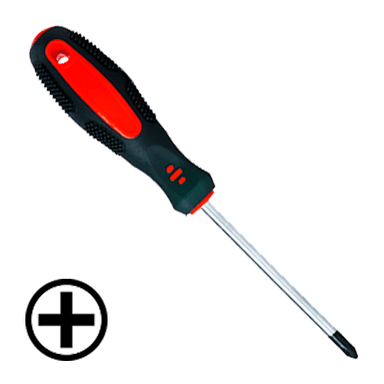
- Phillips screwdriver
- 10mm socket
- 3/8" ratchet
- 3" extension
- Floor jack (rated 3-ton minimum)
- Jack stands (rated 3-ton minimum)
- 21mm socket
- Tire iron
- Torque wrench (10-150 ft-lbs)
- Flashlight
🔩 Required Parts
HowToo sells all the parts you need for this repair:
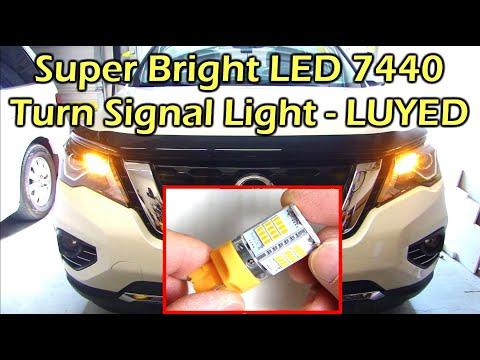
- Front turn signal bulb (amber) - Qty: 2 Replace in pairs
📋 Before You Begin
- Park on level ground, shift to Park, and set the parking brake.
- Turn the steering wheel fully away from the side you’re working on (gives more room at the fender liner).
- If you plan to remove a front wheel for extra space, slightly loosen lug nuts first (use 21mm socket and tire iron).
🔨 Step-by-Step Instructions
Follow these steps in order:
Step 1: Confirm which bulb you’re replacing
- Turn the hazards ON and walk around the front to confirm which side is out.
- Turn hazards OFF before you start disassembly.
Step 2: Choose your access method (use whichever matches your space)
- Method A (common): Access through the front fender liner (more room).
- Method B: Access from the engine bay behind the headlamp (if your hands fit).
Step 3 (Method A): Make space at the front fender liner
- If removing the wheel for easier access: raise the front corner with a floor jack (rated 3-ton minimum), support with jack stands (rated 3-ton minimum), then remove lug nuts using a 21mm socket and tire iron.
- Remove the front portion of the fender liner fasteners using a trim clip remover and Phillips screwdriver.
- Trim clip remover = fork tool for plastic clips.
- Pull the liner back just enough to reach the back of the headlamp.
Step 4 (Method B): Access behind the headlamp from the engine bay
- Open the hood and aim a flashlight behind the headlamp on the side you’re working on.
- If a small splash shield or air guide blocks your hand, remove its fasteners with a 10mm socket, 3/8" ratchet, and 3" extension.
Step 5: Remove the turn signal bulb socket
- Locate the turn signal socket at the rear of the headlamp assembly.
- Twist the socket counterclockwise by hand to unlock it, then pull it straight out.
Step 6: Replace the bulb
- Put on nitrile gloves.
- Pull the old bulb straight out of the socket.
- Push the new bulb straight into the socket until fully seated.
Step 7: Reinstall the socket and reassemble
- Reinsert the socket into the headlamp, then twist clockwise to lock it.
- Reposition the fender liner and reinstall clips/screws using the trim clip remover and Phillips screwdriver.
- If you removed the wheel: reinstall it and hand-tighten lug nuts using a 21mm socket and tire iron, lower the vehicle, then Torque to 133 Nm (98 ft-lbs) using a torque wrench (10-150 ft-lbs).
✅ After Repair
- Turn hazards ON and verify both front turn signals flash correctly.
- Verify the turn signal indicator on the dash flashes at a normal rate (fast flash usually means a bulb still isn’t working).
- At night, confirm the bulb lights evenly and the socket is fully locked (no flicker).
💰 DIY vs Shop Cost
Shop Cost: $80-$180 (parts + labor)
DIY Cost: $10-$40 (parts only)
You Save: $70-$140 by doing it yourself!
Shop labor rates vary but typically run $100-$150/hour. This repair takes a shop approximately 0.5-1.0 hours.
🎯 Ready to get started?
HowToo makes it easy: same-day/2-day shipping on every part, plus all the tools and specialty tools you need! Check out the parts and tools sections below to add everything to your cart.