
















How to Replace Front Turn Signal Bulbs on a 2017 Toyota RAV4
Step-by-step instructions, tools, parts, safety tips, and testing guidance for 2013, 2014, 2015, 2016, 2017, 2018, 2019, 2020, 2021, 2022, 2023, 2024
How to Replace Front Turn Signal Bulbs on a 2017 Toyota RAV4
Step-by-step instructions, tools, parts, safety tips, and testing guidance for 2013, 2014, 2015, 2016, 2017, 2018, 2019, 2020, 2021, 2022, 2023, 2024


🔧 Front Turn Signal Bulb - Replacement
Replacing the front turn signal bulb on your RAV4 is a simple rear-access job from inside the engine bay. On this model, the bulb is typically reached from behind the headlamp assembly, so you do not need to remove the bumper for a normal bulb swap.
Difficulty Level: Beginner | Estimated Time: 0.5-1 hour
⚠️ Safety & Precautions
- Turn the lights off and let the bulbs cool before touching anything.
- Do not touch the glass on a halogen bulb with bare hands; skin oil can shorten bulb life.
- If the connector is tight, do not pull on the wires.
- Keep the ignition off while working near the headlamp harness.
- No battery disconnect is required for this job.
🔧 Required Tools
You'll need the following tools for this repair:
- 10mm socket
- Ratchet
- Short extension
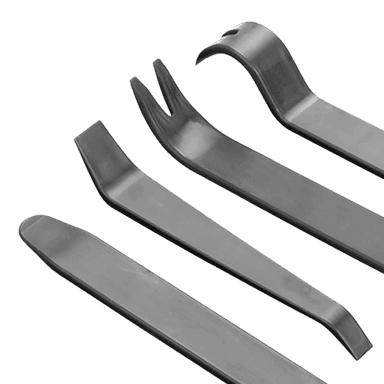
- Flat trim tool
- Gloves
- Safety glasses
🔩 Required Parts
HowToo sells all the parts you need for this repair:
- Front turn signal bulb - Qty: 2
📋 Before You Begin
- Park on level ground and set the parking brake.
- Turn the headlights and ignition off.
- Open the hood and make sure the engine bay is cool.
- Replace both sides if one bulb has failed.
🔨 Step-by-Step Instructions
Follow these steps in order:
Step 1: Open the hood and locate the rear of the headlamp
- Open the hood and find the back side of the headlamp assembly on the side you are servicing.
- Use a 10mm socket and ratchet if any air duct or small cover needs to be loosened for access.
- Set any fasteners aside in a safe place.
Step 2: Remove the turn signal bulb holder
- Reach behind the headlamp and locate the turn signal bulb socket.
- Grip the socket and twist it counterclockwise by hand to unlock it.
- Pull the socket straight out of the headlamp housing.
Step 3: Replace the bulb
- Remove the old bulb from the socket.
- Install the new bulb into the socket using gloves.
- Make sure the bulb is fully seated.
Step 4: Reinstall the socket
- Insert the socket back into the headlamp housing.
- Twist it clockwise by hand until it locks.
- If you removed any cover or duct, reinstall it using the 10mm socket and ratchet.
- Do not overtighten plastic parts.
Step 5: Test the new bulb
- Turn the ignition on and activate the turn signal.
- Check that the front signal flashes correctly.
- Repeat the same steps on the other side if needed.
✅ After Repair
- Walk around the vehicle and confirm both front signals flash at the correct speed.
- Check the headlamp lens area for any loose covers or tools left behind.
- If the new bulb does not work, recheck the socket lock and bulb seating.
💰 DIY vs Shop Cost
Shop Cost: $80-$180 (parts + labor)
DIY Cost: $10-$30 (parts only)
You Save: $70-$150 by doing it yourself!
Shop labor rates vary but typically run $100-$150/hour. This repair takes a shop approximately 0.5-1 hours.
🎯 Ready to get started?
HowToo makes it easy: same-day/2-day shipping on every part, plus all the tools and specialty tools you need! Check out the parts and tools sections below to add everything to your cart.