














How to Replace Front Turn Signal Bulbs on a 2015 Nissan Rogue
Step-by-step DIY guide with tools, parts, access tips, torque specs, and safety checks
How to Replace Front Turn Signal Bulbs on a 2015 Nissan Rogue
Step-by-step DIY guide with tools, parts, access tips, torque specs, and safety checks


🔧 Rogue - Front Turn Signal Bulb Replacement
You’ll be replacing the front turn signal bulbs in the headlight assemblies on your Rogue. The bulb twists out from the back of the headlight and can be swapped without removing the whole headlight.
Difficulty Level: Beginner | Estimated Time: 20–40 minutes
⚠️ Safety & Precautions
- 🔸Turn the ignition off, remove the key, and make sure the light switch is OFF before working near the headlights.
- 🔸Let the engine bay cool down if you were just driving; parts around the headlights can get hot.
- 🔸Avoid touching the glass of any bulb with bare fingers; skin oil can shorten bulb life.
- 🔸No battery disconnect is required, but you may do so for extra safety.
🔧 Required Tools
You'll need the following tools for this repair:
- 🔸10mm socket
- 🔸1/4" drive ratchet
- 🔸3" extension (1/4" drive)
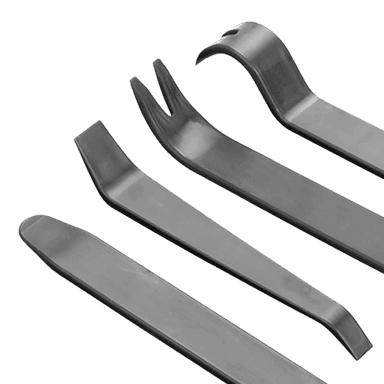
- 🔸Trim clip removal tool (a forked tool for popping plastic clips)
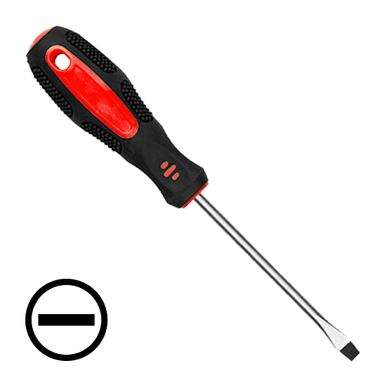
- 🔸Flathead screwdriver (small)
- 🔸Work light or flashlight
- 🔸Mechanic gloves
- 🔸Safety glasses
- 🔸Clean lint‑free cloth
🔩 Required Parts
HowToo sells all the parts you need for this repair:
- 🔸Front turn signal bulb (7440 amber) - Qty: 2 (replace in pairs)
- 🔸Dielectric grease - Qty: 1 small tube
- 🔸Plastic push clips for intake duct/headlight trim - Qty: 4–6 (optional, in case any clips break)
📋 Before You Begin
- 🔸Park the Rogue on level ground, set the parking brake, and turn the engine off.
- 🔸Turn the headlight/turn signal switch to OFF.
- 🔸Open the hood using the hood release inside the cabin and the safety catch under the hood front edge.
- 🔸If you disconnected the battery for any reason, remember: radio presets and clock may reset.
🔨 Step-by-Step Instructions
Follow these steps in order:
Step 1: Identify the front turn signal bulb location
- 🔸Stand in front of the Rogue and look at one headlight; the front turn signal is the amber bulb toward the outer corner of the headlight housing.
- 🔸From inside the engine bay, look behind the headlight at the outer side; you will see a round bulb socket with wires going to it—this is the turn signal socket.
- 🔸Use the work light or flashlight to clearly see the socket and surrounding area.
- 🔸No torque specs are needed for this identification step.
Step 2: Gain access on the driver side
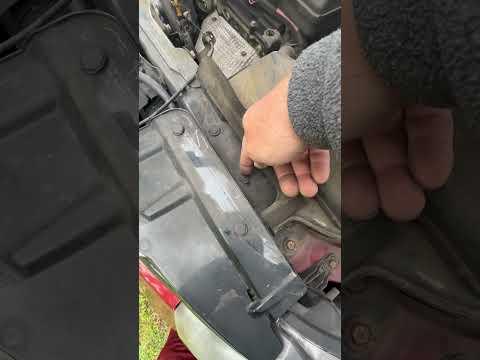
- 🔸On the driver side, access is usually open, but there may be a plastic air intake duct above or near the back of the headlight.
- 🔸If the duct is blocking your hand, use the trim clip removal tool to gently pry up the plastic push clips holding the duct.
- 🔸If there is a 10mm bolt, use a 10mm socket with the 1/4" ratchet to remove it and lift the duct out of the way. Torque to 7–9 Nm (5–7 ft-lbs) when reinstalling later.
- Keep removed clips/bolts in a small container.
Step 3: Gain access on the passenger side
- 🔸On the passenger side, space is tighter due to the windshield washer reservoir and filler neck.
- 🔸If the filler neck is in your way, look for a small 10mm bolt or clip holding it near the top.
- 🔸Use the 10mm socket and ratchet to remove the bolt, or the trim clip removal tool to pop the clip.
- 🔸Gently move the filler neck slightly aside to create more room. Do not pull hard on the hose.
- Torque to 7–9 Nm (5–7 ft-lbs) when reinstalling the bolt later.
Step 4: Remove the front turn signal bulb socket
- 🔸Reach behind the headlight and grasp the turn signal socket (round plastic piece with wires).
- 🔸Turn the socket about a quarter turn counterclockwise by hand; if tight, you can use a clean cloth for better grip.
- 🔸Pull the socket straight out of the headlight housing.
- 🔸No torque spec applies here; the socket is held by twist-lock only.
- Do not force; wiggle gently if stuck.
Step 5: Remove the old bulb
- 🔸With the socket out, you will see the bulb plugged into it.
- 🔸Pull the bulb straight out of the socket with your fingers. If it’s snug, gently rock it while pulling.
- 🔸Inspect the socket for any melted plastic, corrosion, or moisture.
- 🔸If corrosion is present, lightly clean with a clean lint‑free cloth; if badly damaged, the socket may need replacement.
- No torque spec is needed for bulb removal.
Step 6: Prepare and install the new bulb
- 🔸Before handling the new bulb, put on mechanic gloves or use a clean lint‑free cloth to avoid touching the glass.
- 🔸Apply a very small smear of dielectric grease to the bulb’s metal contacts; dielectric grease is a non-conductive paste that helps prevent corrosion.
- 🔸Align the base of the new 7440 amber bulb with the socket and push it straight in until fully seated.
- No torque spec is needed; just ensure the bulb is firmly seated.
- If it feels loose, remove and reinstall.
Step 7: Reinstall the bulb socket into the headlight
- 🔸Guide the bulb and socket back into the opening in the rear of the headlight housing.
- 🔸Line up the tabs on the socket with the slots in the housing.
- 🔸Push the socket in and turn it clockwise about a quarter turn until it stops; this locks it in place.
- 🔸Again, no torque spec here; just ensure it is snug and cannot rotate freely.
Step 8: Repeat on the other side
- 🔸Perform the same bulb removal and installation steps on the other headlight so both front turn signals match in brightness and color.
- 🔸Use the work light or flashlight as needed to see the socket area clearly.
- No torque specs beyond what was mentioned for any bolts/clips.
Step 9: Reinstall any removed ducts, filler neck bolts, or clips
- 🔸Reposition the air intake duct (driver side) or washer filler neck (passenger side) back to their original locations.
- 🔸Reinstall any plastic clips by pushing them straight into their holes by hand.
- 🔸Reinstall any 10mm bolts using the 10mm socket and ratchet. Tighten to 7–9 Nm (5–7 ft-lbs)—this is snug, not heavily tight.
- Do not overtighten plastic-mounted bolts.
Step 10: Test the new bulbs
- 🔸Close the hood latch but you can leave it unlatched for a quick test if you like, just ensure it can’t fall.
- 🔸Turn the ignition to ON (or start the engine) and activate the left and right turn signals one at a time.
- 🔸Walk around the front of the Rogue and confirm both front turn signals flash normally and are similar brightness and color.
- 🔸If a signal flashes very fast or doesn’t work, recheck that the bulb is fully seated in the socket and the socket is locked in the housing.
- No torque specs apply to this testing step.
✅ After Repair
- 🔸Confirm hazard lights (all indicators) work properly from outside the vehicle.
- 🔸Make sure the hood is fully closed and latched securely before driving.
- 🔸If you removed the battery for any reason, reset the clock and radio presets.
- 🔸Check the area around the headlights for any loose tools or parts before driving.
💰 DIY vs Shop Cost
Shop Cost: $80–$140 (parts + labor)
DIY Cost: $10–$25 (parts only)
You Save: $70–$115 by doing it yourself!
Shop labor rates vary but typically run $100–$150/hour. This repair takes a shop approximately 0.5–0.8 hours.
🎯 Ready to get started?
HowToo makes it easy: same-day/2-day shipping on every part, plus all the tools and specialty tools you need! Check out the parts and tools sections above to add everything to your cart.