









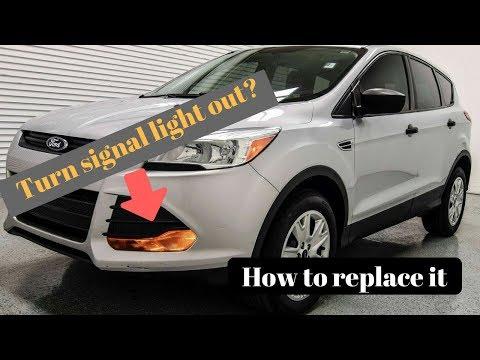




How to Replace Front Turn Signal Bulbs on a 2013 Ford Escape (Wheel-Well Access)
Step-by-step bulb swap with required tools, parts list, safety tips, and proper battery terminal torque spec
How to Replace Front Turn Signal Bulbs on a 2013 Ford Escape (Wheel-Well Access)
Step-by-step bulb swap with required tools, parts list, safety tips, and proper battery terminal torque spec


🔧 Escape - Front Turn Signal Bulb Replacement
You’ll be replacing the amber turn-signal bulbs inside the front headlamp housings. On your Escape, the easiest access is usually through the front wheel-well liner by turning the steering wheel to create working room.
Difficulty Level: Beginner | Estimated Time: 0.5-1.0 hours
⚠️ Safety & Precautions
- Work on level ground, set the parking brake, and keep the key out of the ignition.
- Turn the lights off and let the headlamp area cool before reaching in.
- Do not touch the new bulb’s glass with bare fingers; skin oils can shorten bulb life.
- If you lift the vehicle at any point, support it with jack stands (never rely on the jack alone).
- Battery disconnect is not required, but it’s OK to disconnect the negative terminal if you want extra safety.
🔧 Required Tools
You'll need the following tools for this repair:
- Nitrile gloves
- Safety glasses
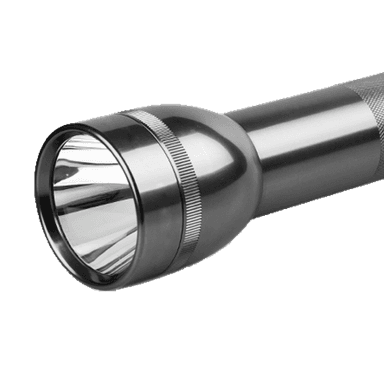
- Flashlight
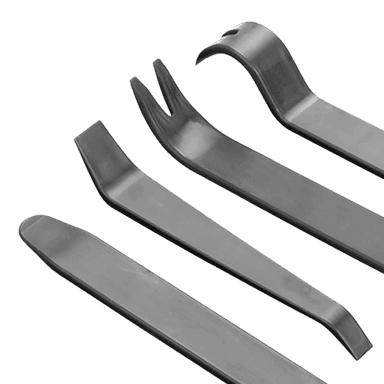
- Flat trim clip tool (specialty)
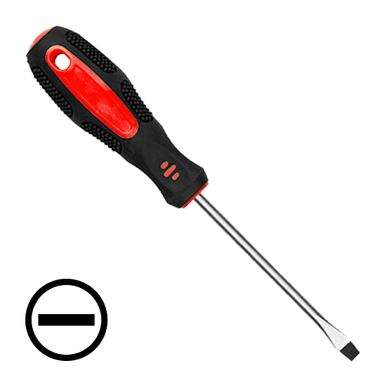
- Small flat-blade screwdriver
- 7mm socket
- 1/4" drive ratchet
- 6" 1/4" drive extension
- 10mm socket
- Floor jack (rated 2-ton minimum)
- Jack stands (rated 2-ton minimum)
- Wheel chocks
🔩 Required Parts
HowToo sells all the parts you need for this repair:
- Front turn signal bulb (amber) - Replace in pairs - Qty: 2
📋 Before You Begin
- Park on level ground, set the parking brake, and place wheel chocks behind the rear tires.
- Turn the steering wheel fully away from the side you’re working on (this opens up space in the wheel well).
- If you choose to disconnect the battery: use a 10mm socket to loosen the negative terminal and move it aside (do not let it spring back).
🔨 Step-by-Step Instructions
Follow these steps in order:
Step 1: Create access at the wheel well
- Turn the steering wheel fully to the side opposite the bulb you’re replacing.
- Use a flashlight to look into the front part of the wheel-well liner (the plastic splash shield).
- If space is too tight, raise that corner with a floor jack (rated 2-ton minimum) and support with jack stands (rated 2-ton minimum).
Step 2: Loosen the front wheel-well liner (splash shield)
- Use a flat trim clip tool (specialty) to pop out the plastic push-clips holding the front portion of the liner.
- If equipped with small screws, remove them using a 7mm socket, 1/4" drive ratchet, and 6" 1/4" drive extension.
- Pull the liner back just enough to reach the back of the headlamp. Only bend it as much as needed.
Step 3: Remove the turn signal bulb socket
- Reach to the back of the headlamp and find the turn signal bulb socket (the socket that twists out).
- Twist the socket counterclockwise by hand and pull it straight out.
- If it’s stuck, use a small flat-blade screwdriver gently for leverage (do not crack the housing).
Step 4: Replace the bulb
- Pull the old bulb straight out of the socket while wearing nitrile gloves.
- Push the new front turn signal bulb (amber) straight into the socket until fully seated.
- If you accidentally touch the bulb glass, wipe it clean and dry before installing.
Step 5: Reinstall the socket and test
- Insert the socket back into the headlamp, then twist clockwise until it locks.
- Turn the ignition on and test that side turn signal and hazards.
- If it doesn’t work, remove the socket and re-seat the bulb.
Step 6: Reinstall the wheel-well liner
- Reposition the liner and reinstall screws using a 7mm socket and 1/4" drive ratchet.
- Reinstall push-clips using the flat trim clip tool (specialty) to align them, then press them in by hand.
Step 7: If disconnected, reconnect the battery
- Reinstall the negative battery terminal using a 10mm socket.
- Torque to 5 Nm (44 in-lbs).
✅ After Repair
- Verify left and right front turn signals work normally and flash at the correct speed.
- Verify hazard lights work and both front corners illuminate evenly.
- Check the wheel-well liner is secured and not rubbing the tire.
💰 DIY vs Shop Cost
Shop Cost: $80-$180 (parts + labor)
DIY Cost: $10-$30 (parts only)
You Save: $70-$150 by doing it yourself!
Shop labor rates vary but typically run $100-$150/hour. This repair takes a shop approximately 0.5-1.0 hours.
🎯 Ready to get started?
HowToo makes it easy: same-day/2-day shipping on every part, plus all the tools and specialty tools you need! Check out the parts and tools sections below to add everything to your cart.