









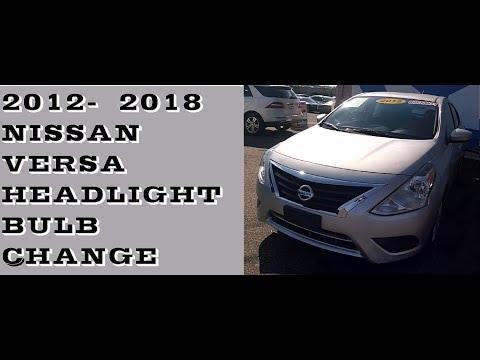





How to Replace Front Turn Signal Bulb on a 2016 Nissan Versa (7440A/7440NA)
Step-by-step bulb swap instructions with tools list, wheel-well access tips, and testing for hyper-flash for 2012, 2013, 2014, 2015, 2016, 2017, 2018, 2019
How to Replace Front Turn Signal Bulb on a 2016 Nissan Versa (7440A/7440NA)
Step-by-step bulb swap instructions with tools list, wheel-well access tips, and testing for hyper-flash for 2012, 2013, 2014, 2015, 2016, 2017, 2018, 2019


🔧 Versa - Front Turn Signal Bulb Replacement
Your Versa’s front turn signal bulb sits inside the headlamp housing. The job is mainly getting access, twisting the bulb socket out, swapping the bulb, and testing that it flashes correctly.
Assumption: Your Versa uses a wedge-base amber front turn signal bulb (commonly 7440A/7440NA); HowToo will match by fitment.
Difficulty Level: Beginner | Estimated Time: 0.3-0.8 hours
⚠️ Safety & Precautions
- ⚠️ Let the headlamp area cool before working (hot bulb/reflector can burn you).
- ⚠️ Turn the lights OFF and remove the key/fob from the car.
- ⚠️ Don’t touch the new bulb glass with bare fingers (skin oils can shorten bulb life).
- ⚠️ If working through the wheel-well, keep hands clear of the tire and suspension.
- 🔋 Battery disconnect is not required for this bulb swap.
🔧 Required Tools
You'll need the following tools for this repair:
- Nitrile gloves
- Safety glasses
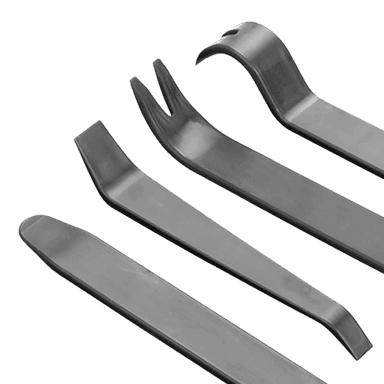
- Plastic trim clip tool
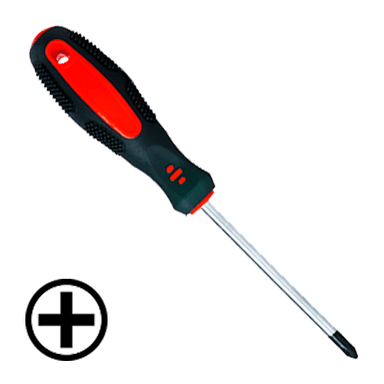
- Phillips #2 screwdriver
- 8mm socket
- 1/4" drive ratchet
- Flashlight
🔩 Required Parts
HowToo sells all the parts you need for this repair:
- Front turn signal bulb (amber, wedge-base) - Qty: 1
📋 Before You Begin
- Park on level ground and set the parking brake.
- Turn the steering wheel away from the side you’re replacing (this gives your hand more room at the wheel-well).
- Have your flashlight ready so you can clearly see the bulb socket tabs.
🔨 Step-by-Step Instructions
Follow these steps in order:
Step 1: Choose your access path
- Use a flashlight to look behind the headlamp from the engine bay.
- If your hand fits, you can replace the bulb from behind the headlamp.
- If it’s too tight, use the wheel-well access method below (most common).
Step 2: Wheel-well access (most common)
- Turn the steering wheel fully to the opposite side to open space in the fender liner.
- Use a plastic trim clip tool to pop out the plastic push-clips from the front section of the fender liner (these are the “buttons” holding the liner).
- If equipped with screws, remove them using an 8mm socket with a 1/4" drive ratchet or a Phillips #2 screwdriver (varies by fastener style).
- Pull the liner back just enough to reach the back of the headlamp. Don’t crease the liner sharply.
Step 3: Remove the turn signal bulb socket
- Locate the turn signal socket at the back of the headlamp (it’s a round twist-lock socket).
- Grip the socket and twist it counterclockwise about 1/4 turn by hand, then pull it straight out.
- If it’s slippery, wear nitrile gloves for better grip.
Step 4: Replace the bulb
- Pull the old bulb straight out of the socket (it’s a “wedge” bulb, meaning it just pulls out—no twisting).
- Install the new bulb by pushing it straight into the socket until fully seated.
- Avoid touching the bulb glass with bare hands; use nitrile gloves.
Step 5: Reinstall the socket and test
- Insert the socket back into the headlamp opening.
- Twist clockwise about 1/4 turn until it locks in place (snug by hand—do not over-tighten).
- Turn the ignition to ON and switch on the turn signal to confirm it flashes normally.
- If it “hyper-flashes” (very fast), the bulb may be wrong type or not seated fully—remove and re-seat the bulb and socket.
Step 6: Reinstall the fender liner fasteners
- Position the liner back into place.
- Reinstall screws using an 8mm socket with a 1/4" drive ratchet and/or a Phillips #2 screwdriver.
- Reinstall push-clips by pressing them back in by hand; use the plastic trim clip tool only if needed to align them.
✅ After Repair
- Verify front turn signal, hazards, and parking lights all work on that side.
- Walk around the car and confirm the blink rate matches the other side.
- If the bulb was replaced due to water inside the lens, inspect for moisture and consider checking the rear access cover/seal seating.
💰 DIY vs Shop Cost
Shop Cost: $40-$120 (parts + labor)
DIY Cost: $5-$20 (parts only)
You Save: $35-$100 by doing it yourself!
Shop labor rates vary but typically run $100-$150/hour. This repair takes a shop approximately 0.3-0.8 hours.
🎯 Ready to get started?
HowToo makes it easy: same-day/2-day shipping on every part, plus all the tools and specialty tools you need! Check out the parts and tools sections below to add everything to your cart.