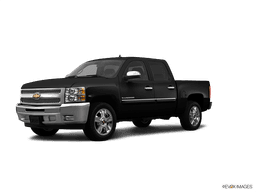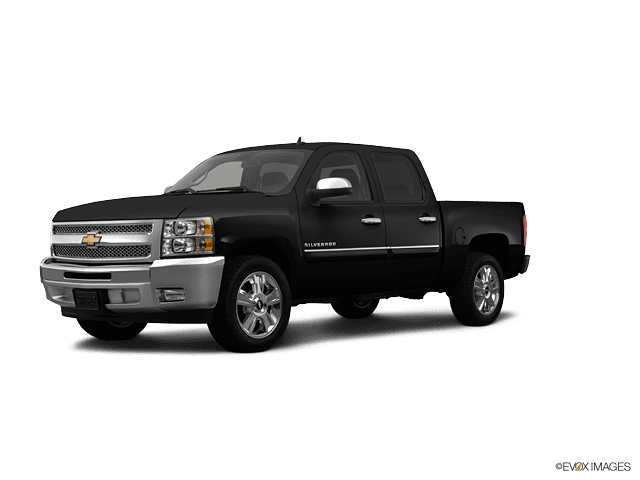














How to Replace Front Struts on a 2012 Chevy Silverado 1500
Step-by-step DIY strut replacement with tools, parts list, torque specs, safety tips, and cost savings for 2007, 2008, 2009, 2010, 2011, 2012, 2013
How to Replace Front Struts on a 2012 Chevy Silverado 1500
Step-by-step DIY strut replacement with tools, parts list, torque specs, safety tips, and cost savings for 2007, 2008, 2009, 2010, 2011, 2012, 2013


🔧 Silverado 1500 - Strut Replacement
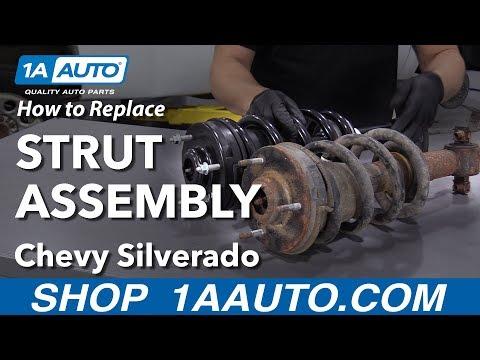
On your Silverado, the front “coil-over” units are called struts, and they support the front suspension and control ride height. You’ll remove the complete strut assembly, swap it with a new loaded assembly (recommended), and then reinstall it so the truck rides and handles correctly.
Difficulty Level: Intermediate | Estimated Time: 3–4 hours for both fronts
⚠️ Safety & Precautions
- ⚠️ Support the truck with jack stands, never rely only on a floor jack.
- ⚠️ Work on a level, solid surface and chock the rear wheels so the truck cannot roll.
- ⚠️ The front suspension is heavy; keep fingers clear of pinch points when lowering or raising control arms.
- ⚠️ For the hybrid system, you are not touching the high‑voltage components, so do not open any orange cables or covers.
- ⚠️ If using a coil spring compressor (tool that squeezes the spring), follow its instructions exactly; compressed springs store a lot of energy.
- ⚠️ Always wear safety glasses and mechanic gloves.
🔧 Required Tools
You'll need the following tools for this repair:
- 🛠️ Floor jack (3-ton rated minimum)
- 🛠️ Jack stands (3-ton rated, pair)
- 🛠️ Wheel chocks
- 🛠️ Lug wrench 22mm
- 🛠️ Socket set 10–24mm
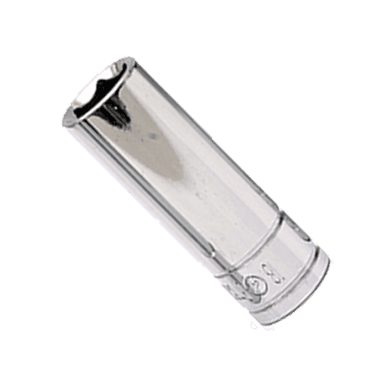
- 🛠️ Deep socket 21mm
- 🛠️ Combination wrench set 10–24mm
- 🛠️ Breaker bar 1/2"
- 🛠️ Torque wrench 10–200 Nm range
- 🛠️ Pry bar 18–24"
- 🛠️ Hammer 16oz
- 🛠️ Needle-nose pliers
- 🛠️ Trim clip removal tool
- 🛠️ Allen key set metric
- 🛠️ Penetrating oil spray
- 🛠️ Wire brush small
- 🛠️ Coil spring compressor (specialty)
- 🛠️ Paint marker or white correction pen
- 🛠️ Safety glasses
- 🛠️ Mechanic gloves
🔩 Required Parts
HowToo sells all the parts you need for this repair:
- 🔩 Front loaded strut assembly, left - Qty: 1
- 🔩 Front loaded strut assembly, right - Qty: 1
- 🔩 New front upper strut mount nuts - Qty: 6
- 🔩 New front lower strut bolts and nuts - Qty: 4
- 🔩 Penetrating oil spray - Qty: 1
- 🔩 Anti-seize compound - Qty: 1
Use loaded struts so you avoid compressing springs.
📋 Before You Begin
- Park the Silverado on level ground, set the parking brake, and place wheel chocks behind the rear wheels.
- Loosen front wheel lug nuts 1/2 turn with the 22mm lug wrench before lifting the truck.
- You do not need to disconnect the 12V battery for this job because you are not working near electrical connectors or airbags.
- Plan to get a wheel alignment after replacing the struts; this is important for tire life and steering feel.
🔨 Step-by-Step Instructions
Follow these steps in order:
Step 1: Lift and secure the front of the truck
- Loosen each front wheel’s lug nuts 1/2 turn using the 22mm lug wrench.
- Place the floor jack under the front frame crossmember and lift the front of the truck until the front wheels are off the ground.
- Position jack stands under the left and right frame rails and slowly lower the truck onto them with the floor jack.
- Remove the front wheels completely with the 22mm lug wrench.
- Give the truck a shake to confirm it’s stable.
Step 2: Locate the front strut assembly
- The strut sits between the lower control arm and the frame tower, with the coil spring wrapped around it.
- Spray all visible strut mounting nuts and bolts with penetrating oil to help them loosen later.
Step 3: Mark positions to help reassembly
- Use a paint marker to mark the relationship between the lower strut mount and the lower control arm.
- Mark the upper mount orientation (front/back) on the strut tower under the hood with the paint marker.
- Marks help keep the new strut clocked correctly.
Step 4: Support the lower control arm
- Place the floor jack under the lower control arm close to the ball joint and lift slightly so it just supports the arm (do not raise the truck off the stands).
- This removes tension from the strut bolts and keeps the suspension from dropping suddenly.
Step 5: Disconnect any brackets on the strut body
- If there are brake hose or ABS wire brackets attached to the strut, remove their bolts using the appropriate 10–13mm socket and ratchet.
- Use the trim clip removal tool to gently release any plastic clips from the strut.
- Move hoses and wires aside so they are not stretched or pinched.
Step 6: Remove the lower strut bolts
- At the bottom of the strut, remove the two mounting bolts that pass through the lower control arm using a 21mm socket on a breaker bar and a 21mm wrench on the nut.
- Tap the bolts out gently with the hammer if they are stuck.
- Support the lower control arm with the floor jack so it does not drop when the bolts come out.
- Factory torque when reassembling: 175 Nm (129 ft-lbs) for the lower strut mounting bolts.
Step 7: Remove upper strut mount nuts
- Open the hood and locate the three upper strut mount nuts on the strut tower.
- Using a 18mm deep socket and ratchet, remove the three nuts, but leave one nut threaded on a few turns until you are ready to drop the strut.
- Hold the strut from below with one hand (or a helper) and remove the last nut with the 18mm deep socket.
- Carefully lower the strut assembly out of the wheel well.
- Factory torque when reassembling: 64 Nm (47 ft-lbs) for the upper mount nuts.
Step 8: Decide if you are swapping a loaded assembly or reusing the spring
- If you bought a loaded strut assembly (includes new spring and mount), skip to Step 10.
- If you must reuse your original spring, you will need the coil spring compressor and follow Step 9 carefully.
Step 9: (Only if reusing spring) Transfer spring to new strut
- Install the coil spring compressor onto opposite sides of the spring following its instructions.
- Evenly tighten both sides using the appropriate socket until the spring is slightly loose from the top and bottom seats.
- Remove the top nut from the strut shaft using the correct socket and holding the shaft with an Allen key if required.
- Lift off the upper mount and carefully remove the spring.
- Place the spring onto the new strut so the end of the coil sits in the same position as on the old one.
- Install the upper mount onto the new strut and tighten the shaft nut with the socket and Allen key.
- Slowly release the coil spring compressor, alternating sides, until the spring is fully seated.
- Torque the strut shaft nut: 70 Nm (52 ft-lbs).
- If unsure, use loaded assemblies instead for safety.
Step 10: Install the new strut assembly in the tower
- Position the new strut into the wheel well and guide the upper studs through the holes in the strut tower.
- Thread the three new upper nuts on by hand using your fingers, then snug them with an 18mm deep socket (do not fully tighten yet).
- Align the orientation marks you made earlier with the paint marker.
Step 11: Attach the lower strut mount to the control arm
- Raise or lower the lower control arm slightly with the floor jack so the strut’s lower holes line up with the control arm holes.
- Slide the new lower bolts through by hand; you may use a pry bar to gently move the control arm if needed.
- Install the new nuts and tighten them snugly with a 21mm socket and 21mm wrench.
- With the lower control arm still supported at normal ride height (use the floor jack to raise it slightly), torque the bolts to 175 Nm (129 ft-lbs) using the torque wrench.
Step 12: Torque the upper strut mount nuts
- With the lower bolts torqued, go back under the hood.
- Use the 18mm deep socket and torque wrench to torque each upper nut to 64 Nm (47 ft-lbs).
Step 13: Reattach brackets and clips
- Reinstall any brake hose or ABS wire brackets you removed earlier using the correct 10–13mm socket.
- Push plastic clips back into place using your fingers or the trim clip removal tool if needed.
- Make sure no hose or wire is twisted or pulled tight.
Step 14: Repeat on the other side
- Repeat Steps 2–13 for the other front strut.
- Always replace struts in pairs for even handling.
Step 15: Reinstall wheels and lower the truck
- Install the front wheels and hand‑tighten the lug nuts with the 22mm lug wrench.
- Raise the truck slightly with the floor jack to remove the jack stands, then lower the truck fully to the ground.
- Torque the lug nuts in a star pattern to 190 Nm (140 ft-lbs) using the torque wrench and 22mm socket.
✅ After Repair
- 🚗 Take a short, gentle test drive on a smooth road and listen for clunks or rattles from the front suspension.
- 🔍 Recheck the torque of the lug nuts with the torque wrench after the test drive.
- 📏 Schedule a four-wheel alignment as soon as possible to keep steering centered and prevent uneven tire wear.
- 👀 Over the next few days, visually inspect the strut mounting points for any movement or loose hardware.
💰 DIY vs Shop Cost
Shop Cost: $650–$1,000 (parts + labor for both front struts)
DIY Cost: $250–$450 (parts only, using loaded struts)
You Save: $400–$550 by doing it yourself!
Shop labor rates typically run $100–$150/hour. This repair takes a shop about 2–3 hours.
🎯 Ready to get started?
HowToo makes it easy: same-day/2-day shipping on every part, plus all the tools and specialty tools you need! Check out the parts and tools sections above to add everything to your cart.