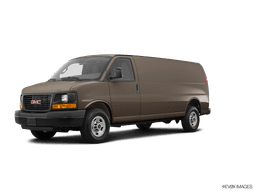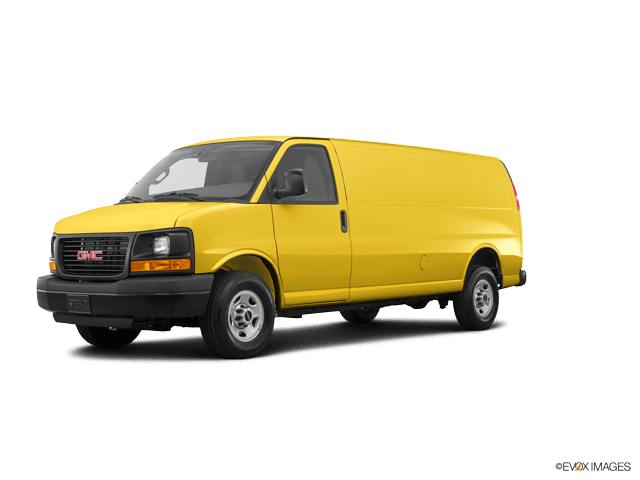









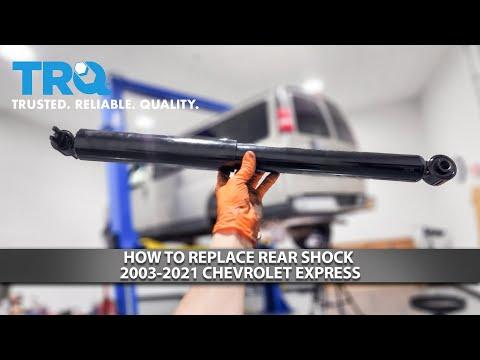






How to Replace Front & Rear Shock Absorbers on a 2016 GMC Savana 2500
Step-by-step shock replacement with tools/parts lists, safety tips, and factory torque spec guidance for 2003, 2004, 2005, 2006, 2007, 2008, 2009, 2010, 2011, 2012, 2013, 2014, 2015, 2016, 2017, 2018, 2019, 2020, 2021, 2022, 2023, 2024
How to Replace Front & Rear Shock Absorbers on a 2016 GMC Savana 2500
Step-by-step shock replacement with tools/parts lists, safety tips, and factory torque spec guidance for 2003, 2004, 2005, 2006, 2007, 2008, 2009, 2010, 2011, 2012, 2013, 2014, 2015, 2016, 2017, 2018, 2019, 2020, 2021, 2022, 2023, 2024


🔧 Savana - Front & Rear “Strut” (Shock Absorber) Replacement
Your Savana does not use struts. It uses shock absorbers (front and rear) with torsion-bar front suspension and rear leaf springs.
This job replaces the shocks to restore ride control, reduce bouncing, and improve braking stability.
Difficulty Level: Intermediate | Estimated Time: 1.5-3.0 hours
Assumption: Stock suspension height and hardware.
⚠️ Safety & Precautions
- ⚠️ Support the van with jack stands; never rely on a floor jack.
- ⚠️ Let the exhaust and suspension cool before working near them.
- ⚠️ Wear safety glasses; rust flakes fall when bolts break loose.
- ⚠️ Do not loosen or adjust torsion bar adjusters; they are spring preload devices.
- ⚠️ If a bolt fights you, stop and use penetrating oil; snapped shock bolts are a major delay.
🔧 Required Tools
You'll need the following tools for this repair:
- Floor jack (rated 3-ton minimum)
- Jack stands (rated 3-ton minimum)
- Wheel chocks
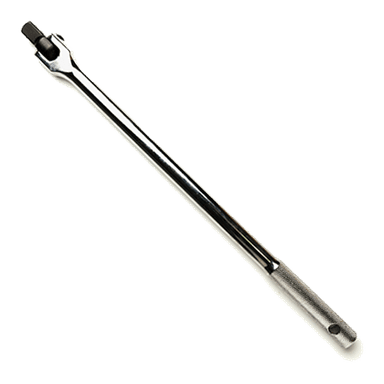
- Breaker bar 1/2"
- Torque wrench 1/2" drive
- Ratchet 3/8" drive
- Socket set metric 10mm-24mm
- Socket set SAE 3/8"-7/8"
- Wrench set metric 10mm-24mm
- Wrench set SAE 3/8"-7/8"
- Extensions 3/8" drive (3", 6")
- Pry bar 18"
- Needle-nose pliers
- Wire brush
- Penetrating oil
- Threadlocker medium strength
- Paint marker
- Work gloves
- Safety glasses
🔩 Required Parts
HowToo sells all the parts you need for this repair:
- Front shock absorbers - Replace in pairs - Qty: 2
- Rear shock absorbers - Replace in pairs - Qty: 2
- Front shock mounting hardware kit - Optional but recommended - Qty: 1
- Rear shock mounting hardware kit - Optional but recommended - Qty: 1
📋 Before You Begin
- Park on level ground, shift to P, and set the parking brake.
- Place wheel chocks at the tires staying on the ground.
- Soak all shock mounting nuts/bolts with penetrating oil for 10–15 minutes.
- Use a paint marker to mark which shock came from which corner if you’re comparing parts.
🔨 Step-by-Step Instructions
Follow these steps in order:
Step 1: Lift and support the front
- Chock the rear wheels using wheel chocks.
- Lift the front at a solid crossmember using a floor jack (rated 3-ton minimum).
- Set the frame onto jack stands (rated 3-ton minimum).
- Remove both front wheels using the correct socket set metric 10mm-24mm or socket set SAE 3/8"-7/8".
Step 2: Remove the front shock (one side at a time)
- Locate the shock: it’s the cylinder between the lower control arm and the upper mount.
- Clean exposed threads with a wire brush.
- Hold the shock shaft/upper hardware as needed with a wrench set metric 10mm-24mm or wrench set SAE 3/8"-7/8", and remove the upper nut using a ratchet 3/8" drive and socket set metric 10mm-24mm or socket set SAE 3/8"-7/8".
- Remove the lower shock bolt/nut using a breaker bar 1/2" and appropriate socket set plus a matching wrench set to hold the opposite side.
- Pull the shock out; use an 18" pry bar if it’s stuck in the mount.
- Bounce control test: bad shocks leak oil.
Step 3: Install the new front shock
- Compare old vs new length and mounts before installing.
- Position the new shock into the mounts by hand.
- Start the lower bolt by hand using your socket set and wrench set.
- Install the upper bushings/washer/nut (if equipped) and snug using a ratchet 3/8" drive and socket set.
- Tighten fasteners with a torque wrench 1/2" drive: Torque to factory specification.
- Apply threadlocker medium strength only if your replacement hardware instructions call for it.
- Tip: Tighten rubber bushings to spec, not crushed.
Step 4: Reinstall front wheels and lower
- Reinstall wheels using the correct socket set.
- Lower the van from jack stands using the floor jack.
- Tighten lug nuts with a torque wrench 1/2" drive: Torque to the door-jamb tire/lug specification.
Step 5: Lift and support the rear
- Chock the front wheels using wheel chocks.
- Lift the rear under the axle housing using a floor jack (rated 3-ton minimum).
- Place jack stands (rated 3-ton minimum) under the frame rails, then lightly support the axle with the jack.
Step 6: Remove the rear shock (one side at a time)
- Rear shocks mount between the axle bracket (lower) and the frame bracket (upper).
- Brush and oil the fasteners using a wire brush and penetrating oil.
- Remove the lower bolt/nut using a breaker bar 1/2", correct socket set, and a matching wrench set.
- Remove the upper bolt/nut using a ratchet 3/8" drive, extensions 3/8" drive (3", 6"), and correct socket set.
- Remove the shock; use an 18" pry bar if needed.
Step 7: Install the new rear shock
- Install the upper mount first by hand-starting the bolt using a ratchet 3/8" drive and extensions 3/8" drive (3", 6").
- Install the lower bolt next; you may need to raise/lower the axle slightly using the floor jack to align holes.
- Tighten fasteners with a torque wrench 1/2" drive: Torque to factory specification.
- Tip: Align holes with the jack, not a hammer.
Step 8: Lower the rear
- Remove tools from under the van.
- Lower the axle slightly, remove jack stands, then lower fully using the floor jack.
✅ After Repair
- Road test at low speed first; listen for clunks over small bumps.
- Recheck that all shock bolts are tight using a torque wrench 1/2" drive: Verify factory specification.
- Inspect for any contact with brake hoses/ABS wiring near the shock mounts.
- Replacing shocks does not usually require an alignment, but get one if you notice pulling or uneven tire wear.
💰 DIY vs Shop Cost
Shop Cost: $450-$950 (parts + labor)
DIY Cost: $160-$450 (parts only)
You Save: $290-$500 by doing it yourself!
Shop labor rates vary but typically run $100-$150/hour. This repair takes a shop approximately 1.5-3.0 hours.
🎯 Ready to get started?
HowToo makes it easy: same-day/2-day shipping on every part, plus all the tools and specialty tools you need! Check out the parts and tools sections below to add everything to your cart.