













How to Replace Front Brake Pads on a 2022 Ram 1500 Classic 3.6L
Step-by-step DIY front brake pad change with tools, torque specs, safety tips, and break-in procedure for 2019, 2020, 2021, 2022, 2023, 2024
How to Replace Front Brake Pads on a 2022 Ram 1500 Classic 3.6L
Step-by-step DIY front brake pad change with tools, torque specs, safety tips, and break-in procedure for 2019, 2020, 2021, 2022, 2023, 2024


1500 Classic - Front Brake Pad Replacement 🛠️
Got it—you want to replace the front brake pads on your 2022 1500 Classic SLT 4WD (3.6L). I’ll walk you through it step by step in beginner-friendly language.
Quick questions before we start:
- 🧱 Do you plan to replace the front rotors too, or just pads for now?
- 🧰 Do you have a floor jack and jack stands available?
I’ll assume: front pads only, rotors reused, and you have basic tools. If that’s wrong, tell me and I’ll adjust.
Tools & Supplies Needed 🧰
- 🛠️ Floor jack and 2 jack stands
- Floor jack = hydraulic jack that lifts the truck.
- Jack stand = metal stand that safely holds the truck up.
- 🛠️ Wheel chocks (blocks behind tires so the truck can’t roll)
- 🛠️ Lug wrench or impact gun with 22 mm socket (for wheel nuts)
- 🛠️ Socket set:
- 13 mm socket (front caliper guide pin bolts)
- 21 mm socket (caliper bracket bolts)
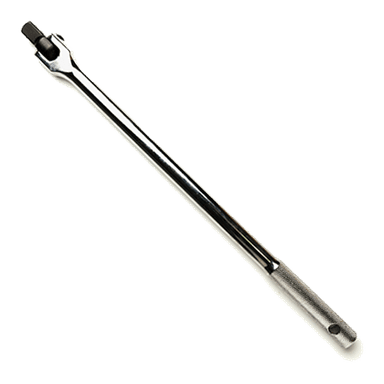
- Ratchet and breaker bar (long handle for tight bolts)
- 🛠️ Torque wrench (tool that lets you tighten bolts to a specific torque)
- 🛠️ C-clamp or disc brake piston compressor tool (to push the caliper piston back)
- 🛠️ Flat screwdriver or small pry bar
- 🛠️ Wire brush (to clean rust from the bracket)
- 🛠️ Bungee cord or strong wire (to hang the caliper)
- 🛠️ Brake cleaner spray
- 🛠️ High-temp brake grease (for pad contact points and slide pins)
- 🛠️ Shop towels / rags and disposable gloves
- 🛠️ New front brake pads for your 1500 Classic (with new hardware clips if included)
Key Torque Specs 🔧
- 🧩 Front wheel lug nuts: 130 ft-lb (176 N·m)
- 🧩 Front caliper guide pin bolts (13 mm): 26 ft-lb (35 N·m)
- 🧩 Front caliper bracket bolts (21 mm): 130 ft-lb (176 N·m)
Use the torque wrench for these—too loose or too tight can cause problems.
Safety First ⚠️
- 🦺 Work on a flat, solid surface, not dirt or a slope.
- 🦺 Always support the truck with jack stands, never just the jack.
- 🦺 Keep the truck in PARK with the parking brake ON and chock the rear wheels.
- 🦺 Do both front wheels in the same job so braking stays balanced.
- 🦺 Don’t open the driver door and pump the brake pedal while a caliper is off.
Step 1 – Prep the Truck 🧱
- 🛞 Loosen front lug nuts (22 mm) about 1 turn while the truck is still on the ground.
- 🛞 Place wheel chocks behind both rear wheels.
- 🛞 Position the floor jack under the front frame crossmember or front jacking point (just behind the front bumper, center of the truck).
- 🛞 Lift the front until both front wheels are off the ground.
- 🛞 Place jack stands under the frame rails on each side and gently lower the truck onto them.
- 🛞 Remove the front wheels completely and set them aside.
Step 2 – Access the Front Caliper 🔍
- 🔧 Turn the steering wheel (with engine off) to give better access:
- Left wheel: turn steering to the right.
- Right wheel: turn steering to the left.
- 🔧 On the back of the caliper you’ll see two 13 mm guide pin bolts (top and bottom).
- 🔧 Use the 13 mm socket and ratchet to remove both guide pin bolts.
- 🔧 Gently pry the caliper away from the pads using a flat screwdriver if it’s stuck.
- 🔧 Lift the caliper off the rotor and hang it with a bungee cord from the coil spring or frame. Do not let it hang by the rubber brake hose.
Step 3 – Remove Old Pads & Hardware 🧹
- 🧰 Slide the inner and outer pads out of the caliper bracket.
- 🧰 If your pads have wear indicators (small metal tabs), note their position (usually on the inner pad, leading edge).
- 🧰 Remove the stainless steel clips (hardware) from the caliper bracket if your new pads come with new clips.
- 🧰 Use a wire brush to clean the pad contact areas on the bracket where the clips sit. Remove rust so the new pads can slide freely.
- 🧰 Spray the area with brake cleaner and wipe with a rag. Avoid breathing the dust.
Step 4 – Inspect Rotor & Slide Pins 👀
- 🔍 Check the rotor surface:
- Deep grooves, cracks, or heavy lip on the edge = rotor should be replaced or machined.
- 🔍 On the caliper bracket, pull out the slide pins (the smooth pins the 13 mm bolts thread into):
- They should move smoothly and be coated in grease.
- If dry, rusty, or stuck, clean them with brake cleaner and re-grease.
- 🔍 Apply a thin coat of high-temp brake grease to the slide pins and reinstall them with their rubber boots fully seated.
Step 5 – Install New Hardware & Pads 🧩
- 🧱 Install the new stainless hardware clips into the caliper bracket. Make sure they snap fully into place.
- 🧱 Apply a very thin layer of brake grease on the areas of the clips where the pad ears will touch. Do not get grease on the pad friction surface or rotor.
- 🧱 Compare old and new pads to confirm:
- Same shape and size.
- Wear indicator tab in the same position (if present).
- 🧱 Install the inner pad into the bracket (the one that faces the piston side of the caliper).
- 🧱 Install the outer pad into the bracket (wheel side).
Step 6 – Compress the Caliper Piston 🔄
- 🧯 Open the hood and locate the brake fluid reservoir (on the driver side near the firewall). If fluid is at the very top, you may need to remove a little with a clean syringe or turkey baster so it doesn’t overflow.
- 🧯 Take the caliper you hung and place an old brake pad over the piston face.
- 🧯 Use a C-clamp or piston tool between the back of the caliper and the old pad to slowly push the piston all the way back into the caliper. Go slowly to avoid damaging seals.
- 🧯 Once fully compressed, remove the clamp and old pad.
Step 7 – Reinstall Caliper 🧷
- 🛠️ Swing the caliper back over the new pads and onto the bracket.
- 🛠️ Make sure the slide pin boots are not twisted and the caliper sits flat.
- 🛠️ Reinstall the two 13 mm guide pin bolts by hand first to avoid cross-threading.
- 🛠️ Tighten them with the ratchet, then torque to 26 ft-lb (35 N·m) with the torque wrench.
Repeat Steps 2–7 on the other front wheel.
Step 8 – Reinstall Wheels & Lower Truck 🚗
- 🛞 Put the wheels back on and hand-thread all lug nuts.
- 🛞 Snug the lug nuts in a star pattern with the wheel still in the air (don’t fully torque yet).
- 🛞 Jack the truck slightly, remove the jack stands, and lower the truck to the ground.
- 🛞 Torque the lug nuts in a star pattern to 130 ft-lb (176 N·m).
Step 9 – Pump Brakes & Check Fluid 🧪
- 🦶 Sit in the driver seat and pump the brake pedal slowly 10–15 times until it feels firm. This seats the pads against the rotors.
- 🧪 Recheck the brake fluid level in the reservoir and adjust to the “MAX” line if needed.
- 🧪 Check around both front calipers for any leaks or loose parts.
Step 10 – Bed-In (Break-In) the New Pads 🛣️
- 🚦 In a safe area, perform:
- 5–6 stops from about 30 mph down to 5–10 mph with medium brake pressure. Let the brakes cool for 30–60 seconds between stops.
- Then 2–3 slightly harder stops from 40–45 mph down to 10 mph, again with cool-down time.
- 🚦 Avoid hard panic stops or towing for the first 200–300 km if possible.
Common Beginner Mistakes to Avoid ❗
- ⚙️ Letting the caliper hang by the hose → always hang it with a bungee.
- ⚙️ Getting grease on pad or rotor → if it happens, clean with brake cleaner.
- ⚙️ Forgetting to torque bolts and lug nuts → use the torque wrench.
- ⚙️ Driving before pumping the pedal → always pump until firm before moving.
Want Parts & Tools? 🧾
I’ll show you pads, brake grease, brake cleaner, a torque wrench, and a piston tool from HowToo below this answer. You can add them to your cart from the tools and parts section.
If you tell me whether you’re also replacing the front rotors, I can add a short extra section for that too.
HowToo makes it easy: same-day/2-day shipping on every part, plus all the tools and specialty tools you need! 🚚