














Howtoo Logo
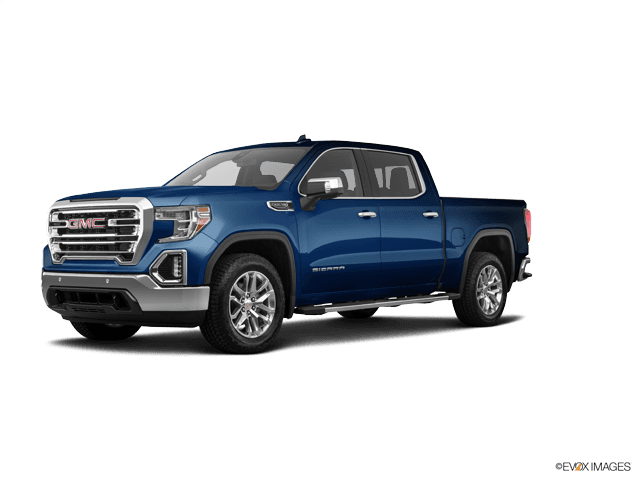
2019 GMC Sierra 1500
SLT - V8 5.3L
Bryan specialist avatar

Have a Question? Ask a Specialist

Here is everything needed for this repair

See what I can do

Make Money

With HowToo

OnOff

Here is just the beginning of what I can do!

Select one to see me in action

Vehicle Features

Image Vehicle Features

How do I connect my phone to my stereo?

Vehicle Information

Image Vehicle Information

What is my horsepower and torque

Image Recognition

Image Image Recognition

What is this warning light on my dash?

Troubleshooting

Image Troubleshooting

I have a P0300 engine code

Vehicle Recognition

Image Vehicle Recognition

What vehicle is this?

Find shops near you

Image Find shops near you

Find a shop to do this repair

Vehicle Talk

Image Vehicle Talk

What’s your favorite vehicle of all time?

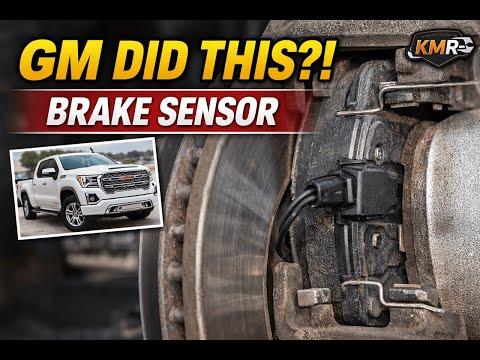
2019–2024 Chevy Silverado GMC Sierra Chevy Tahoe front brake replacement

2019–2024 Chevy Silverado GMC Sierra Chevy Tahoe front brake replacement

Suggested Parts

See all parts background
See All Parts

Tools & Fluids

3 Ton
3 Ton
Floor Jack
3 Ton
3 Ton
Jack Stands
Wheel Chocks
Wheel Chocks
1/2
1/2
Breaker Bar
1/2
1/2
Torque Wrench
See all parts background
See All Tools

How to Replace Front Brake Pads on a 2019 GMC Sierra 1500

Step-by-step DIY front brake pad change with tools, parts list, torque specs, safety tips, and cost savings

How to Replace Front Brake Pads on a 2019 GMC Sierra 1500

Step-by-step DIY front brake pad change with tools, parts list, torque specs, safety tips, and cost savings

Orion Logo White
Orion Logo White

🔧 Sierra 1500 - Front Brake Pad Replacement

You’ll remove the front wheels, take off the brake calipers, swap the pads, and push the pistons back so the new pads fit. This restores braking performance and reduces noise if your pads are worn or squealing.

Difficulty Level: Beginner | Estimated Time: 1.5–2.5 hours


⚠️ Safety & Precautions

  • 🧯 Always support your Sierra 1500 with jack stands; never rely on a floor jack alone.
  • 🧤 Wear safety glasses and mechanic gloves; brake dust and metal edges can injure you.
  • 🔥 Brakes can get extremely hot; only work on them when they are completely cool.
  • 🛑 Do one front side at a time so you can look at the other side as a reference.
  • 🧼 Do not press the brake pedal with a caliper removed; it can push pistons out.
  • 🔌 Battery disconnect is not required for front pad replacement on your Sierra 1500.

🔧 Required Tools

You'll need the following tools for this repair:

  • 🛠️ Floor jack (rated 3-ton minimum)
  • 🛠️ Jack stands (rated 3-ton minimum, Qty: 2)
  • 🛠️ Wheel chocks
  • 🛠️ Breaker bar 1/2" (long handle bar for stubborn bolts)
  • 🛠️ Torque wrench 1/2" drive (10–150 ft-lbs range) (tightens bolts to exact spec)
  • 🛠️ Socket 22mm (front wheel lug nuts)
  • 🛠️ Socket 18mm (front caliper bracket bolts)
  • 🛠️ Socket 13mm (front caliper slide pin bolts; some trucks may be 13mm)
  • 🛠️ Ratchet 3/8" drive
  • 🛠️ Ratchet 1/2" drive
  • 🛠️ C-clamp 6" or larger (tool that squeezes the caliper piston back)
  • 🛠️ Flathead screwdriver medium
  • 🛠️ Wire brush small (to clean rust from the bracket)
  • 🛠️ Bungee cord or strong wire (to hang caliper)
  • 🛠️ Shop rags
  • 🛠️ Safety glasses
  • 🛠️ Mechanic gloves
  • 🛠️ Flashlight

🔩 Required Parts

HowToo sells all the parts you need for this repair:

  • 🧩 Front brake pad set (ceramic or semi-metallic, left and right) - Qty: 1 set
  • 🧩 Front brake hardware kit (pad abutment clips / anti-rattle clips) - Qty: 1 set
  • 🧩 Brake grease (high-temp, silicone or synthetic) - Qty: 1 small tube
  • 🧩 Brake cleaner spray - Qty: 1–2 cans
  • 🧩 Front brake rotors - Qty: 2 (optional but recommended if heavily worn, grooved, or below spec)
  • 🧩 Anti-seize compound - Qty: 1 small tube (optional for hub and wheel mating surfaces)
  • 🧩 Disposable gloves - Qty: 1 box

📋 Before You Begin

  • 🚗 Park your Sierra 1500 on a flat, solid surface. Put the transmission in PARK and set the parking brake.
  • 🧱 Place wheel chocks behind both rear wheels to prevent rolling.
  • 📦 Lay out tools and parts so you are not searching mid-job.
  • 🧼 Crack the front wheel lug nuts loose slightly while the truck is still on the ground.
  • 📏 If possible, have a simple ruler or tape to compare old vs new pad thickness.

🔨 Step-by-Step Instructions

Follow these steps in order:

Step 1: Loosen Front Lug Nuts

  • Use the 22mm socket and 1/2" breaker bar to loosen each front wheel lug nut about one turn while the truck is on the ground.
  • Do not remove them completely yet; just break them loose.
  • Loosening on the ground prevents the wheel from spinning.

Step 2: Lift and Support the Front of the Truck

  • Place the floor jack under the front frame crossmember or approved front jacking point in the center.
  • Pump the jack handle until the front wheels are off the ground.
  • Place jack stands under the left and right frame rails, then slowly lower the truck onto the stands with the floor jack.
  • Give the truck a gentle push to be sure it is stable on the stands.

Step 3: Remove Front Wheels

  • Use the 22mm socket and 1/2" ratchet to remove the loosened lug nuts completely on one front wheel.
  • Remove the wheel and set it aside.
  • Repeat for the other front wheel only after finishing the first side if you prefer working one side at a time.

Step 4: Inspect the Brake Assembly

  • Use a flashlight to look at the caliper, pads, and rotor.
  • Note how the pads sit in the bracket, and how any metal clips are positioned; you will put the new hardware in the same way.
  • Take a quick photo for reference before disassembly.

Step 5: Remove Caliper Slide Pin Bolts

  • Locate the two small bolts on the back of the caliper (top and bottom). These hold the caliper to the bracket.
  • Use the 13mm socket and 3/8" ratchet to remove the upper caliper slide pin bolt, then the lower bolt.
  • Set the bolts aside in a clean spot; you will reuse them.

Step 6: Lift Off and Support the Caliper

  • Use a flathead screwdriver carefully between the pad and rotor to pry just a little, which helps relieve pressure.
  • Slide the caliper off the pads and rotor and gently move it out of the way.
  • Use a bungee cord or wire to hang the caliper from the spring or frame; do not let it hang by the rubber brake hose.

Step 7: Remove the Old Pads and Hardware

  • Pull the old inner and outer pads out of the caliper bracket by hand.
  • Remove the old metal hardware clips from the caliper bracket with your fingers or a flathead screwdriver.
  • Inspect the rotor surface; if it is deeply grooved, cracked, or has a big lip at the outer edge, consider replacing or machining it.

Step 8: Clean the Caliper Bracket

  • Use the wire brush small to clean the pad contact areas on the caliper bracket where the clips sit.
  • Spray brake cleaner on the bracket and rotor surface and wipe with shop rags to remove dust and debris.
  • Keep brake cleaner off paint and plastic if possible.

Step 9: Install New Hardware Clips

  • Snap the new metal hardware clips from your hardware kit into the caliper bracket where the old clips were.
  • Make sure they sit flat and fully seated; compare to your photo or the other side if unsure.

Step 10: Compress the Caliper Piston

  • Place an old brake pad against the caliper piston face inside the caliper.
  • Position the C-clamp 6" so one side rests on the back of the caliper housing and the other on the old pad.
  • Slowly tighten the C-clamp to push the piston fully back into the caliper bore. Go slowly to avoid damage.
  • Once fully compressed, remove the C-clamp and old pad.

Step 11: Prepare and Install New Pads

  • Apply a very thin layer of brake grease on the metal “ears” of each new pad where they contact the hardware clips. Do not get grease on pad friction surfaces or rotor.
  • Slide the new inner and outer pads into the caliper bracket, following the same orientation as the old ones.
  • Make sure they move smoothly in the clips; they should not be stuck.

Step 12: Reinstall the Caliper Over New Pads

  • Lower the hanging caliper back over the new pads and rotor.
  • Align the caliper with the slide pin holes in the bracket.
  • Reinstall the upper and lower caliper slide pin bolts by hand first to avoid cross-threading.
  • Use the 13mm socket and 3/8" ratchet to snug them down, then use the torque wrench 1/2" with a 13mm socket and torque each slide pin bolt to 34 Nm (25 ft-lbs).

Step 13: (Optional) Remove Bracket and Rotor if Replacing Rotors

  • If you are replacing the rotor, remove the caliper again and set aside as before.
  • Use the 18mm socket and 1/2" breaker bar to remove the two large caliper bracket bolts from the steering knuckle.
  • Remove the caliper bracket and then pull the old rotor straight off the hub. If stuck, tap around the hat area with a rubber mallet.
  • Clean the hub face with the wire brush small and a light coat of brake cleaner. Apply a very thin film of anti-seize compound on the hub face if desired.
  • Install the new rotor onto the hub. Reinstall the caliper bracket with the 18mm socket and torque the bracket bolts to 170 Nm (125 ft-lbs) using the torque wrench 1/2".
  • Reinstall the pads and caliper as in Steps 11–12.

Step 14: Repeat on the Other Side

  • Move to the other front wheel and repeat Steps 5–13.
  • Replace pads on both sides for even braking.

Step 15: Reinstall Wheels and Lower the Truck

  • Put the front wheel back on the hub and thread all lug nuts by hand.
  • Use the 22mm socket and 1/2" ratchet to snug the lug nuts in a star pattern.
  • Raise the truck slightly with the floor jack, remove the jack stands, then lower the truck fully to the ground.

Step 16: Torque Lug Nuts

  • Use the 22mm socket and torque wrench 1/2" to tighten the lug nuts in a star pattern to 190 Nm (140 ft-lbs).
  • Repeat for the other front wheel.

Step 17: Pump the Brake Pedal

  • Sit in the driver’s seat and press the brake pedal several times until it becomes firm. This seats the pads against the rotors.
  • Do not put the truck in gear until the pedal feels normal and firm.

✅ After Repair

  • 🛠️ Start the engine and press the brake pedal again; make sure it feels firm and consistent.
  • 🚗 Perform a short test drive in a safe area:
    • Do a few gentle stops from low speed (20–30 km/h).
    • Listen for grinding, clunks, or pulling to one side.
  • 🛑 Bed-in (break-in) the new pads: perform 5–10 smooth stops from about 50–60 km/h down to 10–15 km/h, allowing some cool-down rolling between stops. Avoid hard panic stops right away unless needed for safety.
  • 🔎 After the test drive, recheck the front wheels and look for leaks or anything loose. Re-torque lug nuts if needed.

💰 DIY vs Shop Cost

Shop Cost: $280–$450 (parts + labor)

DIY Cost: $90–$200 (parts only, depending on pad and rotor quality)

You Save: $190–$250 by doing it yourself!

Shop labor rates vary but typically run $100–$150/hour. This repair takes a shop approximately 1.0–1.5 hours.


🎯 Ready to get started?

HowToo makes it easy: same-day/2-day shipping on every part, plus all the tools and specialty tools you need! Check out the parts and tools sections above to add everything to your cart.

Parts
Tools
Menu
Videos
Earn