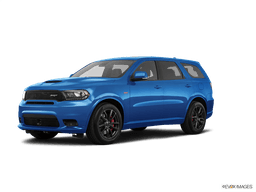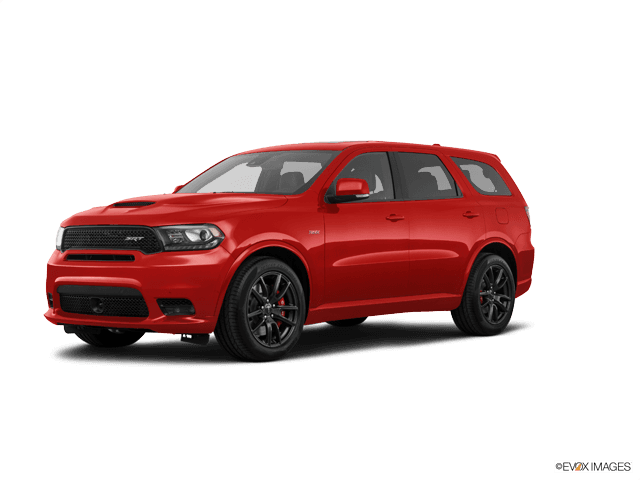









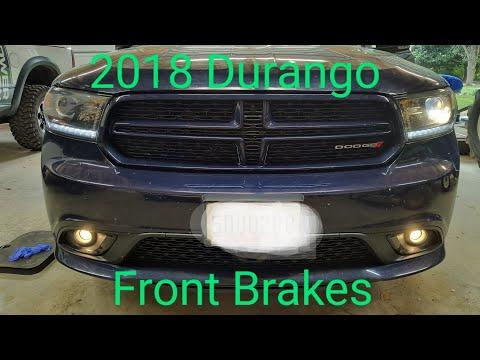







How to Replace Front Brake Pads on a 2018-2020 Dodge Durango (Brembo/SRT Calipers) (Engine: V8 6.4L)
Step-by-step DIY instructions with tools, parts list, safety tips, lug nut torque specs, and pad break-in
How to Replace Front Brake Pads on a 2018-2020 Dodge Durango (Brembo/SRT Calipers) (Engine: V8 6.4L)
Step-by-step DIY instructions with tools, parts list, safety tips, lug nut torque specs, and pad break-in for 2018, 2019, 2020


🔧 Durango - Front Brake Pad Replacement
On your Durango SRT, the front brakes use a fixed Brembo-style caliper, so the pads are held in by two retaining pins and a spring clip. The job is mainly removing those pins, sliding the old pads out, pushing the pistons back, and installing the new pads.
Difficulty Level: Intermediate | Estimated Time: 1.0-2.0 hours
⚠️ Safety & Precautions
- 🛑 Work on level ground and support the SUV with jack stands (never rely on a jack).
- 🧤 Brake dust is harmful—wear gloves and a dust mask, and use brake cleaner (don’t blow dust with compressed air).
- 🔥 Brakes get extremely hot—let the brakes cool fully before starting.
- 🧴 Brake fluid can overflow when you push pistons back—check the reservoir often and clean spills immediately (it damages paint).
- 🔋 Battery disconnect is not required for front pad replacement.
🔧 Required Tools
You'll need the following tools for this repair:
- Floor jack (rated 3-ton minimum)
- Jack stands (rated 3-ton minimum)
- Wheel chocks
- 22mm socket
- 1/2" drive breaker bar
- 1/2" drive torque wrench (30-250 ft-lbs range)
- Small hammer
- Pin punch set (3/16" and 1/4")
- Small flathead screwdriver
- Brake pad spreader tool (specialty)
- Safety glasses
- Nitrile gloves
- Dust mask
🔩 Required Parts
HowToo sells all the parts you need for this repair:
- Front brake pad set (Brembo/SRT front application) - Qty: 1
- Brake cleaner - Qty: 1
- High-temp brake lubricant - Qty: 1
- Anti-squeal brake paste - Qty: 1
- Front pad retaining pin & anti-rattle spring hardware kit - Qty: 1 (recommended)
📋 Before You Begin
- Park on level ground, shift to P, and set the parking brake.
- Place wheel chocks behind the rear tires.
- Crack the front lug nuts loose 1/4 turn using a 22mm socket and breaker bar before lifting.
- Open the hood and locate the brake fluid reservoir. Leave the cap on, but be ready to check the level while compressing pistons.
- A “pin punch” is a metal rod you tap to drive pins out.
🔨 Step-by-Step Instructions
Follow these steps in order:
Step 1: Lift and secure the front end
- Lift the front using a floor jack at the approved front jacking point.
- Set the SUV down onto jack stands and lightly shake the vehicle to confirm it’s stable.
Step 2: Remove the front wheels
- Remove the lug nuts with a 22mm socket and take both front wheels off.
- Set wheels under the rocker area as an extra safety backup.
Step 3: Inspect the caliper and identify the pad retaining hardware
- Look at the front of the caliper: you’ll see two horizontal retaining pins and a spring clip between them.
- Use a small flathead screwdriver to gently clean out heavy debris around the pin ends if needed.
Step 4: Drive out the retaining pins
- Wear safety glasses.
- Use a pin punch (3/16" or 1/4") and small hammer to tap the first retaining pin out.
- Tap the second retaining pin out the same way.
- As the pins come out, control the spring clip with your hand so it doesn’t pop out.
- Take a photo first for reassembly.
Step 5: Remove the old pads
- Slide the outer and inner pads out of the caliper by hand.
- If they’re stuck, wiggle them while gently prying with a small flathead screwdriver (don’t gouge the rotor).
- Spray the caliper pad channels lightly with brake cleaner and let it drip dry.
Step 6: Push the caliper pistons back
- Check the brake fluid reservoir level under the hood before compressing pistons.
- Place one old pad against the pistons and use a brake pad spreader tool (specialty) to slowly push the pistons back evenly.
- Go slowly and keep an eye on the reservoir so it doesn’t overflow.
- Compress evenly to avoid cocked pistons.
Step 7: Install the new pads
- Apply a thin layer of high-temp brake lubricant where the pad backing plate contacts the caliper pad channels (avoid the friction material).
- Apply anti-squeal brake paste to the backing plate if your pad set/kit calls for it (again, keep it off the friction surface).
- Slide the new inner and outer pads into place.
Step 8: Reinstall the spring clip and retaining pins
- Position the spring clip in the caliper exactly like your photo.
- Start both retaining pins by hand through the caliper and spring clip.
- Use the pin punch and small hammer to tap the pins fully seated.
- Confirm the spring clip is locked and the pads can’t slide out.
Step 9: Repeat on the other front wheel
- Do the same pad replacement steps on the other front caliper.
- Use the same pin punch, small hammer, and brake pad spreader tool.
Step 10: Reinstall wheels and torque lug nuts
- Reinstall the wheels and hand-thread lug nuts.
- Lower the SUV off the jack stands using the floor jack.
- Tighten lug nuts in a star pattern with a torque wrench: Torque to 176 Nm (130 ft-lbs).
✅ After Repair
- Before moving the SUV, pump the brake pedal 10–15 times until it feels firm (this seats the pads).
- Check the brake fluid level and top off only if needed (use the correct brake fluid shown on the reservoir cap).
- Do a slow test drive in a safe area and confirm no pulling, grinding, or warning lights.
- Bed-in (break-in) the pads: do several medium stops from 40→10 mph with cool-down time between stops; avoid coming to a complete stop with hot brakes for the first few cycles.
💰 DIY vs Shop Cost
Shop Cost: $450-$850 (parts + labor)
DIY Cost: $180-$450 (parts only)
You Save: $270-$400 by doing it yourself!
Shop labor rates vary but typically run $100-$150/hour. This repair takes a shop approximately 1.0-2.0 hours.
🎯 Ready to get started?
HowToo makes it easy: same-day/2-day shipping on every part, plus all the tools and specialty tools you need! Check out the parts and tools sections below to add everything to your cart.
Guide for Disc Brake Pad Set replace for these Dodge vehicles
| Year Make Model | Sub Model | Engine | Body Style |
|---|---|---|---|
| 2020 Dodge Durango | - | V8 6.4L | - |
| 2019 Dodge Durango | - | V8 6.4L | - |
| 2018 Dodge Durango | - | V8 6.4L | - |