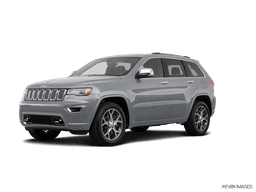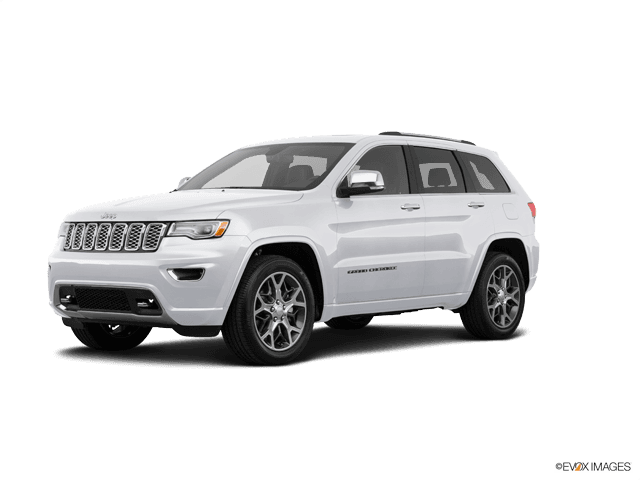









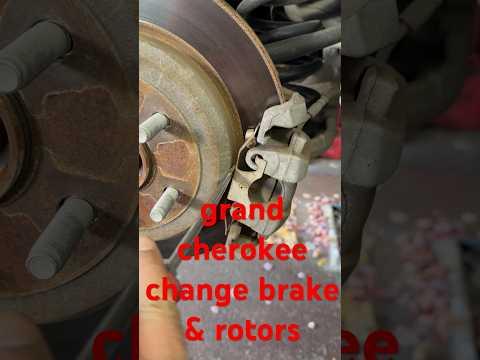




How to Replace Front Brake Pads on a 2012-2020 Jeep Grand Cherokee (Engine: V8 5.7L)
Step-by-step DIY front brake pad change with tools, parts list, torque specs, safety tips, and cost savings
How to Replace Front Brake Pads on a 2012-2020 Jeep Grand Cherokee (Engine: V8 5.7L)
Step-by-step DIY front brake pad change with tools, parts list, torque specs, safety tips, and cost savings for 2012, 2016, 2017, 2018, 2019, 2020


🔧 Grand Cherokee - Front Brake Pad Replacement
You’ll be removing the front wheels, taking off the brake calipers, swapping the pads, and reassembling everything with the correct torque. This restores safe braking and prevents rotor damage from worn pads.
Difficulty Level: Beginner | Estimated Time: 1.5–2.5 hours
⚠️ Safety & Precautions
- 🛑 Always support the vehicle with jack stands; never work under a car held only by a jack.
- 🛑 Wear safety glasses and mechanic gloves; brake dust and tools can injure your eyes and hands.
- 🛑 Work on a flat, solid surface with the transmission in Park and parking brake fully applied.
- 🛑 Do one side at a time so you can look at the other side as a reference.
- 🛑 Do not press the brake pedal when a caliper is removed; you can push pistons out.
- 🛑 If brake fluid level is at the very top of the reservoir, remove a little before compressing pistons to avoid overflow.
- 🛑 Battery disconnection is not required for this job.
🔧 Required Tools
You'll need the following tools for this repair:
- 🧰 21mm socket
- 🧰 13mm socket
- 🧰 18mm socket
- 🧰 1/2" drive ratchet
- 🧰 3/8" drive ratchet
- 🧰 Breaker bar 1/2" drive
- 🧰 Torque wrench 3/8" drive (up to 60 ft-lbs)
- 🧰 Torque wrench 1/2" drive (up to 200 ft-lbs)
- 🧰 C-clamp (6" or larger)
- 🧰 Flat-blade screwdriver (medium)
- 🧰 Wire brush (small)
- 🧰 Bungee cord or wire hanger
- 🧰 Floor jack (rated 3-ton minimum)
- 🧰 Jack stands (rated 3-ton minimum)
- 🧰 Wheel chocks
- 🧰 Shop rags
- 🧰 Safety glasses
- 🧰 Mechanic gloves
🔩 Required Parts
HowToo sells all the parts you need for this repair:
- 🧱 Front brake pad set - Qty: 1 (replace both sides)
- 🧱 Front brake hardware kit (pad clips/shims) - Qty: 1
- 🧱 Brake cleaner spray - Qty: 1–2 cans
- 🧱 High-temperature brake grease - Qty: 1 small tube
- 🧱 Anti-seize compound - Qty: 1 small tube
- 🧱 Disposable shop towels - Qty: 1 pack
- 🧱 Front brake rotor pair (optional, if worn or grooved) - Qty: 1 (pair)
📋 Before You Begin
- 🚗 Park the Grand Cherokee on a level surface, shift to Park, and set the parking brake.
- 🧱 Place wheel chocks behind the rear wheels to prevent rolling.
- 🧼 Loosen the brake fluid reservoir cap slightly (under the hood) to allow fluid to move when compressing pistons, but leave it resting in place so dirt cannot enter.
- 📸 Take a photo of the front brake assembly on one side before you start for reference.
🔨 Step-by-Step Instructions
Follow these steps in order:
Step 1: Loosen front wheel lug nuts
- Use the 21mm socket and breaker bar 1/2" drive to loosen (but not remove) the front wheel lug nuts about one turn while the vehicle is still on the ground.
- Loosening on the ground stops the wheel from spinning.
Step 2: Raise and support the front of the vehicle
- Position the floor jack (3-ton) under the front center jacking point or recommended frame area for your Grand Cherokee.
- Lift until both front wheels are off the ground.
- Place jack stands (3-ton) under the left and right frame or pinch weld lift points, then slowly lower the vehicle onto the stands.
- Keep the jack touching (lightly) as a backup, but do not rely on it alone.
Step 3: Remove front wheels
- Use the 21mm socket and 1/2" drive ratchet to remove all lug nuts from one front wheel.
- Remove the wheel and set it aside flat to avoid it tipping over.
- Repeat for the other front wheel if you prefer both sides off at once.
Step 4: Inspect the brake assembly
- Look at the caliper (the metal “clamp” over the rotor), the pads (between caliper and rotor), and the rotor (the large metal disc).
- Check rotor condition; if it is deeply grooved, cracked, or has a big lip at the edge, plan to replace rotors.
Step 5: Remove caliper guide pin bolts
- On the back of the caliper, locate the two smaller bolts (guide pin bolts) near the top and bottom of the caliper.
- Use the 13mm socket and 3/8" drive ratchet to remove the upper and lower guide pin bolts.
- Set the bolts aside somewhere clean so they don’t pick up grit.
Step 6: Lift off the caliper and support it
- Use a flat-blade screwdriver (medium) between the old pad and rotor to gently lever a little space if the caliper is tight.
- Lift the caliper off the bracket and rotor.
- Hang the caliper from the suspension spring using a bungee cord or wire hanger so there is no strain on the rubber brake hose.
- Never let caliper hang by the hose.
Step 7: Remove old brake pads and hardware
- Slide the old inner and outer pads out of the caliper bracket by hand.
- Remove any old metal clips or shims from the caliper bracket; these will be replaced.
- Take note of how the pads were positioned (wear sensor or chamfer orientation if present).
Step 8: Check pad wear and rotor thickness
- Compare the thickness of the old pads to the new ones; worn pads will be much thinner.
- If you see blue discoloration, cracking, or heavy grooves on the rotor, consider installing new rotors now.
Step 9: Remove caliper bracket (if replacing rotors or to clean better)
- Locate the two large caliper bracket bolts on the back of the steering knuckle.
- Use the 18mm socket, breaker bar 1/2" drive, and then the 1/2" drive ratchet to remove these two bolts.
- Remove the caliper bracket and set it on the ground or a box.
- Caliper bracket bolt torque (reinstall later): 176 Nm (130 ft-lbs)
Step 10: Remove rotor (if replacing)
- If the rotor is stuck from rust, tap around the hat area (center) with a rubber mallet to loosen it.
- Slide the rotor off the hub.
- Clean the hub face with a wire brush until it is free of rust and debris.
- Wipe with a shop rag and apply a very thin layer of anti-seize compound to the hub face only.
Step 11: Install new rotor (if applicable)
- Spray both sides of the new rotor with brake cleaner spray to remove the protective oil, then wipe with shop towels.
- Place the rotor onto the hub and hold it in place with one lug nut threaded on loosely by hand using the 21mm socket to keep it from wobbling.
Step 12: Clean and prepare caliper bracket
- Use the wire brush to clean the pad contact areas on the caliper bracket where the clips sit.
- Spray these areas with brake cleaner spray and wipe clean with shop rags.
- Install the new metal clips from the front brake hardware kit onto the bracket; push them fully into place.
Step 13: Reinstall caliper bracket
- Position the caliper bracket back over the rotor and align the bolt holes.
- Hand-thread the two large caliper bracket bolts.
- Use the 18mm socket and 1/2" drive torque wrench to tighten each bracket bolt to 176 Nm (130 ft-lbs).
Step 14: Compress the caliper piston
- Place the used inner pad or a flat piece of wood against the caliper piston face inside the caliper.
- Use the C-clamp (6") over the back of the caliper and the pad/wood, and slowly tighten the clamp to push the piston fully back into the caliper.
- Watch the brake fluid reservoir under the hood; if fluid nears the brim, remove some with a clean rag or syringe.
- Go slow to avoid damaging the piston seal.
Step 15: Lubricate pad contact points
- Apply a thin film of high-temperature brake grease to the metal areas of the caliper bracket where the pad ears (ends) will slide on the new clips.
- Apply a small amount of grease to the pad backing plate “ears,” but keep grease off the pad friction surfaces and rotor.
Step 16: Install new brake pads
- Slide the new inner and outer pads into the caliper bracket clips until they sit evenly and move freely.
- If one pad has a wear indicator tab or different style, match it to the same position as the old one you removed.
Step 17: Check and lubricate caliper guide pins
- Pull each guide pin (the bolts that go through rubber boots) out of the caliper bracket by hand.
- Wipe them clean with a shop rag and apply a thin coat of high-temperature brake grease on the smooth part.
- Reinsert the pins fully into their boots and ensure they slide smoothly.
Step 18: Reinstall caliper over new pads
- Remove the bungee cord and carefully lower the caliper over the new pads and onto the bracket.
- Align the caliper guide pin holes with the threaded holes in the bracket.
- Hand-thread the upper and lower 13mm guide pin bolts to avoid cross-threading.
- Use the 13mm socket and 3/8" drive torque wrench to tighten each guide pin bolt to 43 Nm (32 ft-lbs).
Step 19: Repeat on the other side
- Repeat Steps 5–18 on the other front wheel.
- Do not skip replacing pads on the second side.
Step 20: Reinstall wheels
- Place the wheel back on the hub and hand-thread all lug nuts.
- Use the 21mm socket and 1/2" drive ratchet to snug the lug nuts in a star pattern, but do not fully torque yet.
Step 21: Lower vehicle and torque lug nuts
- Raise the vehicle slightly with the floor jack, remove the jack stands, and lower the vehicle fully to the ground.
- Use the 21mm socket and 1/2" drive torque wrench to tighten the lug nuts in a star pattern to 149 Nm (110 ft-lbs).
Step 22: Final checks under the hood
- Check brake fluid level in the reservoir; adjust to the “MAX” mark if necessary.
- Securely tighten the brake fluid reservoir cap.
Step 23: Seat the brake pads
- Before moving the vehicle, sit in the driver’s seat and press the brake pedal slowly 5–8 times until it feels firm. This seats the pads against the rotors.
- If pedal stays soft, do not drive; recheck work.
✅ After Repair
- 🧪 With the engine running in Park, press the brake pedal several times to confirm it feels firm and consistent.
- 🚗 Perform a short, low-speed test drive (20–30 km/h) in a safe area, applying the brakes gently to ensure there are no noises, pulling, or vibrations.
- 🛑 For the first 300–500 km, avoid very hard braking if possible; this helps the pads bed into the rotors smoothly.
- 🔍 After the test drive, recheck lug nut torque and look for any fluid leaks around the calipers.
💰 DIY vs Shop Cost
Shop Cost: $350–$550 (parts + labor)
DIY Cost: $120–$220 (parts only)
You Save: $230–$330 by doing it yourself!
Shop labor rates vary but typically run $100–$150/hour. This repair takes a shop approximately 1.0–1.5 hours.
🎯 Ready to get started?
HowToo makes it easy: same-day/2-day shipping on every part, plus all the tools and specialty tools you need! Check out the parts and tools sections above to add everything to your cart.
Guide for Disc Brake Pad Set replace for these Jeep vehicles
| Year Make Model | Sub Model | Engine | Body Style |
|---|---|---|---|
| 2020 Jeep Grand Cherokee | - | V6 3.6L | - |
| 2020 Jeep Grand Cherokee | - | V8 5.7L | - |
| 2019 Jeep Grand Cherokee | - | V6 3.6L | - |
| 2019 Jeep Grand Cherokee | - | V8 5.7L | - |
| 2019 Jeep Grand Cherokee | - | V6 3.0L | - |
| 2018 Jeep Grand Cherokee | - | V6 3.6L | - |
| 2018 Jeep Grand Cherokee | - | V8 5.7L | - |
| 2018 Jeep Grand Cherokee | - | V6 3.0L | - |
| 2017 Jeep Grand Cherokee | - | V6 3.6L | - |
| 2017 Jeep Grand Cherokee | - | V8 5.7L | - |
| 2017 Jeep Grand Cherokee | - | V6 3.0L | - |
| 2016 Jeep Grand Cherokee | - | V6 3.6L | - |
| 2016 Jeep Grand Cherokee | - | V8 5.7L | - |
| 2016 Jeep Grand Cherokee | - | V6 3.0L | - |
| 2012 Jeep Grand Cherokee | - | V6 3.6L | - |
| 2012 Jeep Grand Cherokee | - | V8 5.7L | - |