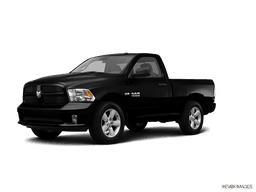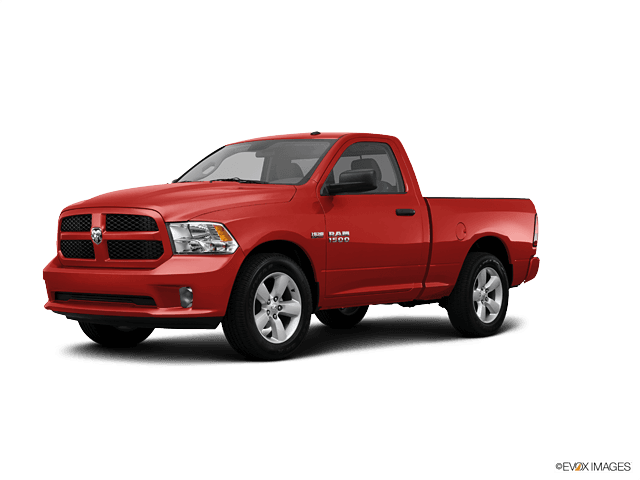















How to Replace Front Brake Pads on a 2011-2017 Ram 1500 (Step-by-Step DIY Guide)
Tools, parts list, safety tips, and torque specs for caliper bolts and lug nuts
How to Replace Front Brake Pads on a 2011-2017 Ram 1500 (Step-by-Step DIY Guide)
Tools, parts list, safety tips, and torque specs for caliper bolts and lug nuts for 2011, 2012, 2013, 2014, 2015, 2016, 2017


🔧 1500 - Front Brake Pad Replacement
You’ll remove the front calipers, swap the old pads for new ones, compress the caliper pistons, and reassemble everything with the correct torque. This restores safe braking and prevents rotor damage from worn pads.
Difficulty Level: Intermediate | Estimated Time: 1.5-3 hours
⚠️ Safety & Precautions
- ⚠️ Support the truck with jack stands—never rely on a floor jack alone.
- ⚠️ Do not press the brake pedal with a caliper removed (the piston can pop out and leak fluid).
- ⚠️ Brake dust is harmful—use brake cleaner, not compressed air.
- ⚠️ Watch the brake fluid level while compressing pistons; it can overflow the reservoir.
- ⚠️ Keep grease off pad friction material and rotor faces.
- ⚠️ No battery disconnect is required for this repair.
🔧 Required Tools
You'll need the following tools for this repair:
- Floor jack (rated 3-ton minimum)
- Jack stands (rated 3-ton minimum)
- Wheel chocks
- 22mm socket
- 13mm socket
- 21mm socket
- 3/8" drive ratchet
- 1/2" drive breaker bar
- Torque wrench (20-200 ft-lbs range)
- C-clamp (6" minimum)
- Large flathead screwdriver
- Bungee cord
- Wire brush
- Brake cleaner spray
- Shop towels
- Nitrile gloves
- Safety glasses
🔩 Required Parts
HowToo sells all the parts you need for this repair:
- Front brake pad set - Qty: 1
- Front brake pad hardware/clip kit - Qty: 1
- Brake caliper grease (high-temp silicone) - Qty: 1
- Brake cleaner - Qty: 1
- DOT 3 brake fluid - Qty: 1 bottle
📋 Before You Begin
- Park the truck on level ground, shift to P, and set the parking brake.
- Place wheel chocks behind the rear tires.
- Pop the hood and locate the brake fluid reservoir. Loosen the cap (leave it sitting on top) so fluid can rise when you compress pistons.
- Plan to replace pads on both front wheels.
🔨 Step-by-Step Instructions
Follow these steps in order:
Step 1: Loosen lug nuts and raise the front
- Use a 22mm socket with a 1/2" drive breaker bar to loosen the front lug nuts about 1 turn (do not remove yet).
- Lift the front with a floor jack at the approved front lift point and set the truck down onto jack stands.
- Remove the lug nuts using a 22mm socket, then remove the wheel.
Step 2: Inspect the caliper and rotor
- Turn the steering so you can easily reach the caliper you’re working on.
- Look at the rotor for deep grooves or heavy rust scaling. If it’s badly worn, plan on replacing rotors too.
Step 3: Remove the caliper bolts
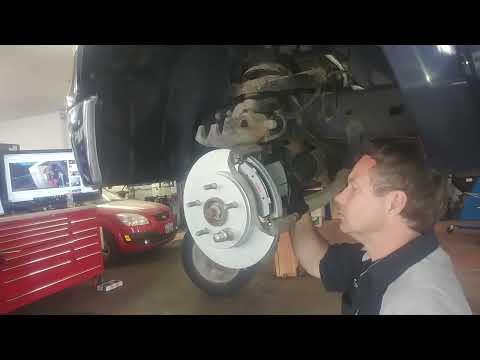
- Use a 13mm socket with a 3/8" drive ratchet to remove the two caliper slide pin bolts.
- Carefully lift the caliper off the bracket.
- Hang the caliper from the suspension with a bungee cord. (Never let it hang by the rubber brake hose.)
Step 4: Remove the old pads and hardware
- Pull the old pads out of the caliper bracket by hand. If stuck, use a large flathead screwdriver to gently pry them out.
- Remove the stainless pad clips (hardware) from the bracket. Use the flathead screwdriver if needed.
Step 5: Clean and prep the bracket (important for no squeaks)
- Spray the bracket pad lands (where the clips sit) with brake cleaner spray and wipe with shop towels.
- Use a wire brush to remove rust where the new clips will sit flat.
- Install the new pad clips from the hardware kit by pressing them into place by hand.
- Apply a thin film of brake caliper grease to the points where the pad ears contact the clips (not on the rotor).
Step 6: Compress the caliper pistons
- Place one old brake pad against the caliper pistons.
- Use a C-clamp (6" minimum) to slowly compress the pistons fully back into the caliper.
- Watch the brake fluid reservoir as you compress; remove a little fluid with a towel if it looks like it will overflow.
- Go slow—fast compression can damage seals.
Step 7: Install the new pads
- Slide the new inner and outer pads into the bracket by hand (same positions as removed).
- Make sure the pads move freely in the clips—if they bind, re-clean the bracket lands with a wire brush.
Step 8: Reinstall the caliper
- Set the caliper over the new pads.
- Install the caliper slide pin bolts by hand first to avoid cross-threading, then tighten using a 13mm socket.
- Torque to 41 Nm (30 ft-lbs) using a torque wrench (20-200 ft-lbs range).
Step 9: Repeat on the other front wheel
- Move to the other side and repeat Steps 2–8 using the same tools.
- Doing one side at a time helps avoid mix-ups.
Step 10: Reinstall wheels and torque lug nuts
- Reinstall each wheel and hand-thread lug nuts.
- Lower the truck off the jack stands using the floor jack.
- Use a torque wrench (20-200 ft-lbs range) with a 22mm socket to tighten lug nuts in a star pattern.
- Torque to 176 Nm (130 ft-lbs).
✅ After Repair
- With the engine OFF, pump the brake pedal slowly 10–15 times until it feels firm.
- Check the brake fluid level and top off with DOT 3 brake fluid if needed (do not overfill).
- Start the truck and confirm the pedal feels normal, then do a low-speed test stop in a safe area.
- Bed-in (break-in) the pads: make 6–10 moderate stops from ~30–35 mph down to ~5 mph, letting brakes cool a bit between stops.
- Recheck for leaks and recheck lug nut torque after 25–50 miles using a torque wrench.
💰 DIY vs Shop Cost
Shop Cost: $250-$450 (parts + labor)
DIY Cost: $60-$180 (parts only)
You Save: $190-$270 by doing it yourself!
Shop labor rates vary but typically run $100-$150/hour. This repair takes a shop approximately 1.0-1.5 hours.
🎯 Ready to get started?
HowToo makes it easy: same-day/2-day shipping on every part, plus all the tools and specialty tools you need! Check out the parts and tools sections below to add everything to your cart.
Guide for Disc Brake Pad Set replace for these Ram vehicles
| Year Make Model | Sub Model | Engine | Body Style |
|---|---|---|---|
| 2017 Ram 1500 | - | - | - |
| 2016 Ram 1500 | - | - | - |
| 2015 Ram 1500 | - | - | - |
| 2014 Ram 1500 | - | - | - |
| 2013 Ram 1500 | - | - | - |
| 2012 Ram 1500 | - | - | - |
| 2011 Ram 1500 | - | - | - |