














How to Replace Front Brake Pads on a 2005-2023 Toyota Tacoma (Trim: Base | Engine: Inline 4 2.7L)
Step-by-step DIY guide with tools, parts, safety tips, and lug nut torque specs
How to Replace Front Brake Pads on a 2005-2023 Toyota Tacoma (Trim: Base | Engine: Inline 4 2.7L)
Step-by-step DIY guide with tools, parts, safety tips, and lug nut torque specs for 2005, 2006, 2007, 2008, 2009, 2010, 2011, 2012, 2013, 2014, 2015


🔧 Tacoma - Front Brake Pad Replacement
This repair replaces the front disc brake pads on your Tacoma. The front brakes do most of the stopping, so worn pads can cause squealing, grinding, longer stopping distance, or rotor damage.
Difficulty Level: Beginner | Estimated Time: 1.5-2.5 hours
⚠️ Safety & Precautions
- ⚠️ Work on a flat, solid surface only. Never rely on a jack alone.
- ⚠️ Always support your Tacoma with jack stands before removing a wheel.
- ⚠️ Wear safety glasses and gloves. Brake dust is irritating and should not be blown with compressed air.
- ⚠️ Keep grease, oil, and anti-seize off the brake pad friction surface and rotor face.
- ⚠️ The brake pedal will feel soft after installation until you pump it several times.
- ⚠️ Battery disconnect is not required for this front brake pad replacement.
🔧 Required Tools
You'll need the following tools for this repair:
- 21mm lug nut socket
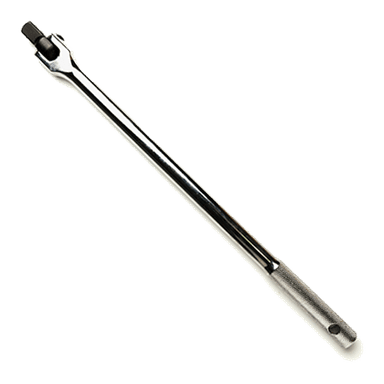
- 1/2-inch drive breaker bar
- 1/2-inch drive torque wrench
- Floor jack (rated 3-ton minimum)
- Jack stands (rated 3-ton minimum)
- Wheel chocks
- Large C-clamp
- Brake caliper piston compressor (specialty)
- Flat-blade screwdriver
- Needle-nose pliers
- Small wire brush
- Brake cleaner spray
- Drain pan
- Shop towels
- Nitrile gloves
- Safety glasses
🔩 Required Parts
HowToo sells all the parts you need for this repair:
- Front brake pad set - Qty: 1
- Front brake pad hardware kit - Qty: 1
- Brake lubricant - Qty: 1
- DOT 3 brake fluid - Qty: 1 small bottle
📋 Before You Begin
- Park your Tacoma on level ground and place the transmission in 1st gear.
- Set the parking brake and place wheel chocks behind the rear wheels.
- Open the hood and check the brake fluid reservoir. If it is full, remove a small amount with a clean suction tool before pushing the caliper pistons back.
- A brake caliper piston compressor is a tool that evenly pushes the caliper pistons back into the caliper so the new thicker pads fit.
- Brake lubricant is a high-temperature grease used only on pad contact points, not on the pad friction material.
🔨 Step-by-Step Instructions
Follow these steps in order:
Step 1: Loosen the Front Lug Nuts
- Use the 21mm lug nut socket and 1/2-inch drive breaker bar to loosen the front lug nuts about half a turn while the tires are still on the ground.
- Do not remove the lug nuts yet.
- Loosen first, lift second.
Step 2: Raise and Support the Front of the Truck
- Use the floor jack at the front frame crossmember to raise the front of your Tacoma.
- Place jack stands securely under the front frame rails.
- Slowly lower the truck onto the jack stands with the floor jack.
- Gently shake the truck by hand to confirm it is stable before working.
Step 3: Remove the Front Wheels
- Use the 21mm lug nut socket to remove the loosened lug nuts.
- Remove both front wheels and place them flat under the frame as a backup safety measure.
Step 4: Inspect the Brake Assembly
- Look at the caliper, rotor, pads, and brake hose before taking anything apart.
- Use the brake cleaner spray and drain pan to rinse loose brake dust away.
- Use safety glasses and avoid breathing brake dust.
- If the rotor is deeply grooved, cracked, or badly rusted, the rotor should be replaced or resurfaced.
Step 5: Remove the Pad Retaining Clips and Pins
- Your Tacoma uses a fixed front caliper, so the pads slide out after the retaining hardware is removed.
- Use needle-nose pliers to remove the small retaining clip from the brake pad pins.
- Use the flat-blade screwdriver to carefully push or guide the pad retaining pins out of the caliper.
- Remove the anti-rattle spring as the pins come out. The anti-rattle spring is the small spring plate that keeps the pads from vibrating.
- Note the spring position before removal so the new hardware goes back the same way.
- Take a phone photo first.
Step 6: Remove the Old Brake Pads
- Use the flat-blade screwdriver to gently slide the old brake pads out of the caliper.
- If a pad is stuck, wiggle it gently with the flat-blade screwdriver. Do not pry hard against the rotor surface.
- Compare the inner and outer pad wear. Uneven wear can mean sticky hardware or caliper piston problems.
Step 7: Compress the Caliper Pistons
- Place one old brake pad against the caliper pistons to spread pressure evenly.
- Use the brake caliper piston compressor or large C-clamp to slowly push the pistons back into the caliper.
- Watch the brake fluid reservoir while compressing the pistons. Use shop towels around the reservoir if needed.
- Work slowly. If a piston will not move smoothly, stop and inspect the caliper.
Step 8: Clean the Pad Contact Areas
- Use the small wire brush to clean the caliper areas where the brake pad ears slide.
- Use brake cleaner spray and shop towels to wipe away dust and old grease.
- Do not spray brake cleaner on painted body panels.
Step 9: Lubricate the New Hardware
- Use a small amount of brake lubricant on the pad ears and caliper contact points.
- Use nitrile gloves to avoid getting grease on the pad friction surface.
- Do not apply lubricant to the rotor face or the pad material.
- A thin film is enough.
Step 10: Install the New Brake Pads
- Slide the new front brake pads into the caliper by hand.
- Make sure the friction material faces the rotor.
- If the pads do not slide in easily, use the flat-blade screwdriver only to gently guide them. Do not force them.
Step 11: Reinstall the Retaining Pins and Spring
- Position the new anti-rattle spring the same way the original was installed.
- Slide the retaining pins through the caliper, brake pads, and anti-rattle spring by hand.
- Use needle-nose pliers to reinstall the retaining clip securely.
- Make sure both pins are fully seated and the spring is holding tension on the pads.
Step 12: Repeat on the Other Front Side
- Repeat Steps 4 through 11 on the other front brake assembly.
- Use the same tools and install the pads and hardware the same way.
- Always replace front brake pads in pairs.
Step 13: Reinstall the Front Wheels
- Install the wheels by hand and start each lug nut by hand to avoid cross-threading.
- Use the 21mm lug nut socket to snug the lug nuts in a star pattern.
- Do not fully torque the lug nuts while the wheels are off the ground.
Step 14: Lower the Truck and Torque the Lug Nuts
- Use the floor jack to raise the truck slightly off the jack stands.
- Remove the jack stands, then lower the truck fully to the ground.
- Use the 1/2-inch drive torque wrench and 21mm lug nut socket to tighten the lug nuts in a star pattern.
- Torque to 113 Nm (83 ft-lbs)
Step 15: Pump the Brake Pedal
- Before moving the truck, press the brake pedal slowly several times until it becomes firm.
- This moves the caliper pistons back out against the new pads.
- Check the brake fluid level and top off with DOT 3 brake fluid if needed.
✅ After Repair
- Start your Tacoma and press the brake pedal again. It should feel firm, not sink to the floor.
- Check both front calipers for leaks or loose hardware.
- Perform a slow test stop in a safe area before driving normally.
- Bed in the pads with several gentle stops from about 30 mph, allowing the brakes to cool between stops.
- Avoid hard braking for the first 100-200 miles unless needed for safety.
- Recheck lug nut torque after the first short drive: Torque to 113 Nm (83 ft-lbs)
💰 DIY vs Shop Cost
Shop Cost: $220-$380 (parts + labor)
DIY Cost: $45-$110 (parts only)
You Save: $175-$270 by doing it yourself!
Shop labor rates vary but typically run $100-$150/hour. This repair takes a shop approximately 1.0-1.5 hours.
🎯 Ready to get started?
HowToo makes it easy: same-day/2-day shipping on every part, plus all the tools and specialty tools you need! Check out the parts and tools sections below to add everything to your cart.
Guide for Disc Brake Pad Set replace for these Toyota vehicles
| Year Make Model | Sub Model | Engine | Body Style |
|---|---|---|---|
| 2023 Toyota Tacoma | SR | Inline 4 2.7L | - |
| 2023 Toyota Tacoma | SR5 | Inline 4 2.7L | - |
| 2022 Toyota Tacoma | SR | Inline 4 2.7L | - |
| 2022 Toyota Tacoma | SR5 | Inline 4 2.7L | - |
| 2021 Toyota Tacoma | SR | Inline 4 2.7L | - |
| 2021 Toyota Tacoma | SR5 | Inline 4 2.7L | - |
| 2020 Toyota Tacoma | SR | Inline 4 2.7L | - |
| 2020 Toyota Tacoma | SR5 | Inline 4 2.7L | - |
| 2019 Toyota Tacoma | SR | Inline 4 2.7L | - |
| 2019 Toyota Tacoma | SR5 | Inline 4 2.7L | - |
| 2018 Toyota Tacoma | SR | Inline 4 2.7L | - |
| 2018 Toyota Tacoma | SR5 | Inline 4 2.7L | - |
| 2017 Toyota Tacoma | SR | Inline 4 2.7L | - |
| 2017 Toyota Tacoma | SR5 | Inline 4 2.7L | - |
| 2016 Toyota Tacoma | SR | Inline 4 2.7L | - |
| 2016 Toyota Tacoma | SR5 | Inline 4 2.7L | - |
| 2015 Toyota Tacoma | Base | Inline 4 2.7L | - |
| 2015 Toyota Tacoma | Base | V6 4.0L | - |
| 2015 Toyota Tacoma | Pre Runner | Inline 4 2.7L | - |
| 2015 Toyota Tacoma | Pre Runner | V6 4.0L | - |
| 2015 Toyota Tacoma | TRD Pro | V6 4.0L | - |
| 2014 Toyota Tacoma | Base | Inline 4 2.7L | - |
| 2014 Toyota Tacoma | Base | V6 4.0L | - |
| 2014 Toyota Tacoma | Pre Runner | Inline 4 2.7L | - |
| 2014 Toyota Tacoma | Pre Runner | V6 4.0L | - |
| 2013 Toyota Tacoma | Base | Inline 4 2.7L | - |
| 2013 Toyota Tacoma | Base | V6 4.0L | - |
| 2013 Toyota Tacoma | Pre Runner | Inline 4 2.7L | - |
| 2013 Toyota Tacoma | Pre Runner | V6 4.0L | - |
| 2012 Toyota Tacoma | Base | Inline 4 2.7L | - |
| 2012 Toyota Tacoma | Base | V6 4.0L | - |
| 2012 Toyota Tacoma | Pre Runner | Inline 4 2.7L | - |
| 2012 Toyota Tacoma | Pre Runner | V6 4.0L | - |
| 2011 Toyota Tacoma | Base | Inline 4 2.7L | - |
| 2011 Toyota Tacoma | Base | V6 4.0L | - |
| 2011 Toyota Tacoma | Pre Runner | Inline 4 2.7L | - |
| 2011 Toyota Tacoma | Pre Runner | V6 4.0L | - |
| 2010 Toyota Tacoma | Base | Inline 4 2.7L | - |
| 2010 Toyota Tacoma | Base | V6 4.0L | - |
| 2010 Toyota Tacoma | Pre Runner | Inline 4 2.7L | - |
| 2010 Toyota Tacoma | Pre Runner | V6 4.0L | - |
| 2009 Toyota Tacoma | Base | Inline 4 2.7L | - |
| 2009 Toyota Tacoma | Base | V6 4.0L | - |
| 2009 Toyota Tacoma | Pre Runner | Inline 4 2.7L | - |
| 2009 Toyota Tacoma | Pre Runner | V6 4.0L | - |
| 2008 Toyota Tacoma | Base | Inline 4 2.7L | - |
| 2008 Toyota Tacoma | Base | V6 4.0L | - |
| 2008 Toyota Tacoma | Pre Runner | Inline 4 2.7L | - |
| 2008 Toyota Tacoma | Pre Runner | V6 4.0L | - |
| 2007 Toyota Tacoma | Base | Inline 4 2.7L | - |
| 2007 Toyota Tacoma | Base | V6 4.0L | - |
| 2007 Toyota Tacoma | Pre Runner | Inline 4 2.7L | - |
| 2007 Toyota Tacoma | Pre Runner | V6 4.0L | - |
| 2006 Toyota Tacoma | Base | Inline 4 2.7L | - |
| 2006 Toyota Tacoma | Base | V6 4.0L | - |
| 2006 Toyota Tacoma | Pre Runner | Inline 4 2.7L | - |
| 2006 Toyota Tacoma | Pre Runner | V6 4.0L | - |
| 2005 Toyota Tacoma | Base | Inline 4 2.7L | - |
| 2005 Toyota Tacoma | Base | V6 4.0L | - |
| 2005 Toyota Tacoma | Pre Runner | Inline 4 2.7L | - |
| 2005 Toyota Tacoma | Pre Runner | V6 4.0L | - |