













How to Replace Front Brake Pads and Rotors on a 2018 Volkswagen Passat
Step-by-step DIY guide with required tools, parts list, safety tips, and wheel torque specs for 2006, 2007, 2008, 2009, 2010, 2018, 2019, 2020, 2021, 2022
How to Replace Front Brake Pads and Rotors on a 2018 Volkswagen Passat
Step-by-step DIY guide with required tools, parts list, safety tips, and wheel torque specs for 2006, 2007, 2008, 2009, 2010, 2018, 2019, 2020, 2021, 2022


🔧 Passat - Front Brake Pads & Rotor Replacement
Replacing the front brake pads and rotors means removing the caliper, swapping the rotor, and installing new pads with the hardware. On your Passat, the only “gotcha” is that torque specs and a couple of bolt types vary by the front brake package.
Difficulty Level: Intermediate | Estimated Time: 2-4 hours
⚠️ Safety & Precautions
- 🛑 Support the car on jack stands; never work under a jack-only car.
- 🛑 Brakes create dust—wear nitrile gloves and a dust mask; avoid blowing dust with compressed air.
- 🛑 Do not let the caliper hang by the hose; always support it with a caliper hook.
- 🛑 Keep grease and brake cleaner off the pad friction material and rotor faces.
- 🛑 No battery disconnect is required for front brakes.
🔧 Required Tools
You'll need the following tools for this repair:
- Floor jack (rated 3-ton minimum)
- Jack stands (rated 3-ton minimum)
- Wheel chocks
- 17mm socket
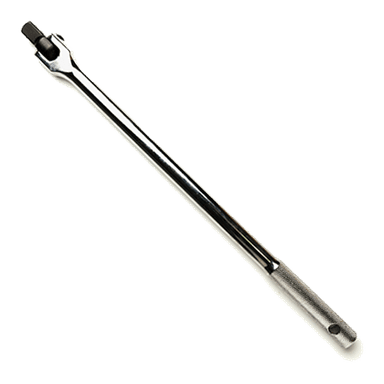
- 1/2" drive breaker bar
- 1/2" drive torque wrench (20-200 Nm range)
- 3/8" drive torque wrench (5-60 Nm range)
- Ratchet (3/8")
- Socket set (10mm-21mm)
- Hex bit socket set (5mm-10mm)
- Triple-square bit socket set (M10-M14)
- Torx bit socket set (T25-T45)
- Flat trim/pry tool
- Brake caliper piston compressor tool (specialty)
- Caliper hook (specialty)
- Wire brush
- Micrometer or vernier caliper (specialty)
- Dead-blow hammer
- Bungee cord
- Brake cleaner spray
- Shop towels
- Nitrile gloves
- Safety glasses
- Dust mask
🔩 Required Parts
HowToo sells all the parts you need for this repair:
- Front brake pad set - Qty: 1
- Front brake rotors - Replace in pairs - Qty: 2
- Front pad hardware/anti-rattle clip kit - Qty: 1
- Front caliper slide pin bolt set - Qty: 1
- Front caliper carrier bolt set - Qty: 1
- Rotor retaining screw - Qty: 2
- Brake lubricant (silicone brake grease) - Qty: 1
- Medium-strength threadlocker - Qty: 1
- DOT 4 brake fluid - Qty: 1 bottle
📋 Before You Begin
- 🅿️ Park on level ground, put the shifter in P, and set the parking brake.
- 🔒 Chock the rear wheels with wheel chocks.
- 🧼 Turn the steering wheel so you can reach the back of the front caliper easily.
- 🧴 Open the hood and check the brake fluid level; when you compress the caliper piston, the level may rise.
🔨 Step-by-Step Instructions
Follow these steps in order:
Step 1: Confirm your front brake package (so I give exact torque specs)
- Use a micrometer or vernier caliper (specialty) to measure the rotor diameter (edge-to-edge), or read the diameter stamped on the rotor hat (often “312” or “340”).
- Look at the caliper carrier bolts and note the tool style: hex vs triple-square (XZN) (a triple-square looks like a 12-point star).
- Reply with: rotor diameter (mm) + carrier bolt type (hex or triple-square). Then I’ll provide the exact VW torque specs and the exact bit sizes for your setup.
Step 2: Loosen wheel bolts and safely raise the front
- Use a 17mm socket and breaker bar to crack the front wheel bolts loose 1/2 turn while the car is on the ground.
- Lift with the floor jack (rated 3-ton minimum) at the proper front jack point and support with jack stands (rated 3-ton minimum).
- Remove the wheel bolts using the 17mm socket and set the wheels aside.
Step 3: Remove the caliper (do not disconnect the brake hose)
- Remove the outer anti-rattle spring using a flat trim/pry tool (keep a hand on it so it doesn’t pop).
- Remove the caliper slide pin bolts using the correct hex bit socket or triple-square bit socket (varies by setup).
- Lift the caliper off the bracket and hang it using a caliper hook (specialty) or bungee cord.
Step 4: Remove pads and inspect
- Pull the inner and outer pads out by hand; use a flat trim/pry tool gently if they’re stuck.
- Inspect the dust boot and slide pins; clean light rust with a wire brush.
Step 5: Remove the caliper carrier (bracket)
- Remove the two carrier-to-knuckle bolts using the correct socket or triple-square bit socket.
- Set the carrier aside on a towel; do not strain the brake hose.
- These bolts are often one-time-use.
Step 6: Remove the rotor
- Remove the rotor retaining screw using the correct Torx bit socket (commonly T30).
- If the rotor is stuck, spray the hub area lightly with brake cleaner spray, then tap the rotor hat with a dead-blow hammer to break it free.
- Clean the hub face with a wire brush until it’s smooth and flat (this helps prevent pedal pulsation).
Step 7: Install the new rotor
- Clean the new rotor faces with brake cleaner spray and shop towels to remove shipping oil.
- Install the rotor onto the hub and install the new retaining screw using the correct Torx bit socket.
- Torque spec varies by setup—I’ll provide the exact value after your quick measurement in Step 1.
Step 8: Reinstall the carrier and hardware
- Reinstall the caliper carrier using the correct socket or triple-square bit socket.
- Apply medium-strength threadlocker to new carrier bolts if your bolt kit/repair procedure calls for it.
- Torque spec varies by setup—I’ll provide the exact value after your Step 1 info.
Step 9: Compress the caliper piston
- Use the brake caliper piston compressor tool (specialty) to slowly push the piston back into the caliper.
- Watch the brake fluid reservoir while compressing; remove a little fluid if it gets too high.
- Go slow to protect the master cylinder.
Step 10: Install new pads and reinstall caliper
- Apply a thin film of brake lubricant (silicone brake grease) to pad ears/backing plate contact points only (not the friction surface).
- Install the new pads into the carrier.
- Reinstall the caliper over the pads and install the slide pin bolts using the correct hex bit socket or triple-square bit socket.
- Torque spec varies by setup—I’ll provide the exact value after your Step 1 info.
Step 11: Reinstall wheels
- Reinstall the wheels and hand-thread the bolts.
- Lower the car, then torque wheel bolts with a 1/2" drive torque wrench (20-200 Nm range).
- Torque to 120 Nm (89 ft-lbs)
✅ After Repair
- 🦶 With the engine off, pump the brake pedal 10-15 times until it feels firm (this seats the pads).
- 🧴 Recheck brake fluid level and top off with DOT 4 brake fluid if needed.
- 👂 Start the engine and confirm the pedal is firm; do a slow test stop in a safe area.
- 🔥 Bed-in procedure: do 8-10 medium stops from 40 mph to 10 mph, then drive 5-10 minutes without hard braking to cool.
- 🔍 Check for abnormal noises and verify the wheels spin freely with no drag.
💰 DIY vs Shop Cost
Shop Cost: $450-$850 (parts + labor)
DIY Cost: $180-$450 (parts only)
You Save: $270-$400 by doing it yourself!
Shop labor rates vary but typically run $100-$150/hour. This repair takes a shop approximately 2-3 hours.
🎯 Ready to get started?
HowToo makes it easy: same-day/2-day shipping on every part, plus all the tools and specialty tools you need! Check out the parts and tools sections below to add everything to your cart.