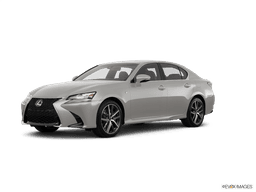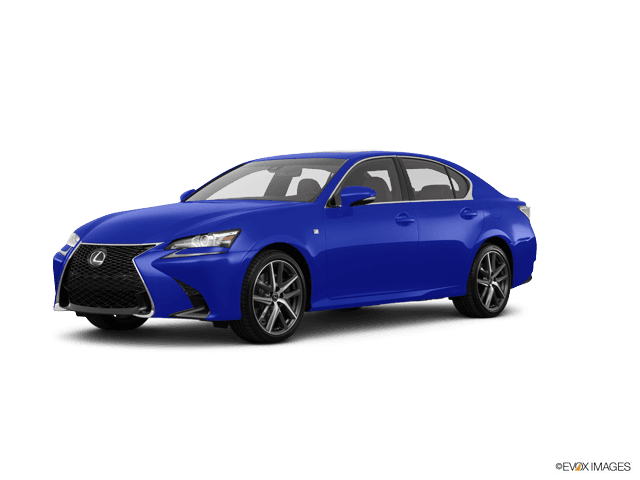









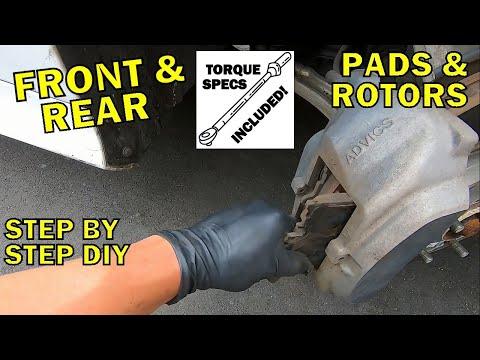






How to Replace Front Brake Pads and Rotors on a 2016 Lexus GS350 (DIY Guide)
Step-by-step instructions with tools, parts list, safety tips, and key torque specs for 2013, 2014, 2015, 2016, 2017, 2018, 2019, 2020
How to Replace Front Brake Pads and Rotors on a 2016 Lexus GS350 (DIY Guide)
Step-by-step instructions with tools, parts list, safety tips, and key torque specs for 2013, 2014, 2015, 2016, 2017, 2018, 2019, 2020


🔧 GS - Front Brake Pads & Rotor Replacement
You’ll remove the front wheels, take off the brake calipers, replace the rotors, and install new brake pads. This restores safe stopping power and prevents vibration or grinding from worn parts.
Difficulty Level: Intermediate | Estimated Time: 2-4 hours
⚠️ Safety & Precautions
- ⚠️ Work on level ground and support the car with jack stands—never rely on a jack alone.
- ⚠️ Brakes get hot; let everything cool before touching rotors/calipers.
- ⚠️ Do not press the brake pedal with a caliper removed.
- ⚠️ Avoid breathing brake dust; use brake cleaner, not compressed air.
- ⚠️ Keep brake fluid off paint; it damages finishes quickly.
- ⚠️ If brake fluid rises near “MAX” when compressing pistons, remove some with a suction tool.
🔧 Required Tools
You'll need the following tools for this repair:
- Floor jack (rated 3-ton minimum)
- Jack stands (rated 3-ton minimum)
- Wheel chocks
- 21mm socket
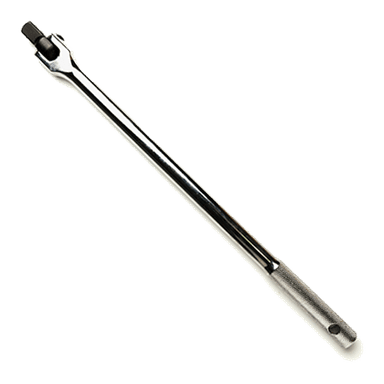
- 1/2" drive breaker bar
- 1/2" drive torque wrench (20-200 ft-lbs range)
- Ratchet (3/8" drive)
- Socket set (10mm-19mm)
- Hex bit socket set (6mm-10mm)
- C-clamp piston compressor
- Flat blade screwdriver
- Bungee cord
- Wire brush
- Brake cleaner spray
- High-temp silicone brake grease
- Anti-seize compound
- Rubber mallet
- Safety glasses
- Nitrile gloves
🔩 Required Parts
HowToo sells all the parts you need for this repair:
- Front brake pad set - Qty: 1
- Front brake rotors - Qty: 2
- Front pad hardware kit (clips/shims) - Qty: 1
- Brake fluid (DOT 3) - Qty: 1 quart
📋 Before You Begin
- Park on level ground, shift to Park, and set the parking brake.
- Place wheel chocks behind the rear wheels.
- Crack the front lug nuts loose 1/2 turn using a 21mm socket and breaker bar.
- Open the hood and locate the brake fluid reservoir; keep the cap sitting loosely (do not remove completely) so fluid can return when you compress pistons.
- “Caliper” = the clamp that squeezes pads on the rotor.
🔨 Step-by-Step Instructions
Follow these steps in order:
Step 1: Lift and secure the front end
- Lift the front using a floor jack (rated 3-ton minimum) at the proper front jack point.
- Set the car down onto jack stands (rated 3-ton minimum) at the pinch welds/approved support points.
- Remove both front wheels using a 21mm socket.
Step 2: Check which front brake setup you have
- Look at the caliper: if you see slide pins/boots and a bracket, you have a floating caliper.
- If you see a larger fixed caliper with pad retaining pins (often performance-style), you have a fixed caliper.
- Follow the matching steps below—both end the same way.
Step 3A: Remove the caliper (floating caliper path)
- Turn the steering wheel to give yourself room (engine OFF) and use a ratchet (3/8" drive) with the correct socket set (10mm-19mm) to remove the caliper slide bolts.
- Lift the caliper off the rotor and hang it from the suspension spring with a bungee cord (do not let it hang by the brake hose).
- Brake hose damage can cause a dangerous leak.
Step 3B: Remove the pads (fixed caliper path)
- Use a flat blade screwdriver to carefully remove the anti-rattle spring (if equipped).
- Drive out the pad retaining pins using a flat blade screwdriver and light taps with a rubber mallet (tap gently and straight).
- Slide the pads out of the caliper.
Step 4: Remove the caliper bracket (if equipped) and remove the rotor
- If you have a bracket: remove the caliper bracket bolts using a breaker bar and the correct socket set (10mm-19mm).
- Remove the rotor. If stuck, spray the hub area with brake cleaner spray, then tap the rotor hat with a rubber mallet until it breaks free.
- Clean the hub face with a wire brush so the new rotor sits perfectly flat.
- Apply a very thin film of anti-seize compound to the hub center (keep it off lug studs and braking surfaces).
Step 5: Install the new rotor
- Spray both sides of the new rotor with brake cleaner spray to remove protective oil.
- Place the rotor onto the hub. Hold it in place by threading on one lug nut finger-tight using a 21mm socket.
Step 6A: Reinstall caliper bracket and prep hardware (floating caliper path)
- Reinstall the caliper bracket using a socket set (10mm-19mm) and torque wrench.
- Torque to 123 Nm (91 ft-lbs) for the front caliper bracket bolts.
- Install new pad clips/hardware from the hardware kit (they snap into the bracket by hand).
- Apply a thin layer of high-temp silicone brake grease where the pad “ears” slide on the clips (do not get grease on pad/rotor friction surfaces).
- “Hardware” = the stainless clips the pads slide on.
Step 6B: Compress the caliper piston(s)
- Place an old pad against the pistons and compress slowly using a C-clamp piston compressor.
- Go slowly and watch the brake fluid reservoir level.
- If your caliper has multiple pistons, compress evenly with the old pad so they go in straight.
Step 7A: Install pads and caliper (floating caliper path)
- Install the new pads into the bracket by hand.
- Lower the caliper over the pads and install the slide bolts using a ratchet (3/8" drive) and the correct socket set (10mm-19mm).
- Torque to 34 Nm (25 ft-lbs) for the front caliper slide bolts.
- If the slide pins were removed, apply a light coat of high-temp silicone brake grease to the smooth pin surfaces only.
Step 7B: Install pads and pins (fixed caliper path)
- Install the new pads into the caliper by hand.
- Reinstall the pad retaining pins using a rubber mallet to tap them fully home.
- Reinstall the anti-rattle spring using a flat blade screwdriver.
- Make sure pins fully seat—loose pads will clunk.
Step 8: Reinstall wheels and torque lug nuts
- Reinstall both front wheels using a 21mm socket.
- Lower the car off the jack stands (rated 3-ton minimum) using the floor jack (rated 3-ton minimum).
- Torque the lug nuts in a star pattern using a torque wrench: Torque to 140 Nm (103 ft-lbs).
Step 9: Restore pedal feel
- With the engine OFF, press the brake pedal 10-15 times until it feels firm.
- Check the brake fluid level and top off with DOT 3 if needed.
✅ After Repair
- Start the engine and confirm the brake pedal stays firm.
- Do a slow test drive and verify there are no grinding noises, pulling, or vibrations.
- Perform pad/rotor bed-in (break-in): make 6-10 medium stops from ~40 mph down to ~10 mph, allowing 30-60 seconds between stops to cool.
- Recheck lug nut torque after a short drive using a torque wrench: Torque to 140 Nm (103 ft-lbs).
- A burning smell can be normal during bed-in.
💰 DIY vs Shop Cost
Shop Cost: $600-$1,100 (parts + labor)
DIY Cost: $180-$450 (parts only)
You Save: $420-$650 by doing it yourself!
Shop labor rates vary but typically run $100-$150/hour. This repair takes a shop approximately 2-3 hours.
🎯 Ready to get started?
HowToo makes it easy: same-day/2-day shipping on every part, plus all the tools and specialty tools you need! Check out the parts and tools sections below to add everything to your cart.
Assumption: Torque specs listed cover the common GS front brake configurations; if your caliper hardware differs (fixed-performance vs floating), follow the matching path above.