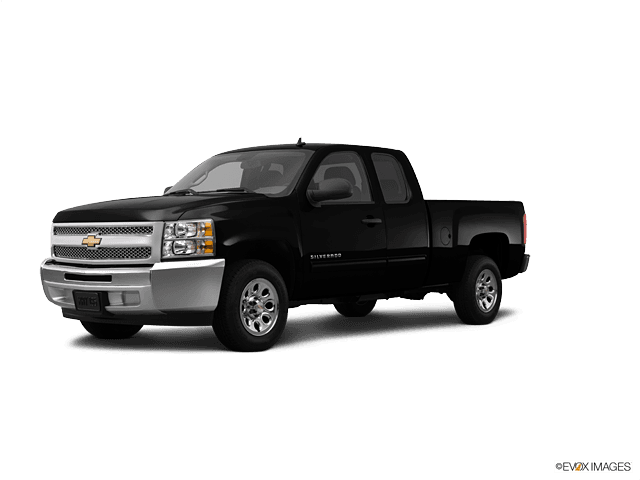









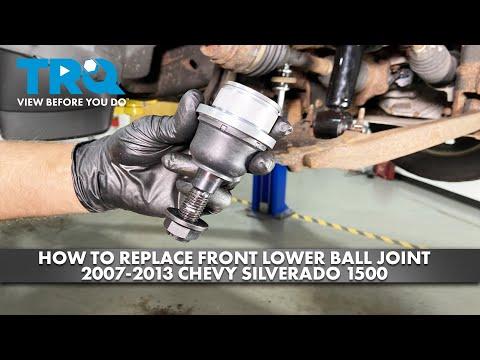







How to Replace Front Ball Joints on a 2008-2013 Chevrolet Silverado 1500
Step-by-step instructions with tools, parts, torque specs, safety tips, and alignment info
How to Replace Front Ball Joints on a 2008-2013 Chevrolet Silverado 1500
Step-by-step instructions with tools, parts, torque specs, safety tips, and alignment info for 2008, 2009, 2010, 2011, 2012, 2013


🔧 Ball Joints - Front Suspension Replacement
The front ball joints on your Silverado connect the steering knuckle to the control arms and let the front wheels move up, down, and turn smoothly. When they wear out, you may get clunks, uneven tire wear, wandering, or looseness in the steering.
Difficulty Level: Advanced | Estimated Time: 5-8 hours
⚠️ Safety & Precautions
- Support the truck with jack stands under the frame. Never work under a vehicle held only by a jack.
- The front suspension is heavy. Keep hands clear when separating the knuckle and control arms.
- If equipped with ABS, do not pull on the wheel speed sensor wire.
- A ball joint press is required for this job. A press is a heavy-duty tool that pushes joints in and out safely.
- Replace ball joints in pairs on the same axle for even handling.
- An alignment is required after the repair.
🔧 Required Tools
You'll need the following tools for this repair:
- Floor jack (rated 3-ton minimum)
- Jack stands (rated 3-ton minimum)
- Wheel chocks
- Safety glasses
- Mechanic gloves
- Breaker bar
- Torque wrench
- 21mm socket
- 24mm socket
- 15mm socket
- 18mm socket
- 34mm socket
- Ratchet
- Combination wrench set
- Ball joint press kit (specialty)
- Hammer
- Pickle fork separator (specialty)
- Penetrating oil
- Bungee cord or mechanic wire
- Grease gun
🔩 Required Parts
HowToo sells all the parts you need for this repair:
- Front upper ball joint set - Qty: 2
- Front lower ball joint set - Qty: 2
- Front ball joint hardware kit - Qty: 1
- Front upper control arm cotter pins - Qty: 2
- Front lower control arm cotter pins - Qty: 2
- Front wheel alignment - Qty: 1
📋 Before You Begin
- Park on level ground and set the parking brake.
- Loosen the front lug nuts before lifting the truck.
- Raise the front and support it securely with jack stands.
- Remove the front wheels for access.
- Spray all ball joint and suspension fasteners with penetrating oil and let it soak.
🔨 Step-by-Step Instructions
Follow these steps in order:
Step 1: Remove the front wheel
- Use a 21mm socket or the correct lug tool to loosen and remove the wheel nuts.
- Set the wheel aside safely.
Step 2: Disconnect the brake components
- Use a 15mm socket to remove the brake caliper bolts.
- Lift the caliper off and hang it with a bungee cord or mechanic wire.
- Use a 15mm socket to remove the caliper bracket if needed for access.
- Do not let the brake hose carry the weight.
Step 3: Remove the rotor
- Pull the brake rotor off the hub.
- If it is stuck, tap it lightly with a hammer.
Step 4: Disconnect the tie rod end and sway bar link if needed
- Use the correct socket and wrench set to remove the tie rod end nut if it blocks knuckle removal.
- Use a pickle fork separator or hammer strike on the knuckle boss to separate the taper.
- If the sway bar link limits movement, remove it with the correct socket and wrench.
Step 5: Separate the upper ball joint from the knuckle
- Use a 21mm socket to remove the upper ball joint nut.
- Leave the nut flush with the stud if needed, then separate the taper with a pickle fork separator or controlled hammer strike.
- Remove the nut and free the knuckle from the upper joint.
Step 6: Separate the lower ball joint from the knuckle
- Use a 21mm socket to remove the lower ball joint nut.
- Support the knuckle so it does not drop suddenly.
- Separate the lower taper with a pickle fork separator if needed.
Step 7: Remove the steering knuckle
- Lift the knuckle away from the ball joints and remove it from the truck.
- Use a bungee cord or mechanic wire to keep it from hanging by the axle or hose.
Step 8: Press out the old ball joints
- Use a ball joint press kit (specialty) to press the old ball joint out of the control arm.
- Follow the press kit adapters that fit the joint size and control arm shape.
- Press one joint out at a time.
- Keep the press square to avoid damage.
Step 9: Press in the new ball joints
- Use the ball joint press kit (specialty) to press the new ball joint into the control arm.
- Make sure the joint seats fully and sits straight.
- Install any supplied snap ring or retaining hardware.
- Greaseable joints should be installed with the grease fitting positioned for access.
Step 10: Reinstall the steering knuckle
- Position the knuckle back onto the lower and upper ball joints.
- Install the ball joint nuts using a 21mm socket.
- Torque the upper and lower ball joint nuts to 85 Nm (63 ft-lbs), then continue to the next cotter pin hole if needed.
- Install new cotter pins.
Step 11: Reassemble the brakes and wheel
- Reinstall the rotor.
- Reinstall the caliper bracket and torque the bolts with a 15mm socket.
- Reinstall the caliper and torque the bolts to factory spec for your brake package if marked differently on the hardware.
- Install the wheel and snug the lug nuts with a 21mm socket.
Step 12: Final torque and repeat on the other side
- Lower the truck and torque the lug nuts to 190 Nm (140 ft-lbs).
- Repeat the same repair on the other side if replacing both sides.
✅ After Repair
- Pump the brake pedal several times before moving the truck.
- Check that all cotter pins are installed.
- Verify the front end is quiet and the steering feels normal.
- Have a front-end alignment performed right away.
- After 25-50 miles, recheck lug nut torque.
- If the new joints are greaseable, add grease with a grease gun until the boots just begin to swell slightly.
💰 DIY vs Shop Cost
Shop Cost: $500-$1,000 (parts + labor)
DIY Cost: $140-$320 (parts only)
You Save: $360-$680 by doing it yourself!
Shop labor rates vary but typically run $100-$150/hour. This repair takes a shop approximately 5-8 hours.
🎯 Ready to get started?
HowToo makes it easy: same-day/2-day shipping on every part, plus all the tools and specialty tools you need! Check out the parts and tools sections below to add everything to your cart.
Guide for Suspension Ball Joint replace for these Chevrolet vehicles
| Year Make Model | Sub Model | Engine | Body Style |
|---|---|---|---|
| 2013 Chevrolet Silverado 1500 | - | - | - |
| 2012 Chevrolet Silverado 1500 | - | - | - |
| 2011 Chevrolet Silverado 1500 | - | - | - |
| 2010 Chevrolet Silverado 1500 | - | - | - |
| 2009 Chevrolet Silverado 1500 | - | - | - |
| 2008 Chevrolet Silverado 1500 | - | - | - |