









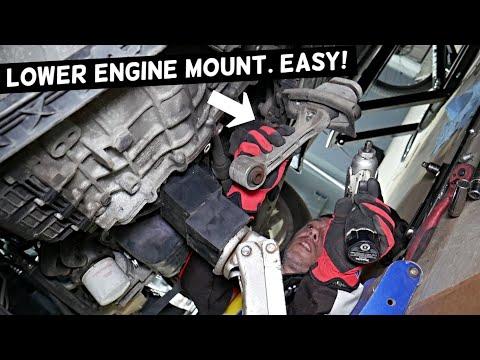







How to Replace Engine Mounts on a 2021 Kia Telluride (Right, Left & Rear Torque Mount)
Step-by-step DIY instructions with required tools/parts, engine support safety tips, and torque spec guidance
How to Replace Engine Mounts on a 2021 Kia Telluride (Right, Left & Rear Torque Mount)
Step-by-step DIY instructions with required tools/parts, engine support safety tips, and torque spec guidance


🔧 Telluride - Engine Mount Replacement
On your Telluride, “engine mounts” can mean the right (passenger-side) engine mount, the left (driver-side) transmission mount, and/or the rear torque mount (also called a “roll stopper,” which limits engine twist). The steps and access are different for each one, so I need one quick detail to give you the exact OEM-correct procedure.
Difficulty Level: Advanced | Estimated Time: 2-6 hours
Quick questions (reply with just the answers):
1) Which mount(s) are you replacing: right engine, left transmission, rear torque, or all?
2) Is your Telluride FWD or AWD (look at your rear badge or tell me if it has a rear driveshaft)?
⚠️ Safety & Precautions
- ⚠️ Never get under the vehicle supported only by a jack; use jack stands.
- ⚠️ You must support the engine before removing any mount; otherwise the engine can drop and damage wiring, hoses, or the radiator.
- ⚠️ Keep hands clear of pinch points while raising/lowering the engine support.
- ⚠️ Let the exhaust cool fully before working near mounts/subframe areas.
🔧 Required Tools
You'll need the following tools for this repair:
- Floor jack (rated 3-ton minimum)
- Jack stands (rated 3-ton minimum)
- Wheel chocks
- Safety glasses
- Mechanic gloves
- 3/8" drive ratchet
- 1/2" drive breaker bar
- Torque wrench (10–200 ft-lbs range)
- Socket set (10mm–22mm)
- Deep socket set (10mm–22mm)
- Wrench set (10mm–22mm)
- Trim clip remover
- Flathead screwdriver
- Engine support bar (specialty)
- Floor jack rubber pad
- Wood block (2x4)
- Penetrating oil
- Paint marker
🔩 Required Parts
HowToo sells all the parts you need for this repair:
- Right engine mount - Qty: 1
- Left transmission mount - Qty: 1
- Rear torque mount (roll stopper) - Qty: 1
- Engine mount hardware kit (one-time-use bolts, if equipped) - Qty: 1
📋 Before You Begin
- Park on level ground, shift to P, and set the parking brake.
- Chock the rear wheels with wheel chocks.
- Open the hood and remove any plastic engine cover by hand if equipped.
- Plan your engine support method: an engine support bar holds the engine from above (safer for mounts). A floor jack with a wood block can support from below, but you must not crush the oil pan.
🔨 Step-by-Step Instructions
Follow these steps in order:
Step 1: Confirm the mount location and access path
- Reply with which mount(s) you’re doing and whether it’s FWD or AWD.
- Use a flashlight (if you have one) and visually locate the mount(s) so we match the correct steps.
- Each mount has different bolt sizes/torques.
Step 2: Safely raise and support the vehicle (if underside access is needed)
- Use a floor jack (rated 3-ton minimum) to lift at the front center jacking point.
- Place jack stands (rated 3-ton minimum) at the proper front support points and lower the vehicle onto them.
- Shake the vehicle lightly to confirm it’s stable.
Step 3: Support the engine before loosening any mount
- Preferred: Install an engine support bar (specialty) across the strut towers and tension it to just take engine weight.
- Alternate: Use a floor jack rubber pad plus a wood block (2x4) to gently support the engine from below.
- Lift only enough to remove mount load.
Step 4: Remove the mount (procedure depends on which mount)
- Once you answer the 2 questions above, I’ll give the exact Telluride-specific removal order, what needs to come off for access, and the correct Torque to XX Nm (YY ft-lbs) values for each bolt.
✅ After Repair
- Double-check all mount fasteners are fully seated and torqued (I’ll provide the exact torque specs once mount selection is confirmed).
- Start the engine and watch for excessive engine movement while shifting from P → R → D with your foot on the brake.
- Test drive and listen for clunks on acceleration/braking.
- Recheck for any loose fasteners after the test drive.
💰 DIY vs Shop Cost
Shop Cost: $600-$1,600 (parts + labor)
DIY Cost: $150-$600 (parts only)
You Save: $450-$1,000 by doing it yourself!
Shop labor rates vary but typically run $100-$150/hour. This repair takes a shop approximately 2-6 hours.
🎯 Ready to get started?
HowToo makes it easy: same-day/2-day shipping on every part, plus all the tools and specialty tools you need! Check out the parts and tools sections below to add everything to your cart.