









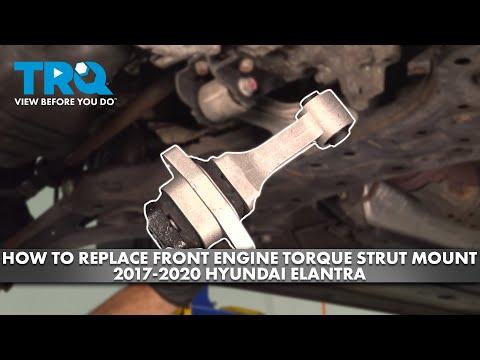







How to Replace Engine Mounts on a 2018 Hyundai Ioniq (Hybrid)
Step-by-step mount swap guide with required tools, safety tips, support methods, and torque-spec notes for 2017, 2018, 2019, 2020, 2021, 2022
How to Replace Engine Mounts on a 2018 Hyundai Ioniq (Hybrid)
Step-by-step mount swap guide with required tools, safety tips, support methods, and torque-spec notes for 2017, 2018, 2019, 2020, 2021, 2022


🔧 Ioniq - Engine Mount Replacement
On your Ioniq, the “engine mounts” are several mounts that support the engine/transaxle and control drivetrain movement. The exact steps and torque specs depend on which mount you’re replacing (right upper, left trans mount, or lower torque/roll mount).
Difficulty Level: Advanced | Estimated Time: 2-5 hours
⚠️ Safety & Precautions
- Support the drivetrain before loosening any mount. If it drops, it can damage wiring, hoses, and the exhaust.
- Never rely on a floor jack alone—use jack stands on solid points.
- Keep hands clear when raising/lowering the engine support—small movements can pinch.
- Hybrid caution: avoid orange high-voltage cables and connectors; do not pull/strain them while shifting the powertrain.
- If you’ll remove/shift wiring brackets near a mount, disconnect the 12V battery negative terminal first.
🔧 Required Tools
You'll need the following tools for this repair:
- Floor jack (rated 3-ton minimum)
- Jack stands (rated 3-ton minimum)
- Wheel chocks
- Safety glasses
- Mechanic gloves
- Metric socket set (8mm-19mm)
- Metric wrench set (10mm-19mm)
- Ratchet (3/8" drive)
- Breaker bar (1/2" drive)
- Torque wrench (10-200 Nm range)
- Trim clip removal tool
- Flathead screwdriver
- Engine support bar (specialty)
- Wood block (2x4, ~12" long)
- Paint marker
- Flashlight
🔩 Required Parts
HowToo sells all the parts you need for this repair:
- Engine mount - Qty: 1
- Mount fastener set - Qty: 1
📋 Before You Begin
- Park on level ground, shift to Park, and set the parking brake. Chock the rear wheels.
- Open the hood and remove any loose items so nothing falls into the engine bay.
- If you’ll work near harnesses/brackets, disconnect the 12V battery negative terminal using a 10mm socket.
- Plan how you’ll support the drivetrain: the safest method is an engine support bar (specialty) across the strut towers. This holds the engine from above.
🔨 Step-by-Step Instructions
Follow these steps in order:
Step 1: Confirm which mount you’re replacing
- Look for the mount location:
- Right upper mount: passenger-side, near the belt/engine side, bolted to the body and engine bracket.
- Left upper mount: driver-side, on top of the transmission, bolted to the body and transmission bracket.
- Lower torque/roll mount: lower area (often near subframe), controls fore/aft rocking.
- Use a flashlight and a paint marker to mark the current position of any slotted brackets (if present).
Step 2: Safely raise and support the car (if needed)
- Place wheel chocks behind the rear wheels.
- Lift the front with a floor jack (rated 3-ton minimum) and support with jack stands (rated 3-ton minimum).
- Give the car a firm shake test before going underneath.
Step 3: Support the drivetrain
- Install the engine support bar (specialty) across the strut towers per its instructions.
- Take up light tension until the engine just begins to “feel supported.”
- If you must support from below: place a wood block (2x4, ~12" long) on the floor jack and gently contact a strong flat area of the engine/transmission case. Do not jack on plastic covers.
Step 4: Remove access covers/ducting (varies by mount)
- Remove any top plastic covers using a flathead screwdriver and trim clip removal tool.
- If an air duct/box blocks access, loosen clamps/fasteners using the correct size from your metric socket set (8mm-19mm).
Step 5: STOP — I need 2 quick answers before bolt-by-bolt steps and torque specs
- Which mount are you replacing on your Ioniq: right upper, left upper (trans), or lower torque/roll?
- Do you have an engine support bar, or will you be supporting from below with a jack and wood block?
✅ After Repair
- After the mount is replaced and torqued, start the car and let it idle while you watch for excessive movement.
- Test drive gently and check for clunks on start/stop and light acceleration.
- Recheck for loose fasteners and any tools left in the engine bay.
💰 DIY vs Shop Cost
Shop Cost: $450-$1,200 (parts + labor)
DIY Cost: $80-$350 (parts only)
You Save: $370-$850 by doing it yourself!
Shop labor rates vary but typically run $100-$150/hour. This repair takes a shop approximately 2-4 hours.
🎯 Ready to get started?
HowToo makes it easy: same-day/2-day shipping on every part, plus all the tools and specialty tools you need! Check out the parts and tools sections below to add everything to your cart.