









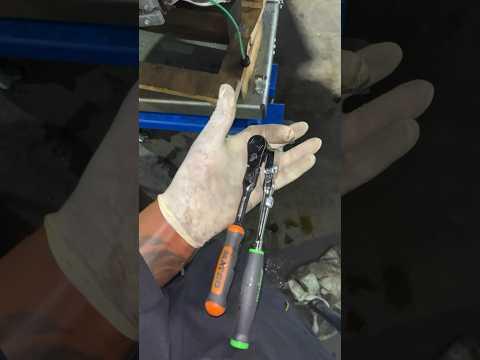







How to Replace Engine Mounts on a 2016 Subaru Forester (Left & Right)
Step-by-step DIY engine mount replacement with required tools, parts list, safety tips, and torque specs for 2014, 2015, 2016, 2017, 2018
How to Replace Engine Mounts on a 2016 Subaru Forester (Left & Right)
Step-by-step DIY engine mount replacement with required tools, parts list, safety tips, and torque specs for 2014, 2015, 2016, 2017, 2018


🔧 Forester - Engine Mount Replacement
Worn engine mounts let the engine move too much, which can cause clunks, vibration, and harsh shifting/“thump” on throttle changes. On your Forester, you’ll support the engine safely, remove the left and right engine mounts, and install new mounts in the same positions.
Difficulty Level: Advanced | Estimated Time: 3-6 hours
Assumption: Replacing both left and right engine mounts (not the transmission mount).
⚠️ Safety & Precautions
- 🛑 Support the vehicle with jack stands on solid points; never rely on a floor jack.
- 🛑 Support the engine before removing mount hardware; an unsupported engine can drop and damage hoses/wiring.
- 🛑 Let the exhaust/turbo area cool fully; burns happen fast near the turbocharger.
- 🛑 Keep hands clear while raising/lowering the engine with the jack.
- 🛑 Battery: Disconnecting the negative cable is recommended to reduce accidental short risk while working near the starter/engine harness.
🔧 Required Tools
You'll need the following tools for this repair:
- Safety glasses
- Mechanic gloves
- Wheel chocks
- Floor jack (rated 3-ton minimum)
- Jack stands (rated 3-ton minimum)
- Wood block (2x6 or similar, 12-18 in long)
- 10mm socket
- 12mm socket
- 14mm socket
- 17mm socket
- 19mm socket
- 3/8 in ratchet
- 1/2 in breaker bar
- Socket extension set (3 in, 6 in, 12 in)
- Universal swivel joint
- Torque wrench (10-200 ft-lb range)
- Flat-blade screwdriver
- Hose clamp pliers
- Trim clip removal tool
- Pry bar (12-18 in)
- Penetrating oil
- Paint marker
- Work light
🔩 Required Parts
HowToo sells all the parts you need for this repair:
- Left engine mount - Qty: 1
- Right engine mount - Qty: 1
- Engine mount self-locking nuts - Qty: 4
📋 Before You Begin
- 🅿️ Park on level ground, set the parking brake, and place wheel chocks at the rear wheels.
- 🔋 Open the hood and disconnect the battery negative cable using a 10mm socket.
- 🛠️ Raise the front and support it on jack stands at the proper front support points.
- 💡 Spray mount fasteners with penetrating oil and let it soak while you set up.
🔨 Step-by-Step Instructions
Follow these steps in order:
Step 1: Remove the lower engine undercover
- Use a trim clip removal tool to pop out the plastic clips.
- Use a 12mm socket to remove any bolts holding the undercover, then set it aside.
Step 2: Remove the top-mount intercooler (for access)
- Intercooler = aluminum “radiator” on top of engine.
- Use a flat-blade screwdriver to loosen the charge-pipe hose clamps.
- Use hose clamp pliers to release any spring clamps on small hoses.
- Use a 12mm socket to remove the intercooler mounting bolts.
- Lift the intercooler up and out carefully (don’t tear the rubber couplers).
Step 3: Support the engine safely
- Wood block spreads load to protect the oil pan.
- Place the wood block on the floor jack saddle.
- Position it under the engine oil pan area and raise the jack until it just contacts and slightly supports the engine (do not lift the car).
- Use a paint marker to mark mount orientation/alignment points you can see.
Step 4: Loosen mount-to-subframe nuts (both sides)
- From underneath, locate the two engine mount studs/nuts (one per side) going down into the front subframe.
- Use a 17mm socket and breaker bar to loosen/remove the nuts.
- If needed, use a work light and a socket extension set for better reach.
- When reinstalling: Torque to 50 N·m (37 ft-lb).
Step 5: Remove the right engine mount
- From above and below, locate the right mount where it bolts to the engine bracket and sits on the subframe.
- Use a 14mm socket, socket extension set, and universal swivel joint to remove the mount-to-bracket bolts.
- Slowly raise the engine a small amount using the floor jack so the mount can slide out. Go in tiny moves and watch hoses/wiring.
- Use a pry bar gently only if the mount is stuck in place.
- When reinstalling mount-to-bracket bolts: Torque to 70 N·m (52 ft-lb).
Step 6: Remove the left engine mount
- Repeat the same process on the left side.
- Use a 14mm socket with the socket extension set and universal swivel joint to remove mount-to-bracket bolts.
- Adjust engine height with the floor jack to create enough clearance to remove the mount.
- When reinstalling mount-to-bracket bolts: Torque to 70 N·m (52 ft-lb).
Step 7: Install the new mounts and align the engine
- Set each new mount into position exactly like the old one (match your paint marker reference).
- Start mount-to-bracket bolts by hand first to avoid cross-threading, then snug using a 14mm socket.
- Lower/raise the engine slightly using the floor jack until the mount studs drop cleanly through the subframe holes.
- Install new self-locking nuts on the studs by hand, then snug with a 17mm socket.
Step 8: Final torque of mount fasteners
- With the engine sitting naturally on the mounts (jack just touching, not lifting), torque the mount-to-bracket bolts using a torque wrench: Torque to 70 N·m (52 ft-lb).
- Torque the mount-to-subframe nuts using a torque wrench: Torque to 50 N·m (37 ft-lb).
- Lower the floor jack fully and remove it from under the engine.
Step 9: Reinstall the intercooler and undercover
- Reinstall the intercooler and start the bolts by hand, then tighten using a 12mm socket.
- Tighten the hose clamps using a flat-blade screwdriver.
- Reinstall the lower undercover using the trim clip removal tool and 12mm socket.
- Reconnect the battery negative cable using a 10mm socket.
✅ After Repair
- 🔍 Start the engine and let it idle. Watch for excessive engine movement, new noises, or warning lights.
- 🔍 Listen for boost/air leaks (hissing) around the intercooler hoses; re-tighten clamps with a flat-blade screwdriver if needed.
- 🚗 Test drive gently first. Check for clunks on takeoff and on/off throttle transitions.
- 🧰 Recheck visible fasteners after the first drive; confirm nothing shifted.
💰 DIY vs Shop Cost
Shop Cost: $800-$1,500 (parts + labor)
DIY Cost: $200-$600 (parts only)
You Save: $600-$900 by doing it yourself!
Shop labor rates vary but typically run $100-$150/hour. This repair takes a shop approximately 3-6 hours.
🎯 Ready to get started?
HowToo makes it easy: same-day/2-day shipping on every part, plus all the tools and specialty tools you need! Check out the parts and tools sections below to add everything to your cart.