









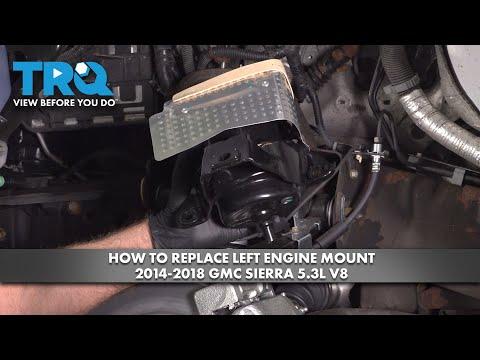







How to Replace Engine Mounts on a 2016 Chevrolet Suburban (Step-by-Step Repair Guide)
Tools, parts list, safety tips, and torque specs to fix clunks, vibration, and engine movement for 2015, 2016, 2017, 2018, 2019, 2020
How to Replace Engine Mounts on a 2016 Chevrolet Suburban (Step-by-Step Repair Guide)
Tools, parts list, safety tips, and torque specs to fix clunks, vibration, and engine movement for 2015, 2016, 2017, 2018, 2019, 2020


🔧 Suburban - Engine Mount Replacement
Engine mounts hold your engine in the correct position and absorb vibration. When a mount tears or collapses, you can get clunks on takeoff, excess vibration, or the engine “shifts” during acceleration/braking.
Difficulty Level: Advanced | Estimated Time: 3-6 hours
Assumption: fastener torques listed match common Suburban 5.3L specs—verify with OEM service info for your exact fasteners.
⚠️ Safety & Precautions
- ⚠️ Support the truck with jack stands on the frame—never rely on a floor jack.
- ⚠️ Support the engine before removing any mount hardware; the engine can drop and pinch hands/wiring.
- ⚠️ Do not jack directly on the oil pan without a wood block to spread the load.
- ⚠️ Keep hands clear between mount brackets and frame while lifting/lowering the engine.
- ⚠️ Let exhaust parts cool fully; the right side is close to the exhaust.
- ⚠️ Recommended: disconnect the negative battery cable to avoid accidental shorts near the starter wiring.
🔧 Required Tools
You'll need the following tools for this repair:
- Floor jack (rated 3-ton minimum)
- Jack stands (rated 3-ton minimum)
- Wheel chocks
- Safety glasses
- Mechanic gloves
- 10mm socket
- 13mm socket
- 15mm socket
- 18mm socket
- 21mm socket
- 3/8" drive ratchet
- 1/2" drive breaker bar
- Socket extension set (3", 6", 12")
- Universal joint adapter
- Torque wrench (20-200 ft-lbs)
- Pry bar
- Trim clip removal tool
- Penetrating oil
- Wood block (2x6 or 2x8)
- Engine support bar (specialty)
🔩 Required Parts
HowToo sells all the parts you need for this repair:
- Left engine mount - Qty: 1
- Right engine mount - Qty: 1
- Engine mount hardware kit (nuts/bolts) - Qty: 1
📋 Before You Begin
- Park on level ground, set the parking brake, and chock the rear wheels.
- Raise the front and support the frame with jack stands.
- Disconnect the negative battery cable using a 10mm socket.
- Plan to replace mounts as a pair (left and right) to keep engine height and vibration balanced.
- Engine support bar = a top brace that holds the engine.
🔨 Step-by-Step Instructions
Follow these steps in order:
Step 1: Remove the lower splash shield/skid plate (if equipped)
- Use a trim clip removal tool for plastic push-clips (if present).
- Remove bolts with a 15mm socket and 3/8" ratchet.
- Set the shield/plate aside.
Step 2: Support the engine safely
- Option A (preferred): Install an engine support bar (specialty) across the fenders and take light tension on the engine lifting point(s).
- Option B: Place a floor jack under the engine with a wood block between the jack pad and the oil pan, then lift only until the weight just starts to come off the mounts.
- Lift slowly—watch hoses and wiring.
Step 3: Soak mount fasteners
- Spray penetrating oil on the mount-to-frame nuts/bolts and the mount through-bolts using penetrating oil.
- Wait 5–10 minutes.
Step 4: Remove the left mount through-bolt
- From underneath, locate the left mount (driver side) between the engine bracket and the frame perch.
- Use an 18mm socket, breaker bar, and extensions to remove the mount through-bolt/nut (use a universal joint adapter if needed).
- If the bolt is tight in the mount, slightly raise/lower the engine with the floor jack to relieve pressure and slide it out.
- Reinstall later: Torque to 100 Nm (74 ft-lbs).
Step 5: Remove the left mount from the frame perch
- Remove the mount-to-frame fasteners using a 15mm socket or 18mm socket (varies by hardware).
- Lift the engine slightly using the floor jack (or tighten the engine support bar) to create clearance.
- Work the mount out. Use a pry bar gently if needed.
- Reinstall later: Torque mount-to-frame fasteners to 75 Nm (55 ft-lbs).
Step 6: Remove the right mount through-bolt
- Locate the right mount (passenger side). Exhaust components may limit access.
- Use an 18mm socket, breaker bar, and extensions to remove the mount through-bolt/nut.
- Adjust engine height with the floor jack to slide the bolt out without binding.
- Reinstall later: Torque to 100 Nm (74 ft-lbs).
Step 7: Remove the right mount from the frame perch
- Remove the mount-to-frame fasteners using a 15mm socket or 18mm socket.
- Lift the engine slightly using the floor jack to gain clearance and remove the mount.
- Reinstall later: Torque mount-to-frame fasteners to 75 Nm (55 ft-lbs).
Step 8: Install the new mounts (one side at a time)
- Set the new mount into the frame perch by hand.
- Start the mount-to-frame fasteners by hand first (prevents cross-threading).
- Lower/raise the engine with the floor jack until the engine bracket lines up with the mount sleeve.
- Slide the through-bolt in by hand; use a pry bar gently to align holes if needed.
- Snug fasteners with a ratchet only; do final torque with a torque wrench.
Step 9: Final torque (with engine sitting naturally)
- Lower the engine fully so it rests on the mounts (still keep light support).
- Torque the mount-to-frame fasteners using a torque wrench: Torque to 75 Nm (55 ft-lbs).
- Torque both mount through-bolts using a torque wrench: Torque to 100 Nm (74 ft-lbs).
- Remove the engine support bar (specialty) or lower/remove the floor jack.
Step 10: Reinstall splash shield/skid plate
- Reinstall bolts using a 15mm socket and ratchet.
- Reinstall push-clips using a trim clip removal tool (as needed).
Step 11: Reconnect the battery
- Reconnect the negative battery cable using a 10mm socket.
✅ After Repair
- Start the engine with the hood open and watch for excessive engine movement while shifting from Park to Reverse to Drive (hold the brake firmly).
- Listen for clunks and check that nothing is contacting the exhaust, fan shroud, or steering components.
- Road test at low speed first. Recheck mount fasteners for tightness if you heard any new noise.
- Expect less vibration and smoother shifts.
💰 DIY vs Shop Cost
Shop Cost: $700-$1,400 (parts + labor)
DIY Cost: $150-$450 (parts only)
You Save: $550-$950 by doing it yourself!
Shop labor rates vary but typically run $100-$150/hour. This repair takes a shop approximately 3-6 hours.
🎯 Ready to get started?
HowToo makes it easy: same-day/2-day shipping on every part, plus all the tools and specialty tools you need! Check out the parts and tools sections below to add everything to your cart.