









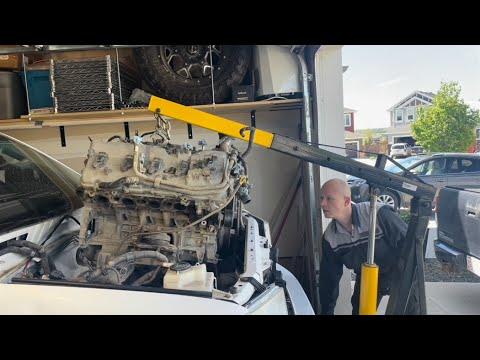







How to Replace Engine Mounts on a 2014 Toyota Tundra (Fix Clunks & Vibration)
Step-by-step DIY instructions with required tools/parts, safety tips, and OEM torque spec notes for 2007, 2008, 2009, 2010, 2011, 2012, 2013, 2014, 2015, 2016, 2017, 2018, 2019, 2020, 2021
How to Replace Engine Mounts on a 2014 Toyota Tundra (Fix Clunks & Vibration)
Step-by-step DIY instructions with required tools/parts, safety tips, and OEM torque spec notes for 2007, 2008, 2009, 2010, 2011, 2012, 2013, 2014, 2015, 2016, 2017, 2018, 2019, 2020, 2021


🔧 Tundra - Engine Mount Replacement
Replacing the engine mounts on your Tundra means supporting the engine, unbolting the old mounts, and installing new ones to reduce vibration and prevent drivetrain movement. Worn mounts can cause clunks on acceleration/braking, extra vibration in the cab, and exhaust/driveline stress.
Difficulty Level: Advanced | Estimated Time: 3-6 hours
Assumption: Stock 5.7L 4WD layout; torque values vary by bolt location—use OEM torque specs where noted.
⚠️ Safety & Precautions
- 🛑 Never get under a truck supported only by a jack; use jack stands on the frame.
- 🛑 Support the engine before removing mount nuts/bolts; an unsupported engine can drop and pinch hands or damage wiring.
- 🔥 Work on a cool engine; exhaust parts near the mounts can burn you.
- 🔌 Disconnect the negative battery terminal to prevent accidental shorts near the starter/ground cables.
- 🪵 Always put a wood block between the jack and oil pan; it spreads the load so you don’t dent the pan.
🔧 Required Tools
You'll need the following tools for this repair:
- Wheel chocks
- Floor jack (rated 3-ton minimum)
- Jack stands (rated 3-ton minimum)
- Wood block (2x6 or similar)
- Safety glasses
- Mechanic gloves
- 10mm socket
- 12mm socket
- 14mm socket
- 17mm socket
- 19mm socket
- Ratchet (3/8")
- Ratchet (1/2")
- Socket extension set (3", 6", 12")
- Universal joint adapter (swivel)
- Breaker bar (1/2")
- Torque wrench (10–200 ft-lbs range)
- Pry bar (18")
- Trim clip remover
- Penetrating oil
- Paint marker
- Engine support bar (specialty)
🔩 Required Parts
HowToo sells all the parts you need for this repair:
- Left engine mount - Qty: 1
- Right engine mount - Qty: 1
- Engine mount hardware kit (nuts/bolts) - Qty: 1
- Medium-strength threadlocker - Qty: 1
📋 Before You Begin
- Park on level ground, set the parking brake, and place wheel chocks behind the rear tires.
- Open the hood and disconnect the battery using a 10mm socket (negative terminal first).
- Spray penetrating oil on the engine mount fasteners (top and bottom) and let it soak for 10–15 minutes.
- If you have an engine support bar (specialty) (a bar that holds the engine from above), set it up now; otherwise you’ll support the engine from below with a jack and wood block.
🔨 Step-by-Step Instructions
Follow these steps in order:
Step 1: Raise and support your Tundra
- Use a floor jack (rated 3-ton minimum) to lift the front of the truck at the proper front jacking point.
- Set the frame securely onto jack stands (rated 3-ton minimum) and give the truck a firm shake test.
Step 2: Remove front skid plates/splash shields
- Remove bolts/clips using a 12mm socket, 14mm socket, and trim clip remover.
- Set hardware aside in a tray so nothing gets lost.
Step 3: Support the engine safely
- Position a floor jack (rated 3-ton minimum) under the engine oil pan area.
- Place a wood block (2x6 or similar) on the jack pad before contacting the pan.
- Jack up only until the wood block just starts to carry engine weight. Do not lift the truck.
Step 4: Locate the left and right engine mounts
- Use a work light (use what you have) to view the mounts: they sit between the engine brackets and the frame perches, one on each side.
- Use a paint marker to mark mount orientation and nearby brackets so you can match the new mount position.
Step 5: Loosen (do not fully remove yet) the mount-to-frame nuts
- On each side, loosen the lower fasteners using a 17mm socket or 19mm socket (size can vary by hardware) with a breaker bar (1/2").
- Leave the nuts threaded a few turns for safety while you loosen the top fasteners.
Step 6: Loosen the mount-to-engine bracket fasteners
- Access the upper mount/bracket bolts from above and/or below using a 14mm socket, 17mm socket, socket extension set (3", 6", 12"), and universal joint adapter (swivel).
- Break them loose with a ratchet (1/2") or breaker bar (1/2") as needed.
Step 7: Raise the engine slightly to unload the mounts
- Slowly pump the floor jack (rated 3-ton minimum) to lift the engine just enough to create a small gap at the mounts.
- Watch for anything stretching: fan shroud clearance, radiator hoses, wiring, and exhaust connections.
- If the engine doesn’t lift easily, stop and re-check that all mount fasteners are fully loosened.
Step 8: Remove the left engine mount
- Fully remove the lower nut(s) using a 17mm socket or 19mm socket.
- Remove the upper fasteners using a 14mm socket / 17mm socket with socket extension set (3", 6", 12").
- Work the mount out of the pocket; use a pry bar (18") gently if it’s stuck.
Step 9: Install the new left engine mount
- Position the new mount the same way the old one came out (use your paint marker marks as a guide).
- Start all bolts/nuts by hand to avoid cross-threading.
- If using new hardware, apply medium-strength threadlocker to clean threads (a small amount).
- Snug fasteners using a ratchet (3/8"), but do not final-torque yet.
Step 10: Repeat removal/installation on the right engine mount
- Remove the right mount fasteners using a 17mm socket / 19mm socket and socket extension set (3", 6", 12").
- Swap in the new right mount, start all threads by hand, and snug using a ratchet (3/8").
Step 11: Lower the engine and align the mounts
- Slowly lower the engine with the floor jack (rated 3-ton minimum) until the mounts seat naturally.
- If holes don’t line up, raise/lower the engine a few millimeters and use a pry bar (18") lightly to align.
Step 12: Final-torque all engine mount fasteners
- Use a torque wrench (10–200 ft-lbs range) to tighten all mount-to-engine and mount-to-frame fasteners.
- Torque to OEM specification (Toyota service manual) for each fastener location.
- Mark each torqued fastener with a line using a paint marker so you know it’s done.
Step 13: Reinstall skid plates/splash shields
- Reinstall shields using a 12mm socket, 14mm socket, and trim clip remover.
- Snug bolts evenly so panels don’t bind.
Step 14: Reconnect battery and lower the truck
- Reconnect the negative terminal using a 10mm socket.
- Raise slightly with the floor jack (rated 3-ton minimum), remove jack stands (rated 3-ton minimum), and lower to the ground.
✅ After Repair
- Start the engine and let it idle; listen for clunks and watch for excessive engine movement.
- Shift from Park to Reverse to Drive with your foot on the brake; the engine should no longer “thump” over.
- Take a short test drive and re-check underneath for any loose shields or hardware.
- Re-check mount fasteners after a few heat cycles if you had to fight alignment. Quick recheck prevents comebacks.
💰 DIY vs Shop Cost
Shop Cost: $900-$1,800 (parts + labor)
DIY Cost: $200-$600 (parts only)
You Save: $700-$1,200 by doing it yourself!
Shop labor rates vary but typically run $100-$150/hour. This repair takes a shop approximately 3-6 hours.
🎯 Ready to get started?
HowToo makes it easy: same-day/2-day shipping on every part, plus all the tools and specialty tools you need! Check out the parts and tools sections below to add everything to your cart.