









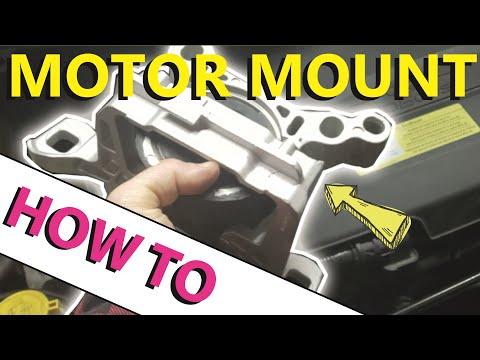







How to Replace Engine Mounts on a 2013 Ford Escape (Right, Transmission & Torque Strut)
Step-by-step DIY instructions with required tools/parts, engine support tips, and post-repair checks
How to Replace Engine Mounts on a 2013 Ford Escape (Right, Transmission & Torque Strut)
Step-by-step DIY instructions with required tools/parts, engine support tips, and post-repair checks


🔧 Escape - Engine Mount Replacement
Your Escape uses multiple mounts (typically a right-side engine mount, a transmission-side mount, and a lower “torque strut” mount). The steps and torque specs change depending on which one you’re replacing and whether you’re doing one or all of them.
Difficulty Level: Intermediate | Estimated Time: 1.0-4.0 hours (depends on which mount)
⚠️ Safety & Precautions
- ⚠️ Never get under the vehicle supported only by a jack—use jack stands.
- ⚠️ The engine must be supported before loosening any mount bolts.
- ⚠️ Keep hands clear when raising/lowering the engine—pinch hazard.
- ⚠️ Let the engine cool before working near the turbo/exhaust.
🔧 Required Tools
You'll need the following tools for this repair:
- Floor jack (rated 3-ton minimum)
- Jack stands (rated 3-ton minimum)
- Wheel chocks
- Safety glasses
- Mechanic gloves
- Torque wrench (10–200 ft-lbs range)
- Socket set (8mm–21mm)
- Ratchet (3/8" drive)
- Breaker bar (1/2" drive)
- Extensions set (3" and 6")
- Swivel/U-joint adapter (3/8" drive)
- Trim clip remover
- Flathead screwdriver
- Wood block (2x6)
- Engine support bar (specialty)
🔩 Required Parts
HowToo sells all the parts you need for this repair:
- Right-side engine mount (passenger side) - Qty: 1
- Transmission mount (driver side) - Qty: 1
- Lower torque strut mount (dogbone) - Qty: 1
- New engine mount fasteners (one-time-use, if required) - Qty: 1 set
📋 Before You Begin
- Park on level ground, shift to Park, set the parking brake, and chock the rear wheels.
- Open the hood and remove loose items around the engine bay.
- Plan how you’ll support the engine: an engine support bar (a bar that spans the fenders and holds the engine from above) is the safest; a jack + wood block under the oil pan can work for light support, but don’t crush the oil pan.
🔨 Step-by-Step Instructions
Follow these steps in order:
Before I generate the exact step-by-step (with correct torque specs), answer these 2 quick questions:
- Which mount(s) are you replacing? Right-side engine mount, transmission mount, lower torque strut, or all three?
- Can you upload a photo of the mount area you’re working on (or tell me which one is torn/leaking)?
Once I know which mount, I’ll give the exact bolt locations and torque specs.
✅ After Repair
- Start the engine and let it idle. Listen for clunks and watch for excessive engine movement.
- Shift from Park to Reverse to Drive with your foot on the brake and listen for abnormal knocks.
- Test drive at low speed first, then recheck for any loosened fasteners.
💰 DIY vs Shop Cost
Shop Cost: $450-$1,200 (parts + labor)
DIY Cost: $120-$450 (parts only)
You Save: $330-$750 by doing it yourself!
Shop labor rates vary but typically run $100-$150/hour. This repair takes a shop approximately 1.5-4.0 hours.
🎯 Ready to get started?
HowToo makes it easy: same-day/2-day shipping on every part, plus all the tools and specialty tools you need! Check out the parts and tools sections below to add everything to your cart.