









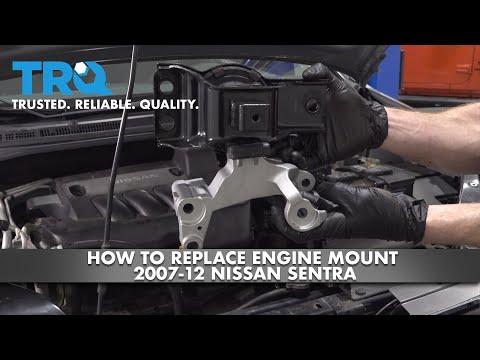





How to Replace Engine Mounts on a 2013-2019 Nissan Sentra (Engine: Inline 4 1.8L)
Step-by-step instructions with safety tips, tools, parts, and torque guidance
How to Replace Engine Mounts on a 2013-2019 Nissan Sentra (Engine: Inline 4 1.8L)
Step-by-step instructions with safety tips, tools, parts, and torque guidance for 2013, 2014, 2015, 2016, 2017, 2018, 2019


🔧 Engine Mounts - Replacement
The mounts hold the engine and transmission in place and absorb vibration. When they crack, collapse, or separate, you can get clunks, harsh vibration, and movement on acceleration or shifting. On your Sentra, replace the mounts one at a time so the engine stays supported and aligned.
Difficulty Level: Intermediate | Estimated Time: 3-5 hours
⚠️ Safety & Precautions
- Support the engine before removing any mount. Use a jack with a wood block under the oil pan or an engine support bar.
- Do not lift directly on the oil pan with a bare jack pad.
- Keep hands clear while raising or lowering the engine. The engine can shift suddenly.
- If the battery or starter wiring is close to your work area, disconnect the negative battery cable first.
- Work on a cold engine and park on level ground with the parking brake set.
🔧 Required Tools
You'll need the following tools for this repair:
- Metric socket set
- Metric ratchet set
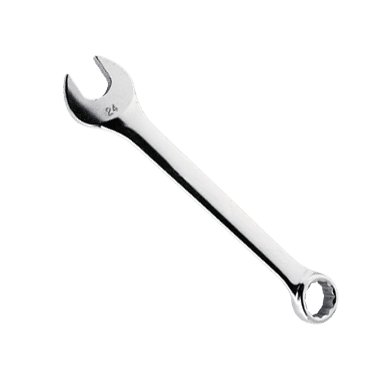
- Metric wrench set
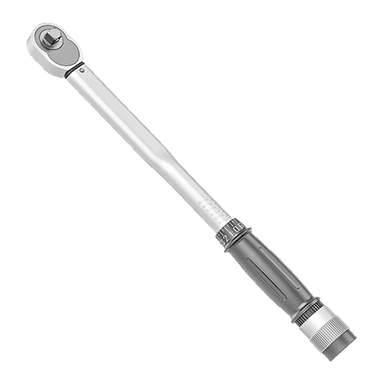
- Torque wrench
- Floor jack (rated 3-ton minimum)
- Jack stands
- Wood block
- Breaker bar
- Trim clip tool
- Screwdriver set
- Safety glasses
- Mechanic gloves
🔩 Required Parts
HowToo sells all the parts you need for this repair:
- Engine mount(s) - Qty: 1 set
- Mount bolts and nuts - Qty: 1 set
- Replacement splash shield clips - Qty: 1 set
📋 Before You Begin
- Park on level ground and set the parking brake.
- Open the hood and remove the engine cover if equipped.
- Loosen but do not remove any fasteners that are under load until the engine is supported.
- Disconnect the negative battery cable if your hand or tools will be near exposed wiring.
- Replace one mount at a time.
🔨 Step-by-Step Instructions
Follow these steps in order:
Step 1: Support the engine
- Place a floor jack under the oil pan with a wood block between the jack and pan.
- Raise the jack just enough to hold the engine weight. Do not lift the car.
- If the vehicle has an upper engine support bar, use that instead of a jack.
Step 2: Remove access covers and splash shields
- Use a socket set and screwdriver set to remove any undercovers, air ducts, or battery tray parts blocking the mount.
- Keep all clips and fasteners organized.
Step 3: Loosen the mount fasteners
- Use the metric socket set and breaker bar to loosen the mount-to-bracket bolts and mount-to-body bolts.
- If the bolts are under tension, slightly raise or lower the engine with the floor jack until the bolts slide out easily.
- Move the engine gently, not forcefully.
Step 4: Remove the old mount
- Use the metric socket set and wrench set to remove the mount from the vehicle.
- Inspect the rubber for cracks, tears, or separation from the metal bracket.
Step 5: Install the new mount
- Position the new mount in place by hand first.
- Start all bolts by hand before tightening any of them.
- Use the floor jack to fine-tune engine height so the bolt holes line up.
Step 6: Tighten the mount fasteners
- Use the torque wrench to tighten all mount fasteners evenly.
- Torque to factory specification for the exact mount and fastener location.
- Final torque values can vary by mount position and hardware revision.
Step 7: Reinstall removed components
- Use the socket set and screwdriver set to reinstall shields, trays, ducts, and covers.
- Reinstall any clips you removed.
Step 8: Repeat for the remaining mount(s)
- Lower the engine back onto the first completed mount before moving to the next one.
- Support the engine again and repeat the same process for each additional mount.
✅ After Repair
- Start the engine and let it idle in Park.
- Shift into Drive and Reverse with your foot on the brake. Watch for excessive engine movement.
- Listen for clunks, rattles, or contact with nearby brackets.
- Take a short test drive over smooth and rough pavement.
- Recheck all fasteners after the test drive if anything feels loose.
💰 DIY vs Shop Cost
Shop Cost: $600-$1,200 (parts + labor)
DIY Cost: $120-$450 (parts only)
You Save: $480-$750 by doing it yourself!
Shop labor rates vary but typically run $100-$150/hour. This repair takes a shop approximately 3-5 hours.
🎯 Ready to get started?
HowToo makes it easy: same-day/2-day shipping on every part, plus all the tools and specialty tools you need! Check out the parts and tools sections below to add everything to your cart.