









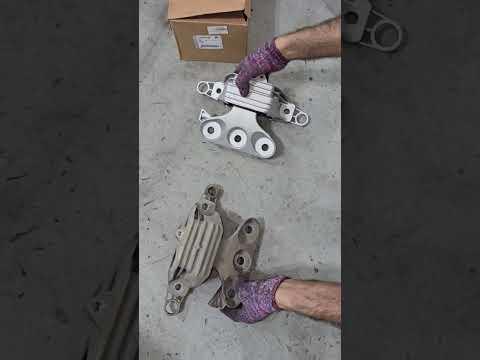







How to Replace Engine Mounts on a 2013-2015 Chevrolet Malibu (All Mount Locations) (Engine: Inline 4 2.5L)
Step-by-step DIY instructions, required tools/parts, safe engine support tips, and torque spec guidance
How to Replace Engine Mounts on a 2013-2015 Chevrolet Malibu (All Mount Locations) (Engine: Inline 4 2.5L)
Step-by-step DIY instructions, required tools/parts, safe engine support tips, and torque spec guidance for 2013, 2014, 2015


🔧 Malibu - Engine Mount Replacement (Planning + Safe Setup)
Engine mounts hold the engine/transmission in place and reduce vibration. Replacing them is very doable, but the exact steps and torque specs change depending on which mount(s) you’re replacing (right/passenger, left/driver/transmission side, or rear torque mount).
Difficulty Level: Intermediate | Estimated Time: 1.5-4.0 hours (varies by mount)
⚠️ Safety & Precautions
- ⚠️ Never loosen mounts without supporting the engine first.
- ⚠️ Support the engine by the oil pan only with a wood block to spread the load (prevents pan damage).
- ⚠️ Keep hands clear while raising/lowering the engine (it can shift suddenly).
- ⚠️ Work on level ground with jack stands; never rely on a floor jack alone.
- 🔋 Battery disconnect is usually not required, but disconnect if you’ll remove any wiring brackets near the starter/alternator area.
🔧 Required Tools
You'll need the following tools for this repair:
- Floor jack (rated 3-ton minimum)
- Jack stands (rated 3-ton minimum)
- Wheel chocks
- Safety glasses
- Mechanic gloves
- Metric socket set 10-21mm
- 3/8" drive ratchet
- 1/2" drive breaker bar
- 3/8" and 1/2" drive extension set
- Metric wrench set 10-21mm
- Torque wrench (20-200 Nm range)
- Trim clip removal tool
- Pry bar (12-18")
- Wood block (2x6 about 12" long)
- Engine support bar (specialty)
🔩 Required Parts
HowToo sells all the parts you need for this repair:
- Engine mount (Right/passenger side) - Qty: 1 (if replacing)
- Transmission mount (Left/driver side) - Qty: 1 (if replacing)
- Rear torque strut mount - Qty: 1 (if replacing)
- New mount-to-body and mount-to-bracket bolts - Qty: 1 set (recommended if listed as one-time-use)
📋 Before You Begin
- Park on level ground, shift to P, set the parking brake, and chock the rear wheels.
- Open the hood and let the engine cool fully.
- Plan your support method:
- Best: Use an engine support bar (it holds the engine from above).
- Alternate: Use a floor jack + wood block under the oil pan. Raise only enough to “take the weight.”
- If you’ll work near major power cables, disconnect the negative battery terminal using a 10mm socket.
🔨 Step-by-Step Instructions
Follow these steps in order:
Step 1: Identify which mount(s) you’re replacing
- With the hood open, look for the right/passenger mount near the passenger-side upper engine area.
- The left/driver mount is typically on the transmission side.
- The rear torque mount is lower and resists engine “rocking.”
- Use a flashlight and visually check for cracked rubber, separated rubber, or leaking fluid (some mounts are hydraulic).
Step 2: Safely lift and support the front of the car (if needed for access)
- Use a floor jack (rated 3-ton minimum) on the correct front jack point and lift the vehicle.
- Set the vehicle down onto jack stands (rated 3-ton minimum).
- Give the car a gentle push to confirm it’s stable before going underneath.
Step 3: Support the engine BEFORE loosening any mount bolts
- If using an engine support bar (specialty), install it across the fenders per the tool instructions and take light tension on the engine lift point.
- If using a floor jack (rated 3-ton minimum), place a wood block (2x6) on the jack pad and position it under the oil pan.
- Raise the jack slowly until you see the engine lift just slightly. Only take the weight—don’t lift high.
Step 4: Create a “bolt map” and mark alignment
- Before removal, take pictures of the mount and brackets using your phone.
- Lay bolts out on a piece of cardboard in the pattern they came out.
- This prevents mixing bolt locations (lengths can differ).
Step 5: Reply with the mount location so I can give exact removal steps + torque specs
- Tell me which mount(s): Right/passenger, Left/driver (transmission), and/or Rear torque mount.
- Also tell me which support method you’ll use: engine support bar or floor jack + wood block.
- Once I have that, I’ll give you the exact bolt sequence, access steps (airbox/brackets/shields), and Torque to XX Nm (YY ft-lbs) specs for your Malibu.
✅ After Repair
- Start the engine and let it idle in P; listen for clunks or rattles.
- Hold the brake and shift R then D; engine movement should be reduced.
- Road-test for vibration at idle and during acceleration.
- Re-check mount fasteners for tightness after a short drive (only if the service procedure allows re-torque).
💰 DIY vs Shop Cost
Shop Cost: $350-$1,000 (parts + labor, depends on which mount)
DIY Cost: $60-$300 (parts only, depends on which mount)
You Save: $290-$700 by doing it yourself!
Shop labor rates vary but typically run $100-$150/hour. This repair takes a shop approximately 1.5-4.0 hours.
🎯 Ready to get started?
HowToo makes it easy: same-day/2-day shipping on every part, plus all the tools and specialty tools you need! Check out the parts and tools sections below to add everything to your cart.
Guide for Engine Mount Kit replace for these Chevrolet vehicles
| Year Make Model | Sub Model | Engine | Body Style |
|---|---|---|---|
| 2015 Chevrolet Malibu | - | Inline 4 2.5L | - |
| 2014 Chevrolet Malibu | - | Inline 4 2.5L | - |
| 2013 Chevrolet Malibu | - | Inline 4 2.5L | - |