








![2nd Gen Tacoma [1GRFE 4.0L V6 6 Speed Manual 4WD] DIY Motor Mount Replacement](/_next/image?url=https%3A%2F%2Fimg.youtube.com%2Fvi%2FRTQrmGhd3Do%2Fhqdefault.jpg&w=3840&q=75)







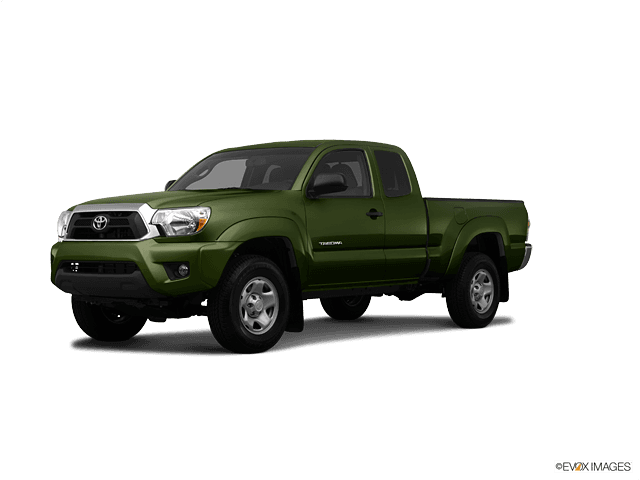
How to Replace Engine Mounts on a 2012 Toyota Tacoma (Step-by-Step DIY Guide)
Tools, parts list, safety tips, and torque specs for driver & passenger mount replacement
How to Replace Engine Mounts on a 2012 Toyota Tacoma (Step-by-Step DIY Guide)
Tools, parts list, safety tips, and torque specs for driver & passenger mount replacement


🔧 Tacoma - Engine Mount Replacement
On your Tacoma, the engine mounts (also called “insulators”) hold the engine in place and absorb vibration. When they tear or collapse, you’ll feel clunks on throttle changes, extra vibration, and sometimes the fan/shroud or exhaust can contact.
Difficulty Level: Advanced | Estimated Time: 3-6 hours
⚠️ Safety & Precautions
- Work on level ground and support the truck with jack stands before going under it.
- Support the engine before removing any mount hardware; do not rely on a jack alone.
- Use a wood block between the jack and oil pan so you don’t dent the pan.
- Keep hands clear of pinch points when raising/lowering the engine.
- If you disconnect the steering intermediate shaft, keep the steering wheel centered and do not rotate it while disconnected.
🔧 Required Tools
You'll need the following tools for this repair:
- Floor jack (rated 3-ton minimum)
- Jack stands (rated 3-ton minimum)
- Wheel chocks
- Safety glasses
- Mechanic gloves
- Wood block (2x4 or 4x4, 10-12 in long)
- Socket set: 10mm, 12mm, 14mm, 17mm, 19mm sockets
- Ratchet (3/8 in)
- Ratchet (1/2 in)
- Extensions set (3 in, 6 in, 12 in)
- Universal swivel joint adapter
- Combination wrenches: 14mm, 17mm, 19mm
- Breaker bar (1/2 in)
- Torque wrench (10-200 ft-lbs range)
- Flat trim tool or flat screwdriver
- Paint marker
- Penetrating oil
- Engine support bar (specialty)
🔩 Required Parts
HowToo sells all the parts you need for this repair:
- Engine mount (left/driver side) - Qty: 1
- Engine mount (right/passenger side) - Qty: 1
- Engine mount hardware kit (self-locking nuts/bolts) - Qty: 1
📋 Before You Begin
- Park on level ground, set the parking brake, and chock the rear wheels.
- Open the hood and remove any loose items around the engine bay.
- Spray penetrating oil on the mount fasteners (top nut(s) and the through-bolt nut) and let it soak 10-15 minutes.
- Plan how you’ll support the engine: an engine support bar holds the engine from above using the fender rails; it’s the safest way. A floor jack with a wood block can work, but you must be careful.
🔨 Step-by-Step Instructions
Follow these steps in order:
Step 1: Raise and support the truck
- Use a floor jack to lift the front at the frame, then place jack stands under the frame rails.
- Gently lower onto the jack stands and give the truck a firm shake test.
Step 2: Remove under-covers/skid plate (if equipped)
- Use a 12mm socket and 14mm socket to remove the fasteners and take off the front under-cover/skid area as needed for access.
Step 3: Support the engine
- If using an engine support bar (specialty), install it per its instructions and put slight tension on the engine lifting point.
- If using a jack: place a wood block on the floor jack pad, then raise it until it just contacts the oil pan and begins to carry a little engine weight.
- Only lift enough to unload the mounts.
Step 4: Loosen both engine mount through-bolts (do not remove yet)
- The through-bolt is the long bolt that passes through the mount and bracket.
- Use a 17mm or 19mm socket (varies by hardware) and a breaker bar to loosen the nut on each side a few turns.
- Do not pull the bolts out yet; loosening both sides helps prevent binding when you lift the engine slightly.
Step 5: Passenger-side engine mount removal
- From above and/or below, use a 14mm socket with extensions to remove the mount-to-frame fasteners.
- Use a 17mm or 19mm socket and wrench to remove the passenger-side through-bolt nut, then slide the through-bolt out.
- Slowly raise the engine a small amount with the floor jack or engine support bar until the mount can be worked out.
- Remove the mount from the frame pocket. Use a flat trim tool or flat screwdriver only if needed to nudge it free (do not pry on aluminum brackets aggressively).
Step 6: Passenger-side engine mount install
- Set the new mount into position by hand, making sure the locating tabs sit correctly in the frame pocket.
- Lower or raise the engine slightly with the floor jack so the through-bolt holes line up.
- Slide the through-bolt in by hand, then install the nut.
- Snug fasteners with a ratchet but do final torque only after both mounts are installed and the engine is sitting naturally.
Step 7: Driver-side access (steering shaft may be required)
- If access is blocked at the driver-side mount, you may need to disconnect the steering intermediate shaft.
- Use a paint marker to mark the shaft-to-joint alignment.
- Use a 12mm socket to remove the pinch bolt, then slide the shaft up/off as needed for clearance.
- Torque to 47 Nm (35 ft-lbs) when reinstalling the pinch bolt.
Step 8: Driver-side engine mount removal
- Use a 14mm socket with extensions and a universal swivel joint adapter to remove the mount-to-frame fasteners.
- Use a 17mm or 19mm socket and wrench to remove the driver-side through-bolt nut, then slide the through-bolt out.
- Adjust engine height slightly using the floor jack to unload the mount and remove it from the frame pocket.
Step 9: Driver-side engine mount install
- Position the new mount in the frame pocket by hand.
- Use the floor jack to align holes, then install the through-bolt and nut by hand.
- Install mount-to-frame fasteners and snug with a ratchet.
Step 10: Final torque with engine settled
- Lower the engine fully so its weight is on the new mounts (but keep light support under it for safety).
- Torque the engine mount through-bolt nuts using a torque wrench: Torque to 118 Nm (87 ft-lbs).
- Torque the mount-to-frame fasteners using a torque wrench: Torque to 64 Nm (47 ft-lbs).
- If you removed any mount-to-engine bracket bolts during access, torque them using a torque wrench: Torque to 52 Nm (38 ft-lbs).
Step 11: Reinstall removed items
- Reinstall the steering intermediate shaft (if removed), align your paint marks, and torque the pinch bolt with a torque wrench: Torque to 47 Nm (35 ft-lbs).
- Reinstall under-covers/skid plate using a 12mm socket and 14mm socket.
- Remove the engine support and lower the truck off the jack stands using the floor jack.
✅ After Repair
- Start the engine and let it idle while you watch for excessive engine movement.
- With the hood open, have a helper gently blip the throttle in neutral; listen for clunks.
- Test drive and check for vibration at idle and for clunks when taking off or shifting.
- Re-check mount fasteners for tightness after 1-2 days of driving.
💰 DIY vs Shop Cost
Shop Cost: $600-$1,200 (parts + labor)
DIY Cost: $160-$420 (parts only)
You Save: $440-$780 by doing it yourself!
Shop labor rates vary but typically run $100-$150/hour. This repair takes a shop approximately 3-6 hours.
🎯 Ready to get started?
HowToo makes it easy: same-day/2-day shipping on every part, plus all the tools and specialty tools you need! Check out the parts and tools sections below to add everything to your cart.