









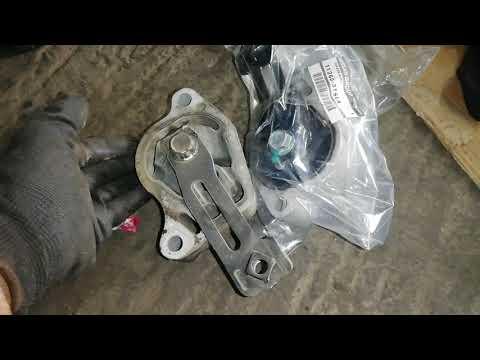







How to Replace Engine Mounts on a 2011 Nissan Altima (All Mount Locations)
Step-by-step instructions with tools list, safety tips, and mount identification for the right, left, and torque mounts for 2007, 2008, 2009, 2010, 2011
How to Replace Engine Mounts on a 2011 Nissan Altima (All Mount Locations)
Step-by-step instructions with tools list, safety tips, and mount identification for the right, left, and torque mounts for 2007, 2008, 2009, 2010, 2011


🔧 Altima - Engine Mount Replacement
Engine mounts hold the engine/transmission in place and absorb vibration. On your Altima there are multiple mounts (right/passenger, left/driver transmission-side, and torque mounts), and the steps + torque specs change depending on which one(s) you’re replacing.
Difficulty Level: Intermediate | Estimated Time: 2-5 hours
⚠️ Safety & Precautions
- ⚠️ Work on a flat surface and support the car with jack stands—never rely on a jack alone.
- ⚠️ Keep the hybrid system OFF: verify the dash is not in READY mode, remove the key/fob from the car.
- ⚠️ Disconnect the 12V battery negative terminal to prevent an accidental start or fans cycling.
- ⚠️ Support the engine before removing any mount; the engine can drop and damage hoses, wiring, or the radiator.
- ⚠️ Avoid pulling or stressing any orange high-voltage cables (hybrid components).
🔧 Required Tools
You'll need the following tools for this repair:
- Safety glasses
- Mechanic gloves
- Wheel chocks
- Floor jack (rated 3-ton minimum)
- Jack stands (rated 3-ton minimum)
- Wood block (2x4)
- Engine support bar (specialty)
- Metric socket set 8mm–19mm
- Metric wrench set 8mm–19mm
- 3/8" drive ratchet
- 1/2" drive breaker bar
- Torque wrench (10–200 Nm range)
- Extensions set (3", 6", 12")
- Universal joint adapter
- Trim clip remover
- Flathead screwdriver
- Penetrating oil
- Paint marker
- Work light
🔩 Required Parts
HowToo sells all the parts you need for this repair:
- Right (passenger-side) engine mount - Qty: 1
- Left (driver-side) transmission mount - Qty: 1
- Front torque mount (dogbone mount) - Qty: 1
- Rear torque mount (dogbone mount) - Qty: 1
- Engine mount fastener kit - Qty: 1
📋 Before You Begin
- Park on level ground, set the parking brake, and place wheel chocks behind the rear tires.
- Turn the car fully OFF (not READY), remove the key/fob from the cabin.
- Open the trunk and disconnect the 12V battery negative terminal using a 10mm socket.
- Spray visible mount nuts/bolts with penetrating oil and wait 5–10 minutes.
- Please answer these so I can give the correct torque specs and exact steps:
- Which mount(s) are you replacing: right, left, front torque, rear torque, or all?
- Do you have an engine support bar, or will you be supporting the engine from underneath with a floor jack + wood block?
🔨 Step-by-Step Instructions
Follow these steps in order:
Step 1: Identify the mount(s) and access path
- Use your phone camera and a work light to locate the mount you’re replacing (right mount is near the passenger-side strut tower; left is near the driver-side frame rail; torque mounts are typically lower and accessed from underneath).
- Reply with which mount(s) you’re doing so I can provide the exact removal order and Torque to XX Nm (YY ft-lbs) values without guessing.
- Mount jobs vary a lot by location.
Step 2: Support the engine (required before loosening mounts)
- If using an engine support bar (specialty), set it across the strut towers and attach the hook/chain to a solid engine lift point, then take up the slack.
- If using a floor jack (rated 3-ton minimum), place a wood block (2x4) on the jack pad, then gently lift under a sturdy flat area of the engine oil pan casting area (light pressure only).
- Use a paint marker to mark mount/bracket positions before removal.
Step 3: Stop here to avoid wrong torque specs
- Different mounts on your Altima use different bolt sizes and torque values.
- Once you tell me which mount(s) you’re replacing, I’ll continue with the exact steps, access panels to remove, and the correct Torque to XX Nm (YY ft-lbs) specs for each fastener.
✅ After Repair
- Reconnect the 12V battery negative terminal using a 10mm socket.
- Start the car and confirm normal idle and no excessive vibration in Park/Drive (foot on brake).
- Road test at low speed first; listen for clunks on acceleration and braking.
- Recheck the mount fasteners for tightness after a short drive.
💰 DIY vs Shop Cost
Shop Cost: $500-$1,400 (parts + labor)
DIY Cost: $120-$600 (parts only)
You Save: $380-$800 by doing it yourself!
Shop labor rates vary but typically run $100-$150/hour. This repair takes a shop approximately 2-5 hours.
🎯 Ready to get started?
HowToo makes it easy: same-day/2-day shipping on every part, plus all the tools and specialty tools you need! Check out the parts and tools sections below to add everything to your cart.