















How to Replace Engine Mounts on a 2007 GMC Sierra 1500 (2WD/4WD Guide)
Step-by-step instructions with required tools/parts, safety tips, and torque-spec notes for Classic vs New Body Style for 1999, 2000, 2001, 2002, 2003, 2004, 2005, 2006, 2007
How to Replace Engine Mounts on a 2007 GMC Sierra 1500 (2WD/4WD Guide)
Step-by-step instructions with required tools/parts, safety tips, and torque-spec notes for Classic vs New Body Style for 1999, 2000, 2001, 2002, 2003, 2004, 2005, 2006, 2007


🔧 Sierra 1500 - Engine Mount Replacement
Replacing the engine mounts on your Sierra 1500 involves supporting the engine safely, unbolting the mount(s), and installing new mounts without putting the drivetrain in a bind. The exact mount design, access points, and torque specs vary by the 2007 body style and whether your truck is 2WD or 4WD.
Difficulty Level: Advanced | Estimated Time: 3-6 hours
I need 2 quick details so I can give you the correct mount style + exact torque specs:
- 🛻 Is your Sierra the 2007 Classic body style or the New Body Style?
- 🔩 Is it 2WD or 4WD?
⚠️ Safety & Precautions
- ⚠️ Do not work under the truck supported only by a jack; use jack stands.
- ⚠️ The engine must be supported before loosening mounts; an unsupported engine can shift suddenly.
- ⚠️ Keep hands clear between the mount and brackets while raising/lowering the engine.
- ⚠️ Let the exhaust cool fully; mount access is near hot components.
- 🔋 Battery disconnect is recommended if you’ll be near the starter/positive cable area.
🔧 Required Tools
You'll need the following tools for this repair:
- Floor jack (rated 3-ton minimum)
- Jack stands (rated 3-ton minimum)
- Wheel chocks
- Block of wood (2x6 or similar)
- Socket set (metric and SAE)
- Breaker bar (1/2")
- Torque wrench (3/8" and/or 1/2")
- Wrench set (metric and SAE)
- Pry bar
- Penetrating oil
- Trim clip tool
- Work light
- Safety glasses
- Mechanic gloves
🔩 Required Parts
HowToo sells all the parts you need for this repair:
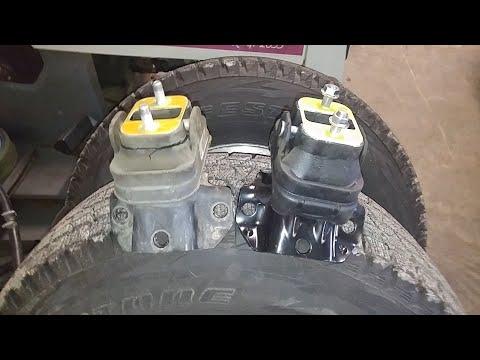
- Engine mount (left/driver side) - Qty: 1
- Engine mount (right/passenger side) - Qty: 1
- Engine mount hardware kit - Qty: 1
📋 Before You Begin
- Park on level ground, set the parking brake, and place wheel chocks behind the rear wheels.
- Raise the front and support the frame with jack stands.
- Spray mount fasteners with penetrating oil and let it soak 10–15 minutes.
- Place a block of wood on the floor jack saddle; the wood spreads the load so you don’t dent the oil pan. (The “oil pan” is the metal pan at the bottom of the engine that holds oil.)
- If working near the starter/positive cable area, disconnect the battery using a 10mm socket (if equipped).
🔨 Step-by-Step Instructions
Follow these steps in order:
Step 1: Confirm the correct procedure variant
- Reply with: 2007 Classic or New Body Style, and 2WD or 4WD.
- Once you confirm, I’ll give you the exact fastener locations, required removals (if any), and Torque to XX Nm (YY ft-lbs) specs for your exact setup.
Step 2: (Next) Support the engine safely
- Use floor jack (rated 3-ton minimum) with a block of wood (2x6 or similar) under the approved support point for your body style.
- Raise the jack only until it just supports the engine weight; do not lift the truck off the stands.
Step 3: (Next) Remove mount fasteners and brackets
- Use the correct socket set (metric and SAE) and wrench set (metric and SAE) to remove the mount-to-frame and mount-to-engine bracket fasteners.
- Use pry bar only as needed to align holes; avoid tearing the new mount.
Step 4: (Next) Install the new mount(s) and torque
- Install the new mount(s) and start all fasteners by hand to prevent cross-threading.
- Use torque wrench (3/8" and/or 1/2") to tighten all fasteners to the correct specs for your variant: Torque to XX Nm (YY ft-lbs).
Step 5: (Next) Reassemble anything removed and recheck alignment
- Use trim clip tool to reinstall any shields/clips without breaking them.
- Lower the jack slowly and verify the engine sits naturally (not twisted).
✅ After Repair
- Start the engine and check for excessive vibration at idle.
- With foot on brake, shift through R and D briefly and listen for clunks.
- Road test and recheck all mount-area fasteners for tightness.
💰 DIY vs Shop Cost
Shop Cost: $600-$1,400 (parts + labor)
DIY Cost: $120-$400 (parts only)
You Save: $480-$1,000 by doing it yourself!
Shop labor rates vary but typically run $100-$150/hour. This repair takes a shop approximately 3-6 hours.
🎯 Ready to get started?
HowToo makes it easy: same-day/2-day shipping on every part, plus all the tools and specialty tools you need! Check out the parts and tools sections below to add everything to your cart.