













How to Replace Both Taillight Bulbs on a 2016 Ford Transit Connect
Step-by-step rear lamp removal and bulb swap guide with tools, parts, and safety tips for 2010, 2011, 2012, 2013, 2014, 2015, 2016, 2017, 2018, 2019, 2020, 2021, 2022, 2023
How to Replace Both Taillight Bulbs on a 2016 Ford Transit Connect
Step-by-step rear lamp removal and bulb swap guide with tools, parts, and safety tips for 2010, 2011, 2012, 2013, 2014, 2015, 2016, 2017, 2018, 2019, 2020, 2021, 2022, 2023


🔧 Transit Connect - Taillight Bulb Replacement
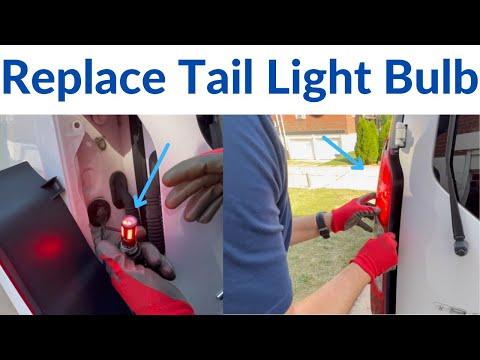
Replacing the taillight bulbs means removing each rear lamp housing, swapping the failed bulb(s), and reinstalling the lamp without damaging the wiring or clips. On your Transit Connect, the bulbs are accessed from the inside edge of each rear lamp (not from inside the cabin trim).
Difficulty Level: Beginner | Estimated Time: 0.5-1.0 hours
⚠️ Safety & Precautions
- ⚠️ Turn the ignition OFF and switch all lights OFF before starting.
- ⚠️ Let bulbs cool before touching; hot bulbs can burn you.
- ⚠️ Wear gloves and avoid touching the glass of a halogen bulb (skin oils can shorten bulb life).
- ⚠️ Support the lamp as you remove it so it doesn’t fall and crack.
🔧 Required Tools
You'll need the following tools for this repair:
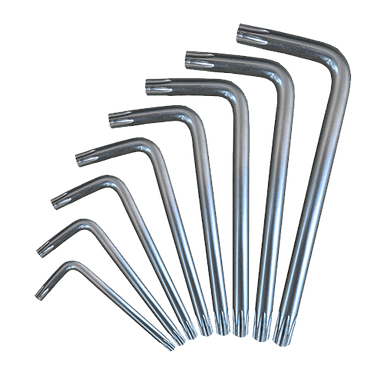
- Torx T25 screwdriver
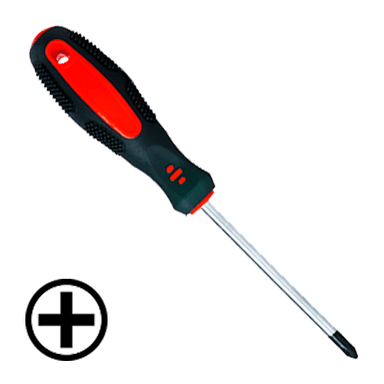
- Phillips #2 screwdriver
- 8mm socket
- 1/4" drive ratchet
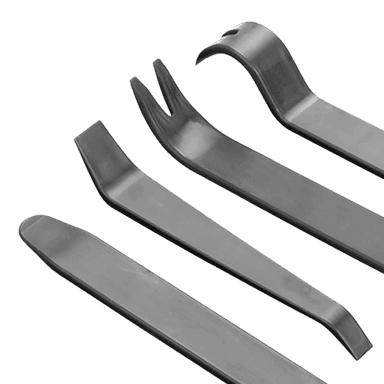
- Trim removal tool (non-marring)
- Work gloves
- Safety glasses
- Flashlight
🔩 Required Parts
HowToo sells all the parts you need for this repair:
- Rear taillight bulbs (match the bulb number printed on your old bulbs) - Qty: 2
- Dielectric grease - Qty: 1
📋 Before You Begin
- Park on level ground and set the parking brake.
- Open the rear liftgate for access to both lamp fasteners.
- Tip: Take a quick photo of bulb positions.
🔨 Step-by-Step Instructions
Follow these steps in order:
Step 1: Open access and locate fasteners
- Open the liftgate and look at the inside edge of the taillight (near the liftgate opening).
- You’ll typically see 2 fasteners (usually Torx or Phillips, sometimes 8mm bolts).
- Use a flashlight to confirm the fastener type before loosening.
Step 2: Remove the taillight fasteners
- Remove the two fasteners using a Torx T25 screwdriver or Phillips #2 screwdriver.
- If equipped with small bolts instead, remove them using an 8mm socket and 1/4" drive ratchet.
- Place the fasteners somewhere safe so they don’t drop into the bumper area.
Step 3: Pull the lamp housing straight back
- Hold the lamp with both hands and pull it straight back (away from the body).
- If it feels stuck, gently work around the edge with a trim removal tool (non-marring).
- Tip: Pull straight back to avoid breaking locator pins.
Step 4: Remove the bulb socket(s)
- Behind the lamp you’ll see one or more bulb sockets (plastic twist-lock holders).
- Grip the socket and turn it about 1/4 turn counterclockwise by hand, then pull it out.
- If space is tight, use work gloves for better grip (don’t use pliers; they can crack the socket).
Step 5: Replace the bulb(s)
- Pull the old bulb straight out of the socket.
- Install the new bulb by pushing it straight in until fully seated.
- Match the bulb type by reading the number printed on the old bulb base and using the same type.
- Apply a tiny amount of dielectric grease to the socket seal area (not on the bulb glass or metal contacts).
Step 6: Reinstall the bulb socket(s)
- Insert the socket back into the lamp and turn clockwise about 1/4 turn until it locks.
- Make sure the socket is fully seated so water can’t get into the lamp.
Step 7: Refit the taillight housing
- Align the lamp’s locator pins with the body holes, then press the lamp straight forward into place.
- Reinstall the two fasteners using a Torx T25 screwdriver or Phillips #2 screwdriver (or 8mm socket if equipped).
- Tighten snugly by hand—do not overtighten (plastic lamp tabs can crack). Torque: snug/hand-tight only
Step 8: Repeat on the other side
- Repeat Steps 1–7 for the opposite rear taillight.
✅ After Repair
- Test all rear lighting: parking lights, brake lights, turn signals, reverse lights, and hazards.
- Check that each lamp sits flush with the body and doesn’t wiggle.
- If a new bulb doesn’t light, remove the socket and re-seat the bulb, then re-check.
💰 DIY vs Shop Cost
Shop Cost: $80-$180 (parts + labor)
DIY Cost: $10-$40 (parts only)
You Save: $70-$140 by doing it yourself!
Shop labor rates vary but typically run $100-$150/hour. This repair takes a shop approximately 0.5-1.0 hours.
🎯 Ready to get started?
HowToo makes it easy: same-day/2-day shipping on every part, plus all the tools and specialty tools you need! Check out the parts and tools sections below to add everything to your cart.