















How to Replace Both Taillight Bulbs on a 2013 Nissan Altima (Brake/Tail Lights)
Step-by-step trunk-access guide with tools, bulb tips, testing steps, and common no-light troubleshooting for 1998, 1999, 2000, 2001, 2002, 2003, 2004, 2005, 2006, 2007, 2008, 2009
How to Replace Both Taillight Bulbs on a 2013 Nissan Altima (Brake/Tail Lights)
Step-by-step trunk-access guide with tools, bulb tips, testing steps, and common no-light troubleshooting for 1998, 1999, 2000, 2001, 2002, 2003, 2004, 2005, 2006, 2007, 2008, 2009


🔧 Altima - Taillight Bulb Replacement
On your Altima, the rear lamp bulbs are serviced from inside the trunk—no need to remove the whole taillight for most bulb swaps. You’ll open the trunk trim access, twist the bulb socket out, and swap the bulb.
Difficulty Level: Beginner | Estimated Time: 0.5-1.0 hours
⚠️ Safety & Precautions
- ⚠️ Turn the lights OFF and remove the key before starting.
- ⚠️ Let bulbs cool first; they can get hot.
- ⚠️ Don’t touch the glass part of a bulb with bare fingers; skin oil can shorten bulb life.
- ⚠️ Support the trunk trim so clips don’t snap.
🔧 Required Tools
You'll need the following tools for this repair:
- 10mm socket
- 1/4" drive ratchet
- 6" socket extension
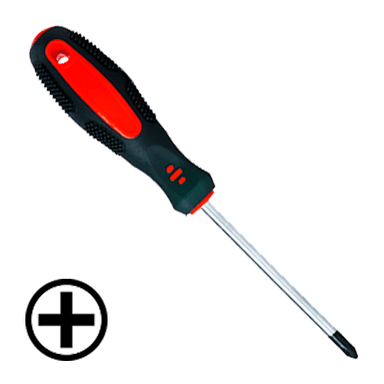
- Phillips #2 screwdriver
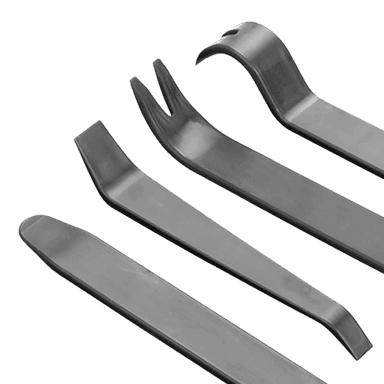
- Trim clip removal tool
- Nitrile gloves
- Flashlight
- Safety glasses
🔩 Required Parts
HowToo sells all the parts you need for this repair:
- Rear stop/tail light bulb - Replace in pairs (left & right) - Qty: 2
📋 Before You Begin
- Park on level ground and set the parking brake.
- Open the trunk and remove any cargo so you can work comfortably.
- Identify which function is out: tail (running lights), brake, turn signal, or reverse.
🔨 Step-by-Step Instructions
Follow these steps in order:
Step 1: Confirm which bulb you’re replacing
- Turn the parking lights ON to check tail/running lights, then OFF.
- Have a helper press the brake pedal to confirm brake lights.
- If unsure, we’ll replace the stop/tail bulbs first.
Step 2: Access the bulb socket from the trunk
- Open the trunk and go to the side you’re replacing.
- Use a trim clip removal tool to gently pop the trunk liner clips as needed.
- If equipped with a small access cover, remove it by hand or with a Phillips #2 screwdriver.
- Go slow—plastic clips break easily.
Step 3: Remove the bulb socket
- Find the socket that matches the failed light (usually the stop/tail socket is one of the larger sockets).
- Grip the socket and rotate it counterclockwise about 1/4 turn, then pull it straight out.
- Use a flashlight to confirm the socket tabs line up with the housing slots.
Step 4: Replace the bulb
- Put on nitrile gloves.
- Pull the old bulb straight out of the socket.
- Push the new bulb straight into the socket until fully seated.
- Don’t force it—recheck alignment.
Step 5: Reinstall the socket and recheck operation
- Insert the socket back into the taillight housing.
- Rotate clockwise to lock.
- Turn the lights ON and test the function again (tail/brake/turn as applicable).
Step 6: Repeat on the other side
- Move to the opposite trunk side and repeat Steps 2–5.
- Replace bulbs in pairs for equal brightness.
Step 7: Reinstall trunk trim
- Reposition the trunk liner.
- Press clips back in by hand; if needed, use a Phillips #2 screwdriver to reinstall any screws.
✅ After Repair
- Test all rear functions: tail lights, brake lights, hazards/turn signals, and reverse lights.
- If a new bulb still doesn’t work, the next checks are the fuse and the socket condition (corrosion/melted plastic).
💰 DIY vs Shop Cost
Shop Cost: $60-$140 (parts + labor)
DIY Cost: $10-$40 (parts only)
You Save: $50-$100 by doing it yourself!
Shop labor rates vary but typically run $100-$150/hour. This repair takes a shop approximately 0.5-1.0 hours.
🎯 Ready to get started?
HowToo makes it easy: same-day/2-day shipping on every part, plus all the tools and specialty tools you need! Check out the parts and tools sections below to add everything to your cart.
Quick question so I match the exact bulbs: Are you replacing the brake/tail (red) bulbs, the turn signal bulbs, or the reverse (white) bulbs?