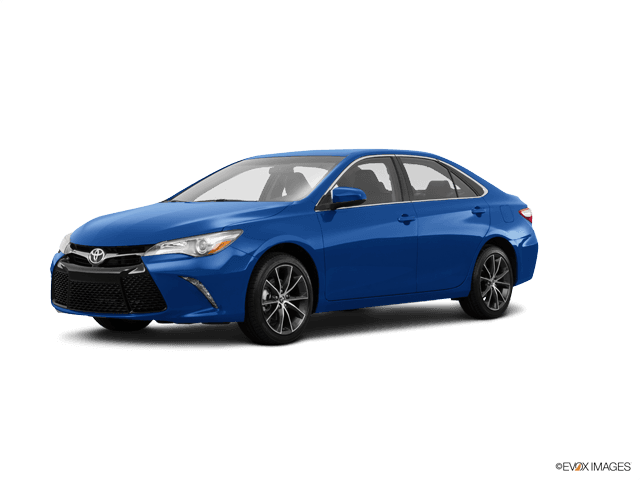














How to Replace Both Rear Door Lock Actuators on a 2007-2017 Toyota Camry (Trim: XSE | Engine: V6 3.5L)
Step-by-step instructions with tools, parts, torque specs, and safety tips
How to Replace Both Rear Door Lock Actuators on a 2007-2017 Toyota Camry (Trim: XSE | Engine: V6 3.5L)
Step-by-step instructions with tools, parts, torque specs, and safety tips for 2007, 2008


🔧 Rear Door Lock Actuator - Replacement
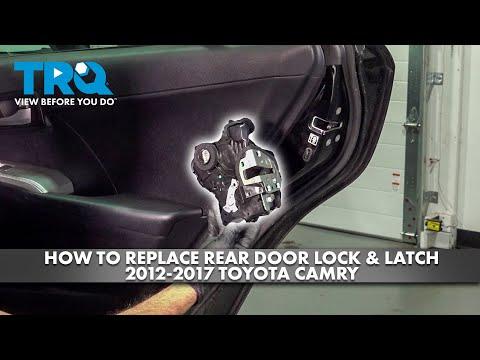
The rear door lock actuator is built into the latch assembly on your Camry, so the fix is usually replacing the complete rear latch/actuator unit on both sides. You will need to remove the rear door trim panel, disconnect the latch rods and electrical connector, then swap the assembly and reinstall everything carefully.
Difficulty Level: Intermediate | Estimated Time: 2-4 hours
⚠️ Safety & Precautions
- Work with the windows fully up and the ignition off.
- Disconnect the negative battery terminal if you want to prevent accidental locking or window movement.
- Take care around the side curtain airbag area in the door trim. Do not probe yellow airbag connectors.
- Support the door panel as you remove the last fasteners so it does not fall.
- Use plastic trim tools to avoid breaking clips and scratching the door panel.
🔧 Required Tools
You'll need the following tools for this repair:
- 10mm socket
- 1/4-inch ratchet
- 1/4-inch extension
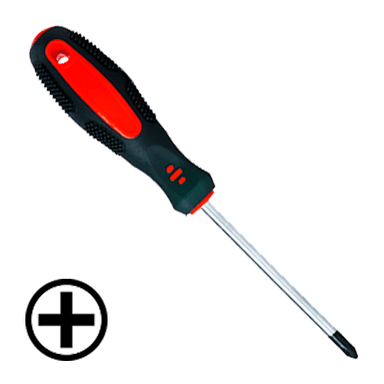
- Phillips screwdriver
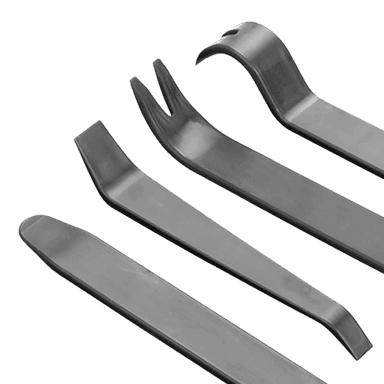
- Plastic trim removal tools
- Pick tool
- Needle-nose pliers
- Torque wrench
- Safety glasses
- Mechanic gloves
🔩 Required Parts
HowToo sells all the parts you need for this repair:
- Rear door lock actuator/latch assembly, left - Qty: 1
- Rear door lock actuator/latch assembly, right - Qty: 1
- Door panel clips - Qty: 1 set
- Butyl sealant or door vapor barrier adhesive - Qty: 1
📋 Before You Begin
- Park on level ground and open both rear doors fully.
- Roll the rear windows up before starting.
- If disconnecting the battery, save radio and clock settings first.
- Have a small container ready for screws and clips.
- Keep clips organized by door side.
🔨 Step-by-Step Instructions
Follow these steps in order:
Step 1: Remove the rear door trim panel
- Use a plastic trim removal tool to pry off the small trim covers near the interior handle and armrest.
- Use a Phillips screwdriver or 10mm socket to remove the hidden screws, depending on the fastener style on your door.
- Use the plastic trim removal tools to pop the panel clips around the perimeter of the door panel.
- Lift the panel upward to unhook it from the window ledge.
- Disconnect the electrical connector for the window switch and any courtesy light.
Step 2: Peel back the vapor barrier
- Use your hands or a plastic trim removal tool to carefully peel back the moisture barrier.
- Do not tear it if possible; you will need to reseal it later.
- Work slowly to preserve the seal.
Step 3: Remove the door handle and latch rods
- Use a pick tool to release the plastic retaining clips on the inside handle rod and outer handle rod, if equipped.
- Use needle-nose pliers if the clips are tight, but do not crush them.
- Unhook the rods from the latch assembly and note their positions for reassembly.
Step 4: Remove the latch/actuator assembly
- Use a 10mm socket with a 1/4-inch extension to remove the latch mounting bolts at the rear edge of the door.
- Support the latch as you remove the last bolt.
- Slide the latch/actuator assembly out through the access opening in the door shell.
- Disconnect the electrical connector from the actuator.
Step 5: Install the new latch/actuator assembly
- Connect the electrical connector to the new rear latch/actuator assembly.
- Feed the new assembly into the door and align it with the mounting holes.
- Reinstall the bolts using the 10mm socket.
- Torque to 7 N·m (62 in-lbs).
- Reconnect the inside and outside handle rods in the same positions they were removed.
Step 6: Test the latch before reassembly
- Reconnect the battery temporarily if you disconnected it.
- Use the key fob, door switch, and inside lock knob to test lock and unlock operation.
- Open and close the door several times to confirm the latch engages correctly.
- If the lock does not move smoothly, recheck the rod clips and connector.
Step 7: Reinstall the vapor barrier and door panel
- Press the vapor barrier back into place using the original adhesive or fresh butyl sealant.
- Reconnect the window switch and courtesy light connectors.
- Hang the door panel on the top window ledge first.
- Push the panel clips back into the door with firm pressure.
- Reinstall all screws and trim covers.
Step 8: Repeat the repair on the other rear door
- Repeat the same process on the opposite rear door.
- Replace both actuators before final testing so both rear locks work evenly.
✅ After Repair
- Test both rear doors with the key fob, interior lock switch, and manual lock knobs.
- Confirm both doors open from inside and outside after locking and unlocking.
- Check that the door panels sit flush and there are no loose clips or rattles.
- Verify the windows and courtesy lights still work normally.
💰 DIY vs Shop Cost
Shop Cost: $500-$900 (parts + labor)
DIY Cost: $180-$360 (parts only)
You Save: $320-$540 by doing it yourself!
Shop labor rates vary but typically run $100-$150/hour. This repair takes a shop approximately 2-4 hours.
🎯 Ready to get started?
HowToo makes it easy: same-day/2-day shipping on every part, plus all the tools and specialty tools you need! Check out the parts and tools sections below to add everything to your cart.
Guide for Door Lock Actuator replace for these Toyota vehicles
| Year Make Model | Sub Model | Engine | Body Style |
|---|---|---|---|
| 2017 Toyota Camry | XLE | V6 3.5L | - |
| 2017 Toyota Camry | LE | Inline 4 2.5L | - |
| 2017 Toyota Camry | SE | Inline 4 2.5L | - |
| 2017 Toyota Camry | XLE | Inline 4 2.5L | - |
| 2016 Toyota Camry | XLE | V6 3.5L | - |
| 2016 Toyota Camry | LE | Inline 4 2.5L | - |
| 2016 Toyota Camry | SE | Inline 4 2.5L | - |
| 2016 Toyota Camry | XLE | Inline 4 2.5L | - |
| 2015 Toyota Camry | XLE | V6 3.5L | - |
| 2015 Toyota Camry | LE | Inline 4 2.5L | - |
| 2015 Toyota Camry | SE | Inline 4 2.5L | - |
| 2015 Toyota Camry | XLE | Inline 4 2.5L | - |
| 2014 Toyota Camry | SE | V6 3.5L | - |
| 2014 Toyota Camry | XLE | V6 3.5L | - |
| 2014 Toyota Camry | LE | Inline 4 2.5L | - |
| 2014 Toyota Camry | SE | Inline 4 2.5L | - |
| 2014 Toyota Camry | XLE | Inline 4 2.5L | - |
| 2014 Toyota Camry | L | Inline 4 2.5L | - |
| 2013 Toyota Camry | SE | V6 3.5L | - |
| 2013 Toyota Camry | XLE | V6 3.5L | - |
| 2013 Toyota Camry | LE | Inline 4 2.5L | - |
| 2013 Toyota Camry | SE | Inline 4 2.5L | - |
| 2013 Toyota Camry | XLE | Inline 4 2.5L | - |
| 2013 Toyota Camry | L | Inline 4 2.5L | - |
| 2012 Toyota Camry | SE | V6 3.5L | - |
| 2012 Toyota Camry | XLE | V6 3.5L | - |
| 2012 Toyota Camry | LE | Inline 4 2.5L | - |
| 2012 Toyota Camry | SE | Inline 4 2.5L | - |
| 2012 Toyota Camry | XLE | Inline 4 2.5L | - |
| 2012 Toyota Camry | L | Inline 4 2.5L | - |
| 2011 Toyota Camry | LE | V6 3.5L | - |
| 2011 Toyota Camry | SE | V6 3.5L | - |
| 2011 Toyota Camry | XLE | V6 3.5L | - |
| 2011 Toyota Camry | Base | Inline 4 2.5L | - |
| 2011 Toyota Camry | LE | Inline 4 2.5L | - |
| 2011 Toyota Camry | SE | Inline 4 2.5L | - |
| 2011 Toyota Camry | XLE | Inline 4 2.5L | - |
| 2010 Toyota Camry | LE | V6 3.5L | - |
| 2010 Toyota Camry | SE | V6 3.5L | - |
| 2010 Toyota Camry | XLE | V6 3.5L | - |
| 2010 Toyota Camry | Base | Inline 4 2.5L | - |
| 2010 Toyota Camry | LE | Inline 4 2.5L | - |
| 2010 Toyota Camry | SE | Inline 4 2.5L | - |
| 2010 Toyota Camry | XLE | Inline 4 2.5L | - |
| 2009 Toyota Camry | LE | Inline 4 2.4L | - |
| 2009 Toyota Camry | LE | V6 3.5L | - |
| 2009 Toyota Camry | SE | Inline 4 2.4L | - |
| 2009 Toyota Camry | SE | V6 3.5L | - |
| 2009 Toyota Camry | XLE | Inline 4 2.4L | - |
| 2009 Toyota Camry | XLE | V6 3.5L | - |
| 2009 Toyota Camry | Base | Inline 4 2.4L | - |
| 2008 Toyota Camry | CE | Inline 4 2.4L | - |
| 2008 Toyota Camry | LE | Inline 4 2.4L | - |
| 2008 Toyota Camry | LE | V6 3.5L | - |
| 2008 Toyota Camry | SE | Inline 4 2.4L | - |
| 2008 Toyota Camry | SE | V6 3.5L | - |
| 2008 Toyota Camry | XLE | Inline 4 2.4L | - |
| 2008 Toyota Camry | XLE | V6 3.5L | - |
| 2007 Toyota Camry | CE | Inline 4 2.4L | - |
| 2007 Toyota Camry | LE | Inline 4 2.4L | - |
| 2007 Toyota Camry | LE | V6 3.5L | - |
| 2007 Toyota Camry | SE | Inline 4 2.4L | - |
| 2007 Toyota Camry | SE | V6 3.5L | - |
| 2007 Toyota Camry | XLE | Inline 4 2.4L | - |
| 2007 Toyota Camry | XLE | V6 3.5L | - |