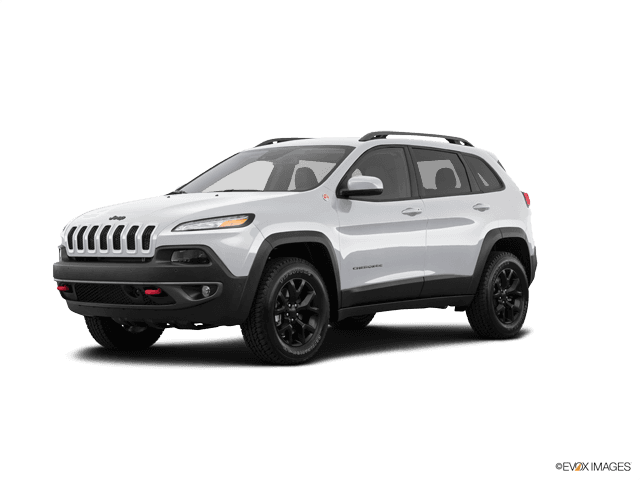
















How to Replace Both Headlight Bulbs on a 2018 Jeep Cherokee (Low & High Beam Guide)
Step-by-step bulb replacement with tools/parts list, safety tips, bumper removal overview, and testing checks
How to Replace Both Headlight Bulbs on a 2018 Jeep Cherokee (Low & High Beam Guide)
Step-by-step bulb replacement with tools/parts list, safety tips, bumper removal overview, and testing checks


🔧 Cherokee - Headlight Bulb Replacement
On your Cherokee, the cleanest way to replace headlight bulbs is usually to remove the front fascia (bumper cover) and pull each headlamp housing so you can access the bulbs from the back without fighting tight clearances.
Before I tailor the exact bulb swap steps, I need 2 quick details so you don’t buy the wrong parts or try to replace a non-serviceable LED unit: (1) Are you replacing low beams, high beams, or both? (2) Are your headlights halogen (yellowish) or HID/LED (very bright white/blue)?
Difficulty Level: Intermediate | Estimated Time: 1.5-3.0 hours
⚠️ Safety & Precautions
- ⚠️ Let the headlamps cool before touching anything near the bulb area.
- ⚠️ If you have HID (xenon) headlights, the igniter/ballast can produce high voltage—keep the lights OFF and disconnect the battery negative cable before unplugging anything.
- ⚠️ Support the vehicle with jack stands if you raise it—never rely on a jack alone.
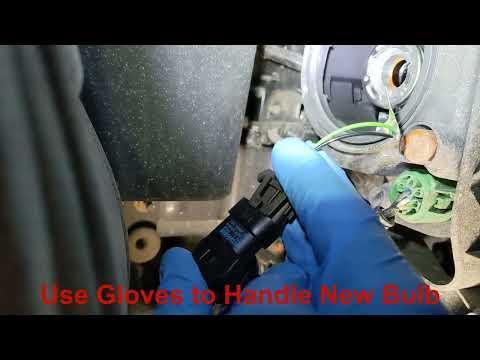
- ⚠️ Don’t touch a halogen bulb’s glass with bare fingers (oil can shorten bulb life).
🔧 Required Tools
You'll need the following tools for this repair:
- Safety glasses
- Mechanic gloves
- Wheel chocks
- Floor jack (rated 3-ton minimum)
- Jack stands (rated 3-ton minimum)
- Torque wrench (20-150 ft-lbs range)
- 19mm socket
- Ratchet
- 3-inch extension
- 6-inch extension
- 7mm socket
- 8mm socket
- 10mm socket
- Torx T25 driver
- Torx T30 driver
- Trim clip removal tool
- Flat-blade screwdriver
- Work light
🔩 Required Parts
HowToo sells all the parts you need for this repair:
- Headlight bulb(s) matching your headlamp type - Replace in pairs - Qty: 2
- Plastic push clips (bumper liner/undertray clips) - Qty: 4-10
- Dielectric grease (small packet) - Qty: 1
📋 Before You Begin
- Park on level ground, shift to Park, and set the parking brake.
- Turn the headlight switch OFF and remove the key/fob from the vehicle.
- If you’ll lift the front: place wheel chocks behind the rear tires.
- If your lights are HID/LED, disconnect the battery negative cable: use a 10mm socket to loosen the clamp and move it aside.
🔨 Step-by-Step Instructions
Follow these steps in order:
Step 1: Raise the front (recommended for easier access)
- Use wheel chocks behind the rear tires.
- Lift the front with a floor jack (rated 3-ton minimum) and support with jack stands (rated 3-ton minimum).
- Remove the front wheels using a 19mm socket and ratchet.
- Reinstall later and Torque to 135 Nm (100 ft-lbs) using a torque wrench (20-150 ft-lbs range).
Step 2: Remove the wheel liner fasteners near the bumper
- Turn the steering to create space (or remove the wheel, as above).
- Remove plastic push clips with a trim clip removal tool.
- Remove any small screws with a 7mm socket or Torx T25 driver (you may have both styles).
- Pull the front edge of the wheel liner back far enough to access bumper/fasteners.
Step 3: Remove the lower splash shield/undertray fasteners
- Use a trim clip removal tool for push clips.
- Use an 8mm socket (or 7mm socket, depending on fasteners) to remove screws along the lower edge.
- Support the undertray as the last fasteners come out so it doesn’t bend.
Step 4: Remove the upper fascia (bumper cover) fasteners
- Open the hood and locate the fasteners along the top edge of the fascia.
- Remove bolts/screws with a 10mm socket and/or Torx T30 driver (fastener style can vary by equipment).
- Use a trim clip removal tool for any push pins.
Step 5: Pull the front fascia forward and unplug connectors
- With a helper if possible, pull outward at the bumper corners to release the side retainers. Pull straight out; don’t pry hard.
- As the fascia comes forward, unplug any electrical connectors you have (fog lamps/parking sensors): use a flat-blade screwdriver only to release a lock tab if needed.
- Set the fascia aside on a soft surface to avoid scratches.
Step 6: Remove the headlamp housing
- Locate the headlamp mounting bolts.
- Remove the bolts using a 10mm socket, ratchet, and a 3-inch extension or 6-inch extension as needed.
- Slide the headlamp housing forward and unplug the main headlamp connector.
Step 7: Replace the bulb(s)
- Remove the rear dust cap/cover (if equipped) by turning it by hand. Use mechanic gloves for grip.
- Disconnect the bulb electrical connector by hand (use a flat-blade screwdriver only if the lock tab is stubborn).
- Remove the bulb by turning it counterclockwise (twist-lock style) and pulling it out.
- Install the new bulb (do not touch glass): align tabs, insert fully, then twist clockwise to lock.
- Apply a tiny amount of dielectric grease (small packet) to the connector seal (not on the bulb glass), then reconnect.
- Reinstall the dust cap/cover snug by hand.
- If your headlamp is LED and there is no removable bulb socket, the “bulb” may be an LED module or the entire headlamp assembly (not a simple bulb). If that’s what you have, stop here and tell me what light function is out so I can give the correct repair path.
Step 8: Reinstall the headlamp and fascia
- Reconnect the main headlamp connector and slide the housing into place.
- Install the headlamp mounting bolts using a 10mm socket and ratchet (tighten evenly; do not overtighten).
- Reinstall the fascia: plug in all connectors first, then snap the corners back into the side retainers.
- Reinstall upper fasteners with a 10mm socket and/or Torx T30 driver.
- Reinstall lower fasteners with an 8mm socket and push clips using a trim clip removal tool.
- Reposition the wheel liners and reinstall screws/clips using a 7mm socket and Torx T25 driver.
Step 9: Reinstall wheels and lower the vehicle
- Install wheels and hand-start lug nuts.
- Snug lug nuts in a star pattern using a 19mm socket and ratchet.
- Lower the vehicle, then Torque to 135 Nm (100 ft-lbs) using a torque wrench (20-150 ft-lbs range).
✅ After Repair
- Reconnect the battery negative cable (if removed) using a 10mm socket.
- Turn the ignition ON and test low beams/high beams/turn signals/parking lights.
- Verify both headlights match color and brightness (pair replacement helps).
- At night, confirm the beams aim evenly; if one looks “off,” the bulb may not be seated fully.
💰 DIY vs Shop Cost
Shop Cost: $180-$450 (parts + labor)
DIY Cost: $30-$250 (parts only)
You Save: $150-$200+ by doing it yourself!
Shop labor rates vary but typically run $100-$150/hour. This repair takes a shop approximately 1.0-2.0 hours.
🎯 Ready to get started?
HowToo makes it easy: same-day/2-day shipping on every part, plus all the tools and specialty tools you need! Check out the parts and tools sections below to add everything to your cart.