









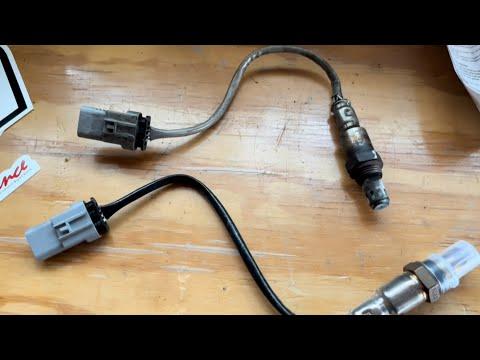







How to Replace an Oxygen (O2) Sensor on a 2015-2016 Chevrolet Colorado (Engine: V6 3.6L)
Step-by-step upstream/downstream O2 sensor removal & install with tools, parts list, and torque spec
How to Replace an Oxygen (O2) Sensor on a 2015-2016 Chevrolet Colorado (Engine: V6 3.6L)
Step-by-step upstream/downstream O2 sensor removal & install with tools, parts list, and torque spec for 2015, 2016


🔧 Colorado - Oxygen (O2) Sensor Replacement
On your Colorado, the oxygen (O2) sensors thread into the exhaust and plug into the wiring harness. A failed O2 sensor can cause a check-engine light, poor fuel economy, and drivability issues because the engine computer uses it to adjust the air/fuel mixture.
Difficulty Level: Intermediate | Estimated Time: 0.8-1.5 hours
Assumption: You’re replacing one O2 sensor; steps cover upstream or downstream locations.
⚠️ Safety & Precautions
- ⚠️ Exhaust parts get extremely hot—work on a fully cool exhaust.
- ⚠️ Support the truck with jack stands; never rely on a floor jack alone.
- ⚠️ Wear eye protection—rust and dirt will fall when you’re under the truck.
- ⚠️ Keep the sensor wiring away from the exhaust after installation.
- Disconnecting the battery is not required, but keep the key off while unplugging sensors.
🔧 Required Tools
You'll need the following tools for this repair:
- Safety glasses
- Mechanic gloves
- Wheel chocks
- Floor jack (rated 3-ton minimum)
- Jack stands (rated 3-ton minimum)
- 3/8" drive ratchet
- 3/8" drive extension set (3", 6")
- 3/8" drive torque wrench (10-100 ft-lbs range)
- O2 sensor socket 22mm (7/8")
- Pick tool
- Trim clip pliers
- Penetrating oil
- Shop light
🔩 Required Parts
HowToo sells all the parts you need for this repair:
- Oxygen (O2) sensor - Qty: 1
- High-temperature anti-seize - Qty: 1
- Dielectric grease - Qty: 1
- Replacement wire clips / retainers - Qty: 1
📋 Before You Begin
- Park on level ground, set the parking brake, and chock the rear wheels.
- Let the exhaust cool completely (at least 1 hour after driving).
- Raise the front of the truck with a floor jack and support it with jack stands at the frame.
- Spray the sensor threads with penetrating oil and let it soak 5–10 minutes.
🔨 Step-by-Step Instructions
Follow these steps in order:
Step 1: Locate the sensor you’re replacing
- Use a shop light to find the O2 sensor (it looks like a small metal “plug” with a wire coming out).
- Upstream (Sensor 1) is closer to the engine (before the catalytic converter).
- Downstream (Sensor 2) is after the catalytic converter.
Step 2: Unclip the wiring harness
- Use trim clip pliers to release any harness clips holding the sensor wire to the body/frame.
- If the connector lock tab is stubborn, use a pick tool gently. Don’t break the locking tab.
Step 3: Disconnect the electrical connector
- Press the connector lock and pull straight apart by hand.
- Apply a tiny amount of dielectric grease to the seal area (not on the metal terminals) to help keep moisture out.
Step 4: Remove the old O2 sensor
- Slip the O2 sensor socket 22mm (7/8") over the sensor wire and onto the sensor hex.
- Use a 3/8" drive ratchet and a 3/8" drive extension (as needed) to break it loose and unthread it.
- If it’s stuck, add more penetrating oil and try again after a few minutes. Steady pressure beats sudden jerks.
Step 5: Prepare and install the new O2 sensor
- Check the new sensor threads: many come with anti-seize already applied. If not, apply a light coat of high-temperature anti-seize to the threads only (keep it off the sensor tip).
- Thread the sensor in by hand first to avoid cross-threading (damaging the bung threads).
- Tighten with the O2 sensor socket 22mm (7/8") and a 3/8" drive torque wrench.
- Torque to 40 Nm (30 ft-lbs) unless your new sensor’s instructions specify a different value.
Step 6: Route the wiring and reconnect
- Reconnect the electrical connector until it clicks.
- Reinstall all harness clips using trim clip pliers.
- Make sure the wire is routed away from the exhaust and driveshaft. Melted wires = repeat repair.
Step 7: Lower the truck
- Raise slightly with the floor jack, remove the jack stands, then lower to the ground.
- Remove wheel chocks.
✅ After Repair
- Start the engine and listen for exhaust leaks near the sensor (a ticking sound can mean it’s not seated).
- Verify the check-engine light: it may take a few drive cycles to stay off if you didn’t clear codes.
- Road test 10–15 minutes and recheck that the sensor wiring is still secure and not touching hot exhaust.
💰 DIY vs Shop Cost
Shop Cost: $220-$450 (parts + labor)
DIY Cost: $60-$180 (parts only)
You Save: $160-$270 by doing it yourself!
Shop labor rates vary but typically run $100-$150/hour. This repair takes a shop approximately 0.8-1.5 hours.
🎯 Ready to get started?
HowToo makes it easy: same-day/2-day shipping on every part, plus all the tools and specialty tools you need! Check out the parts and tools sections below to add everything to your cart.
Guide for Oxygen Sensor replace for these Chevrolet vehicles
| Year Make Model | Sub Model | Engine | Body Style |
|---|---|---|---|
| 2016 Chevrolet Colorado | - | V6 3.6L | - |
| 2015 Chevrolet Colorado | - | V6 3.6L | - |