















How to Replace All Oxygen Sensors on a 2015 Toyota Tacoma
Step-by-step instructions with tools, parts, torque specs, and safety tips for 2012, 2013, 2014, 2015
How to Replace All Oxygen Sensors on a 2015 Toyota Tacoma
Step-by-step instructions with tools, parts, torque specs, and safety tips for 2012, 2013, 2014, 2015


🔧 Oxygen Sensor - Replacement
Your Tacoma uses four exhaust sensors: two upstream air-fuel ratio sensors and two downstream oxygen sensors. Replacing all of them means working on both exhaust banks, and the job is easiest with the truck safely lifted and the exhaust cool.
Difficulty Level: Intermediate | Estimated Time: 1.5-3 hours
⚠️ Safety & Precautions
- Let the exhaust cool completely before starting. The manifolds and pipes can cause serious burns.
- Raise the truck safely and support it with jack stands. Never work under a truck supported only by a jack.
- Disconnect the negative battery cable before unplugging sensors. This helps prevent electrical damage.
- Do not twist the sensor wire while removing it. That can damage the harness.
- Use caution around the catalytic converters and exhaust routing under the truck.
🔧 Required Tools
You'll need the following tools for this repair:
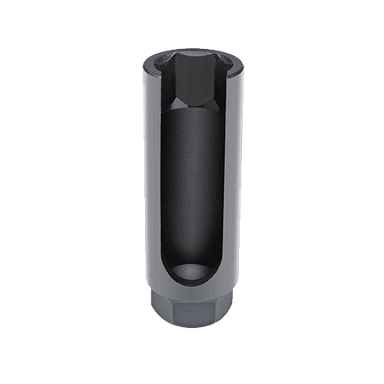
- 22mm oxygen sensor socket
- Ratchet
- Breaker bar
- Extension bar set
- Floor jack (rated 3-ton minimum)
- Jack stands (rated 3-ton minimum)
- Wheel chocks
- 10mm socket
- Socket wrench
- Trim clip tool
- Torque wrench
- Safety glasses
- Mechanic gloves
- Penetrating oil
🔩 Required Parts
HowToo sells all the parts you need for this repair:
- Upstream air-fuel ratio sensor - Qty: 2
- Downstream oxygen sensor - Qty: 2
📋 Before You Begin
- Park on level ground and set the parking brake.
- Let the exhaust cool fully.
- Disconnect the negative battery cable using a 10mm socket.
- Lift the truck and support it securely with jack stands.
- Spray penetrating oil early.
🔨 Step-by-Step Instructions
Follow these steps in order:
Step 1: Disconnect battery and raise the truck
- Use a 10mm socket to disconnect the negative battery cable.
- Use a floor jack to raise the truck.
- Place it on jack stands before going underneath.
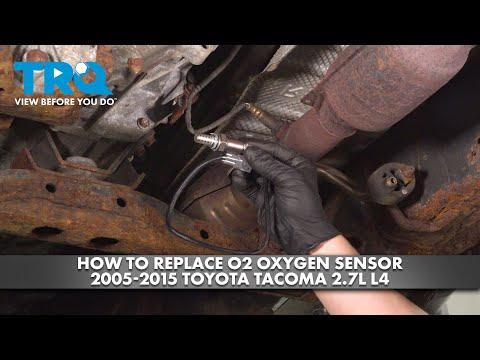
Step 2: Locate all four sensors
- Find the two upstream sensors on the exhaust manifolds.
- Find the two downstream sensors on the exhaust pipes after the catalytic converters.
- Trace each wire connector before removal so you reinstall them correctly.
Step 3: Unplug each sensor
- Use your hands or a trim clip tool to release each sensor connector from its bracket.
- Unplug each connector carefully.
- Do one sensor at a time.
Step 4: Remove the upstream air-fuel ratio sensors
- Use a 22mm oxygen sensor socket, ratchet, and extension bar to loosen each upstream sensor.
- If a sensor is tight, use a breaker bar for extra leverage.
- Remove both sensors from the manifolds.
Step 5: Remove the downstream oxygen sensors
- Use the 22mm oxygen sensor socket and ratchet to remove each downstream sensor from the exhaust pipes.
- If needed, use penetrating oil again and wait a few minutes.
- Remove both sensors without twisting the wires.
Step 6: Install the new sensors
- Compare each new sensor to the old one before installing.
- Thread each sensor in by hand first to avoid cross-threading.
- Use the 22mm oxygen sensor socket to snug each one down.
- Torque to 44 Nm (33 ft-lbs) for the oxygen sensors.
Step 7: Reconnect the harnesses
- Plug each connector back into its matching sensor.
- Snap the wiring back into the factory clips and brackets.
- Make sure the wires are routed away from the exhaust.
Step 8: Reassemble and lower the truck
- Remove the tools from under the truck.
- Lower the truck with the floor jack.
- Reconnect the negative battery cable with a 10mm socket.
✅ After Repair
- Start the engine and let it idle for a minute.
- Check for exhaust leaks and warning lights.
- If the check engine light was on, clear the code with a scan tool.
- Take a short test drive and confirm normal operation.
💰 DIY vs Shop Cost
Shop Cost: $700-$1,300 (parts + labor)
DIY Cost: $180-$450 (parts only)
You Save: $520-$850 by doing it yourself!
Shop labor rates vary but typically run $100-$150/hour. This repair takes a shop approximately 1.5-3 hours.
🎯 Ready to get started?
HowToo makes it easy: same-day/2-day shipping on every part, plus all the tools and specialty tools you need! Check out the parts and tools sections below to add everything to your cart.