









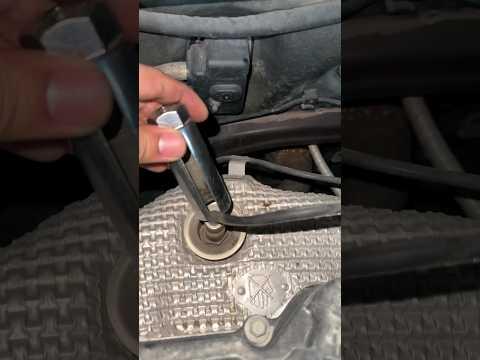







How to Replace All Oxygen (O2) Sensors on a 2018 Volkswagen Atlas
Step-by-step instructions with tools, parts list, sensor locations (B1S1/B2S1/B1S2/B2S2), and torque specs for 2018, 2019, 2020, 2021, 2022, 2023
How to Replace All Oxygen (O2) Sensors on a 2018 Volkswagen Atlas
Step-by-step instructions with tools, parts list, sensor locations (B1S1/B2S1/B1S2/B2S2), and torque specs for 2018, 2019, 2020, 2021, 2022, 2023


🔧 Atlas - Oxygen Sensor Replacement (All Sensors)
Replacing all oxygen (O2) sensors on your Atlas means removing the sensors from the exhaust and installing new ones, then verifying the heater circuits and readings are normal. This is usually done when you have repeated O2-related fault codes, wiring damage, or high mileage and you want a “reset” of sensor reliability.
Difficulty Level: Advanced | Estimated Time: 2.5-5.0 hours
⚠️ Safety & Precautions
- ⚠️ Let the exhaust cool fully; O2 sensors thread into very hot parts.
- ⚠️ Support your Atlas with jack stands; never rely on a jack alone.
- ⚠️ Keep the ignition OFF when unplugging sensors to avoid new faults.
- ⚠️ If you raise the vehicle, use wheel chocks and work on level ground.
- ⚠️ Avoid twisting the harness; turn the sensor, not the wiring.
- ⚠️ Battery disconnect is not required, but is recommended if you’re worried about shorting a connector.
🔧 Required Tools
You'll need the following tools for this repair:
- Safety glasses
- Nitrile gloves
- Wheel chocks
- Floor jack (rated 3-ton minimum)
- Jack stands (rated 3-ton minimum)
- Work light
- 3/8" drive ratchet
- 3/8" drive torque wrench (10–100 Nm range)
- 3/8" drive extension set
- Oxygen sensor socket 22mm 7/8" (specialty)
- Breaker bar 3/8" or 1/2"
- Trim clip removal tool
- Pick tool
- 10mm socket
- 13mm socket
- Torx T25 bit
- Torx T30 bit
- Penetrating oil
- OBD2 scan tool with live data
🔩 Required Parts
HowToo sells all the parts you need for this repair:
- Upstream oxygen sensor (pre-catalyst), Bank 1 Sensor 1 - Qty: 1
- Upstream oxygen sensor (pre-catalyst), Bank 2 Sensor 1 - Qty: 1
- Downstream oxygen sensor (post-catalyst), Bank 1 Sensor 2 - Qty: 1
- Downstream oxygen sensor (post-catalyst), Bank 2 Sensor 2 - Qty: 1
- Anti-seize compound (oxygen sensor-safe) - Qty: 1
- Replacement underbody fasteners/clips - Qty: 1 set
📋 Before You Begin
- Park on level ground, shift to Park, set the parking brake, and place wheel chocks behind the rear tires.
- Let the exhaust cool completely (at least 1 hour after driving).
- Spray sensor threads with penetrating oil and let it soak 10–15 minutes.
- Plan your sensor layout: “Bank 1” is the side of the engine with cylinder #1; “Bank 2” is the opposite side. “Sensor 1” is before the catalytic converter, “Sensor 2” is after it.
- Use your OBD2 scan tool with live data to record any stored codes and freeze frame before you start.
🔨 Step-by-Step Instructions
Follow these steps in order:
Step 1: Raise and secure the vehicle
- Place wheel chocks, then lift with a floor jack (rated 3-ton minimum).
- Set the Atlas down on jack stands (rated 3-ton minimum) at the factory lift points.
- Give the vehicle a gentle shake to confirm it’s stable.
Step 2: Remove underbody covers for access
- Use a Torx T25 bit and Torx T30 bit to remove fasteners holding the front undertray/splash shield (fastener types can vary).
- Use a trim clip removal tool to pop any plastic push-clips without breaking them.
- Set hardware aside in a tray so nothing gets lost. Take a quick phone photo first.
Step 3: Locate and label all four O2 sensor connectors
- Use a work light and follow each sensor wire to its connector on the body/engine harness.
- Use a pick tool to release connector locks (a pick tool is a small hooked tool used to lift locking tabs).
- Label each connector with tape: B1S1, B2S1, B1S2, B2S2.
Step 4: Remove the downstream sensors (after the catalytic converters)
- Unclip the wiring from any retainers using a trim clip removal tool.
- Slide the harness out of the way so it can’t twist.
- Place a 22mm 7/8" oxygen sensor socket (specialty) over the sensor hex and loosen using a 3/8" drive ratchet or breaker bar.
- If stuck, apply more penetrating oil and try again with steady pressure (no jerking).
- Remove the sensor by hand once it breaks free.
Step 5: Remove the upstream sensors (before the catalytic converters)
- Unplug the connector fully using your pick tool if needed.
- Use a 22mm 7/8" oxygen sensor socket (specialty) with a 3/8" drive extension set to reach tight spots.
- Loosen with a breaker bar if necessary, then spin out by hand.
- Go slow to avoid stripping threads.
Step 6: Install the new sensors (one at a time)
- Compare the new sensor to the old one (connector shape and wire length must match).
- If your new sensors are not pre-coated, apply a tiny amount of anti-seize compound (oxygen sensor-safe) to the threads only (avoid the tip).
- Thread each sensor in by hand first to prevent cross-threading.
- Tighten using a 22mm 7/8" oxygen sensor socket (specialty) and 3/8" drive torque wrench: Torque to 50 Nm (37 ft-lbs).
Step 7: Route wiring correctly and reconnect all connectors
- Clip the harness back into the original retainers using a trim clip removal tool as needed.
- Reconnect each plug until it clicks (match your labels: B1S1, B2S1, B1S2, B2S2).
- Make sure wiring is not touching the exhaust or driveshaft.
Step 8: Reinstall underbody covers
- Reinstall the splash shield/undertray using Torx T25 bit and Torx T30 bit.
- Reinstall any bolts using 10mm socket or 13mm socket if equipped.
- Snug fasteners evenly so the panel doesn’t rattle.
Step 9: Lower the vehicle
- Lift slightly with the floor jack (rated 3-ton minimum), remove jack stands (rated 3-ton minimum), then lower slowly.
- Remove wheel chocks last.
✅ After Repair
- Use your OBD2 scan tool with live data to clear codes.
- Start the engine and listen for exhaust leaks (ticking sound) near the sensor bungs.
- Check live data: upstream sensors should switch rapidly; downstream sensors should be steadier.
- Perform a short road test (10–15 minutes) and re-check for pending codes.
- If a heater circuit code returns immediately, inspect the connector pins and harness routing for damage.
💰 DIY vs Shop Cost
Shop Cost: $700-$1,500 (parts + labor)
DIY Cost: $250-$700 (parts only)
You Save: $450-$800 by doing it yourself!
Shop labor rates vary but typically run $100-$150/hour. This repair takes a shop approximately 2.5-5.0 hours.
🎯 Ready to get started?
HowToo makes it easy: same-day/2-day shipping on every part, plus all the tools and specialty tools you need! Check out the parts and tools sections below to add everything to your cart.