
















How to Replace a Side View Mirror on a 2014 Toyota Highlander (Driver or Passenger)
Step-by-step DIY mirror swap with tools list, wiring tips for heated/BSM mirrors, and 9 Nm torque spec for 2014, 2015, 2016, 2017, 2018, 2019
How to Replace a Side View Mirror on a 2014 Toyota Highlander (Driver or Passenger)
Step-by-step DIY mirror swap with tools list, wiring tips for heated/BSM mirrors, and 9 Nm torque spec for 2014, 2015, 2016, 2017, 2018, 2019


Assumption: Your Highlander has factory mirrors (power adjust), and may or may not have heat/turn-signal/Blind Spot Monitor. Steps below include both wiring variants.
🔧 Highlander - Side View Mirror Replacement
Replacing a side view mirror usually means removing the inner door trim panel, unplugging the mirror wiring, and unbolting the mirror from the door. It’s straightforward, but take your time with the plastic clips and the wiring connectors so nothing breaks.
Difficulty Level: Intermediate | Estimated Time: 1.0-2.0 hours (per side)
⚠️ Safety & Precautions
- ⚠️ Disconnect the negative battery cable before unplugging door wiring to reduce the risk of an SRS (airbag) warning or accidental short.
- ⚠️ Support the mirror with one hand while removing the last nut so it doesn’t fall and chip paint.
- ⚠️ Use plastic trim tools (not a screwdriver) to avoid cracking trim and scratching paint.
- ⚠️ If your mirror has Blind Spot Monitor, do not turn the ignition on with connectors unplugged.
🔧 Required Tools
You'll need the following tools for this repair:
- 10mm socket
- 1/4" drive ratchet
- 6" socket extension
- Torque wrench (3/8" drive, 5–30 ft-lbs range)
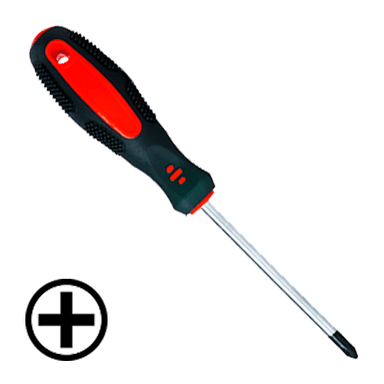
- Phillips #2 screwdriver
- Plastic trim removal tool set
- Pick tool
- Needle-nose pliers
- Painter’s tape
- Shop towel
- Safety glasses
- Mechanic’s gloves
🔩 Required Parts
HowToo sells all the parts you need for this repair:
- Side view mirror assembly (left/driver or right/passenger, matched to options) - Qty: 1
- Door trim panel clips - Qty: 5-10
- Mirror garnish / sail panel clip(s) (if damaged) - Qty: 1 set
- Butyl tape (vapor barrier adhesive) - Qty: 1
📋 Before You Begin
- Park on level ground and turn the ignition OFF.
- Lower the window fully (this gives you room to handle the door panel).
- Use a 10mm socket to disconnect the negative battery terminal, then wait 2–3 minutes.
- Apply painter’s tape along the top edge of the door and near the mirror area to protect paint.
🔨 Step-by-Step Instructions
Follow these steps in order:
Step 1: Remove the inner sail panel (mirror triangle trim)
- Use a plastic trim removal tool set to gently pry off the small triangular trim at the front top of the door (inside, by the mirror).
- If it’s tethered (some are clipped), use a pick tool to release the clip carefully.
- Work slowly—this plastic cracks easily.
Step 2: Remove the door pull/handle trim and hidden screws
- Use a plastic trim removal tool set to pop off the trim cover in the interior door pull area.
- Remove the exposed screws with a Phillips #2 screwdriver.
- If there’s a small cap behind the interior door handle, pop it with a pick tool and remove that screw with a Phillips #2 screwdriver.
Step 3: Release and remove the door trim panel
- Start at the lower edge of the door panel and use a plastic trim removal tool set to pop the push-clips out of the door.
- Once the clips are free, lift the door panel straight upward to unhook it from the window ledge.
- Support the panel and disconnect the wiring plugs using the pick tool (press the locking tab, then pull the connector apart).
- If equipped, disconnect the door handle cable: use needle-nose pliers to rotate the cable housing out of its bracket, then unhook the cable end.
- Don’t yank—connectors break when pulled by wires.
Step 4: Peel back the vapor barrier (water shield)
- Use your hands and a shop towel to slowly peel the plastic water shield back near the mirror area.
- If the black sticky adhesive strings out, clean your gloves with the shop towel. You’ll reseal it later with butyl tape if needed.
Step 5: Unplug the mirror wiring
- Locate the mirror connector(s) near the front upper corner of the door.
- Press the lock tab with a pick tool and unplug the connector.
- Variant A (basic power mirror): typically one connector.
- Variant B (heated/turn signal/BSM): may have additional wiring—unplug all mirror-related connectors going through the same grommet/area.
Step 6: Remove the mirror mounting nuts
- Support the mirror from the outside with one hand.
- Use a 10mm socket, 1/4" drive ratchet, and 6" socket extension to remove the mirror mounting nuts.
- Carefully pull the mirror away from the door and guide the harness through the opening.
Step 7: Install the new mirror
- Feed the new mirror harness through the door opening and seat the mirror flat against the door.
- Hand-start all mounting nuts to avoid cross-threading.
- Tighten the nuts evenly using a 10mm socket and torque wrench (3/8" drive, 5–30 ft-lbs range).
- Torque to 9 Nm (80 in-lbs, 6.6 ft-lbs).
- Snug evenly—don’t crush the mirror base.
Step 8: Reconnect mirror wiring and reseal the vapor barrier
- Plug the mirror connector(s) back in until you feel/hear a click.
- Reposition the vapor barrier and press it firmly into the adhesive.
- If it won’t stick well, apply butyl tape to reseal the edges.
Step 9: Reinstall the door panel
- Reconnect all door wiring connectors (window switch, lock switch, courtesy light) and the door handle cable if equipped.
- Hang the door panel on the top window ledge first, then press it down into place.
- Press the perimeter clips in by hand (use steady pressure near each clip).
- Reinstall the screws using a Phillips #2 screwdriver, then snap the trim covers back on.
Step 10: Reinstall the inner sail panel
- Line up the clips and push the sail panel back on by hand until it seats.
✅ After Repair
- Reconnect the negative battery terminal using a 10mm socket.
- Turn ignition ON and test: mirror up/down/left/right, mirror folding (if equipped), heat (if equipped), turn signal indicator (if equipped).
- Check the mirror sits flush and doesn’t wobble at highway speed.
- If a warning light appears after reconnecting (possible on BSM-equipped setups), a scan tool may be needed to clear stored codes.
💰 DIY vs Shop Cost
Shop Cost: $250-$700 (parts + labor)
DIY Cost: $90-$450 (parts only)
You Save: $160-$250 by doing it yourself!
Shop labor rates vary but typically run $100-$150/hour. This repair takes a shop approximately 1.0-1.5 hours.
🎯 Ready to get started?
HowToo makes it easy: same-day/2-day shipping on every part, plus all the tools and specialty tools you need! Check out the parts and tools sections below to add everything to your cart.