









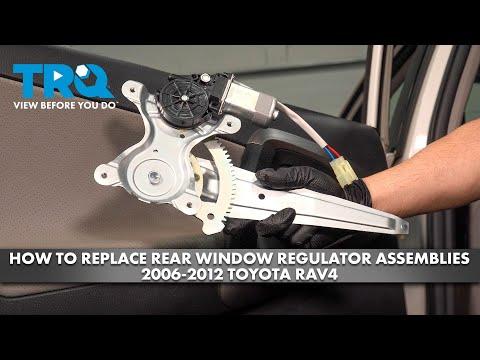




How to Replace a Rear Window Regulator on a 2011 Toyota RAV4 (Rear Door)
Step-by-step rear power window repair with tools, parts list, safety tips, and torque specs for 2006, 2007, 2008, 2009, 2010, 2011, 2012
How to Replace a Rear Window Regulator on a 2011 Toyota RAV4 (Rear Door)
Step-by-step rear power window repair with tools, parts list, safety tips, and torque specs for 2006, 2007, 2008, 2009, 2010, 2011, 2012


🔧 RAV4 - Rear Window Regulator Replacement
The rear window regulator is the track-and-cable (or scissor) mechanism that raises and lowers the rear door glass. If the window is stuck, drops into the door, moves crooked, or makes grinding/clicking noises, the regulator (and sometimes the motor) is usually the fix.
Difficulty Level: Intermediate | Estimated Time: 1.5-3.0 hours (one rear door)
⚠️ Safety & Precautions
- ⚠️ Keep fingers clear of the regulator while moving the glass; it can pinch hard.
- ⚠️ Support the glass with tape before unbolting it, or it can drop suddenly.
- ⚠️ Do not probe or pull on any yellow wiring/connectors (airbag/SRS color coding).
- ⚠️ If you’ll unplug multiple connectors or want maximum safety, disconnect the negative battery cable with a 10mm socket.
🔧 Required Tools
You'll need the following tools for this repair:
- Safety glasses
- Mechanic gloves
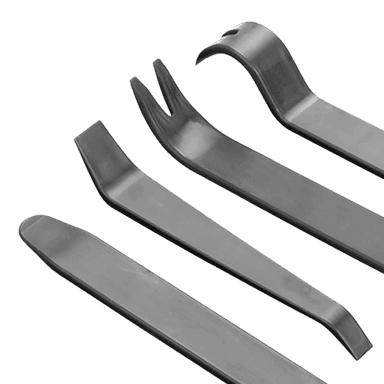
- Trim removal tool set
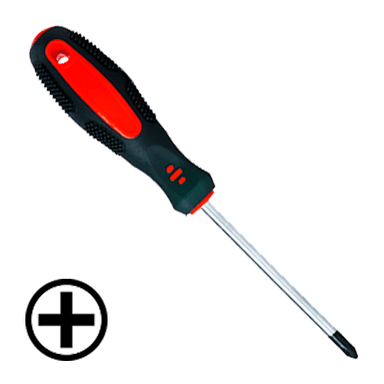
- Phillips #2 screwdriver
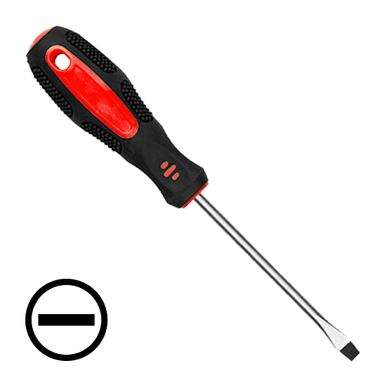
- Small flathead screwdriver
- 10mm socket
- 10mm ratchet
- 10mm deep socket
- 3-inch extension for ratchet
- Torque wrench (in-lb or low Nm range)
- Painters tape (1.5-inch)
- Needle-nose pliers
- Magnetic pickup tool
- Shop light
🔩 Required Parts
HowToo sells all the parts you need for this repair:
- Rear window regulator (correct side) - Qty: 1
- Rear window regulator motor - Qty: 1 (only if not included or motor is bad)
- Door panel trim clips - Qty: 6-10 (helpful if any break)
- Butyl ribbon/sealant for vapor barrier - Qty: 1 (only if the original adhesive won’t reseal)
📋 Before You Begin
- Park on level ground and switch the ignition to OFF.
- If the window still moves: turn ignition ON and lower the rear window until you can see the glass-to-regulator clamp bolts through the access holes, then turn ignition OFF.
- If the window is stuck up: that’s OK—you’ll unbolt the regulator first and carefully support the glass.
- Set up painters tape (1.5-inch) so you can secure the glass to the door frame.
🔨 Step-by-Step Instructions
Follow these steps in order:
Step 1: Remove the rear door trim panel
- Use a small flathead screwdriver to gently pop the small screw covers (typically near the inner handle and/or armrest).
- Remove the screws using a Phillips #2 screwdriver.
- Use a trim removal tool set to pry around the edges of the door panel and release the clips.
- Lift the panel straight up to unhook it from the window ledge.
- Unplug electrical connectors (window switch) by pressing the tab and pulling straight out. Use a small flathead screwdriver only if needed to help release the tab.
- Tip: Work slowly—clips break when rushed.
Step 2: Remove the vapor barrier (plastic sheet)
- Peel the vapor barrier back carefully by hand.
- If the butyl (sticky sealant) resists, use a trim removal tool set to help separate it without tearing the plastic.
- Keep the barrier clean so it can reseal later.
Step 3: Secure the glass so it can’t fall
- Apply 2–3 long strips of painters tape (1.5-inch) from the outside of the glass up and over the door frame to the inside.
- Press the tape firmly so it holds the glass in the fully-up position.
Step 4: Disconnect and position the regulator (if needed)
- Unplug the window motor connector (inside the door) by pressing the tab and pulling it off.
- If the glass-to-regulator bolts are not visible through the access holes, temporarily reconnect the switch, turn ignition ON, and run the window until the bolts line up with the access holes.
- Turn ignition OFF again and unplug the switch.
Step 5: Unbolt the glass from the regulator
- Through the access holes, remove the glass-to-regulator clamp bolts using a 10mm socket, 10mm ratchet, and 3-inch extension for ratchet.
- Once loose, confirm the glass is still securely held by tape before fully removing the bolts.
- Torque to 8 N·m (71 in-lb) on reassembly.
Step 6: Remove the regulator (and motor if replacing)
- Remove the regulator mounting bolts using a 10mm socket and 10mm ratchet.
- Guide the regulator out through the largest door opening. Use a shop light so you don’t snag cables.
- If you are transferring the motor: remove the motor screws/bolts using a 10mm socket (some units may use screws; use a Phillips #2 screwdriver if applicable).
- Torque to 8 N·m (71 in-lb) for regulator-to-door bolts.
- Torque to 5 N·m (44 in-lb) for motor fasteners (if removed).
- Tip: Don’t kink the cable—keep it relaxed.
Step 7: Install the new regulator
- Position the new regulator into the door the same way the old one came out.
- Hand-start all regulator bolts first to avoid cross-threading, then tighten with a 10mm socket and 10mm ratchet.
- Torque to 8 N·m (71 in-lb).
- Plug in the motor connector until it clicks.
Step 8: Reattach the glass to the regulator
- Carefully lower the glass onto the regulator clamps (remove some tape only if needed).
- Install the glass clamp bolts using a 10mm socket, 10mm ratchet, and 3-inch extension for ratchet.
- Torque to 8 N·m (71 in-lb).
Step 9: Function test before reassembling the door
- Reconnect the window switch connector.
- Turn ignition ON and run the window fully down and fully up while watching the glass edge for tilting or binding.
- If it binds: stop, loosen the regulator bolts slightly with a 10mm socket, align the regulator, then retighten and re-test.
Step 10: Reinstall the vapor barrier and door panel
- Press the vapor barrier back into the butyl adhesive by hand. If it won’t stick, apply butyl ribbon/sealant (part) around the perimeter and reseal.
- Reconnect all electrical connectors.
- Hook the door panel on the top ledge first, then press the clips in around the edges with your hands.
- Reinstall screws using a Phillips #2 screwdriver, then snap the covers back in place.
✅ After Repair
- Run the rear window up/down 5–10 times and listen for clicking or cable “popping.”
- Confirm the window seats evenly at the top weatherstrip and doesn’t leave a gap.
- Make sure the door handle, lock, and speaker (if equipped) work before calling it done.
- If you disconnected the battery, reset the clock/radio presets as needed.
💰 DIY vs Shop Cost
Shop Cost: $350-$650 (parts + labor)
DIY Cost: $80-$250 (parts only)
You Save: $270-$400 by doing it yourself!
Shop labor rates vary but typically run $100-$150/hour. This repair takes a shop approximately 1.5-3.0 hours.
🎯 Ready to get started?
HowToo makes it easy: same-day/2-day shipping on every part, plus all the tools and specialty tools you need! Check out the parts and tools sections below to add everything to your cart.