









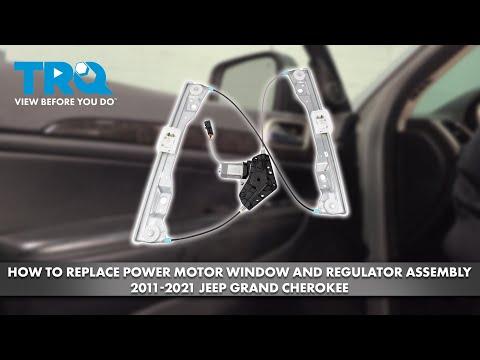




How to Replace a Front Window Regulator on a 2013 Jeep Grand Cherokee
Step-by-step door panel removal, tools/parts list, safety tips, and window glass setup & testing for 2011, 2012, 2013, 2014, 2015, 2016, 2017, 2018, 2019, 2020, 2021
How to Replace a Front Window Regulator on a 2013 Jeep Grand Cherokee
Step-by-step door panel removal, tools/parts list, safety tips, and window glass setup & testing for 2011, 2012, 2013, 2014, 2015, 2016, 2017, 2018, 2019, 2020, 2021


🔧 Grand Cherokee - Front Window Regulator Replacement
Replacing the front window regulator means removing the front door trim panel, supporting the glass, unbolting (or drilling out) the regulator, and installing the new unit so the window moves smoothly again. On your Grand Cherokee, this job also involves unplugging door electrical connectors and carefully handling the vapor barrier (the plastic water shield) so you don’t create leaks.
Difficulty Level: Intermediate | Estimated Time: 1.5-3.0 hours (one door)
⚠️ Safety & Precautions
- ⚠️ Disconnect the negative battery cable before unplugging door electronics to avoid setting faults.
- ⚠️ Support the window glass at all times; it can drop suddenly once detached.
- ⚠️ Keep fingers clear of the regulator “scissor/cable” area while testing.
- ⚠️ Do not tear the vapor barrier; it prevents water leaks into the cabin.
🔧 Required Tools
You'll need the following tools for this repair:
- Safety glasses
- Mechanic gloves
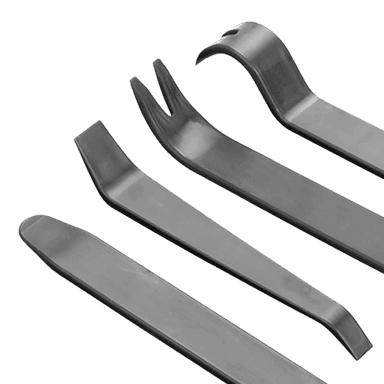
- Trim removal tool set
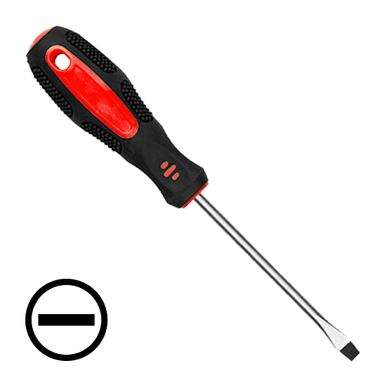
- Small flat-blade screwdriver
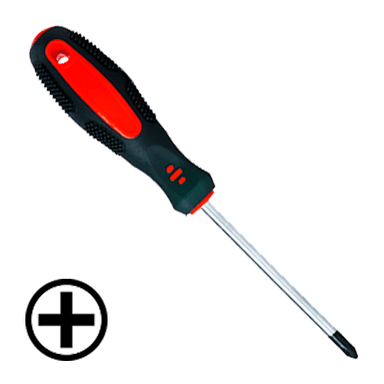
- Phillips screwdriver
- Ratchet (3/8")
- Socket set (7mm, 8mm, 10mm)
- Torx bit set (T20, T25, T30)
- Extension (3"–6")
- Painters tape (1"–2")
- Pick tool
- Magnetic parts tray
- Work light
- Torque wrench (inch-pound/foot-pound capable)
- Drill with 1/4" drill bit
- Rivet gun (heavy-duty) (specialty)
🔩 Required Parts
HowToo sells all the parts you need for this repair:
- Front window regulator - Qty: 1
- Front window regulator motor - Qty: 1 (only if not included)
- Window regulator rivet/bolt hardware kit - Qty: 1
- Door panel retainer clips - Qty: 1 set (as needed)
- Butyl seal tape (vapor barrier adhesive) - Qty: 1
📋 Before You Begin
- Park on level ground, shift to Park, and keep the key away from the vehicle.
- Lower the window to about halfway if possible (it exposes the glass-to-regulator fasteners).
- Use a 10mm socket to disconnect the negative battery terminal and isolate it.
- Quick check (2 questions so I tailor this perfectly): Are we replacing the driver front regulator or the passenger front regulator? And are you installing a complete regulator + motor assembly, or reusing your existing motor?
🔨 Step-by-Step Instructions
Follow these steps in order:
Step 1: Remove the front door trim panel
- Use a trim removal tool set to gently pry up the switch panel/armrest trim (work slowly to avoid breaking clips).
- Unplug the window/lock switch connectors using a small flat-blade screwdriver to release locking tabs.
- Remove visible screws using the correct driver: socket set (7mm, 8mm, 10mm) and/or Torx bit set (T20, T25, T30).
- Use a trim removal tool set to pop the door panel clips free around the perimeter.
- Lift the door panel straight up to unhook it from the top edge near the window.
- Unplug any remaining connectors and set the panel aside on a soft surface.
Step 2: Peel back the vapor barrier (water shield)
- Use a pick tool and your hands to slowly peel the barrier back only as much as needed.
- If the adhesive won’t stick again, plan to reseal with butyl seal tape during reassembly.
Step 3: Secure the window glass in the up position
- If the glass is still attached and moves, temporarily reconnect the switch, reconnect the battery, and position the glass so you can access the glass clamps/fasteners through the door openings; then disconnect the battery again using a 10mm socket.
- Use painters tape (1"–2") to tape the glass to the door frame (several long strips), or wedge it gently in place.
- Tip: Use 3–4 long tape strips.
Step 4: Detach the glass from the regulator
- Through the access holes, remove the glass-to-regulator fasteners using the appropriate tool: socket set (7mm, 8mm, 10mm) and/or Torx bit set (T20, T25, T30).
- Once detached, push the glass fully up by hand and re-tape it securely using painters tape (1"–2").
Step 5: Disconnect and remove the regulator (and motor if included)
- Unplug the regulator/motor electrical connector(s) using a small flat-blade screwdriver to release the lock.
- Remove regulator fasteners using a ratchet (3/8"), extension (3"–6"), and socket set (7mm, 8mm, 10mm).
- If your regulator is factory-riveted, drill the rivet heads with a drill with 1/4" drill bit and catch debris with a work light and magnetic parts tray.
- Carefully maneuver the regulator assembly out through the largest access opening.
Step 6: Transfer the motor (only if you are reusing it)
- Remove the motor screws using the correct size from your Torx bit set (T20, T25, T30).
- Install the motor onto the new regulator and tighten evenly using the same Torx bit set (T20, T25, T30).
Step 7: Install the new regulator
- Position the regulator into the door and align mounting points.
- Install mounting hardware using a ratchet (3/8"), extension (3"–6"), and socket set (7mm, 8mm, 10mm).
- If rivets are required, set them using a rivet gun (heavy-duty) (specialty).
- Torque specs: Once you answer the two questions above (side + motor/assembly), I’ll give you the exact fastener torque values for your A4—sorry, for your Grand Cherokee and the correct fastener-type path (bolts vs rivets).
Step 8: Reattach the glass to the regulator
- Carefully lower the glass onto the regulator clamps (remove some tape as needed).
- Install and tighten the glass fasteners using the correct tool: socket set (7mm, 8mm, 10mm) and/or Torx bit set (T20, T25, T30).
Step 9: Function test before reassembly
- Reconnect the regulator connector and reconnect the battery using a 10mm socket.
- Plug in the switch and run the window up/down while watching for binding, crooked travel, or popping noises.
- Disconnect the battery again with a 10mm socket before reinstalling the vapor barrier and trim.
Step 10: Re-seal the vapor barrier and reinstall the door panel
- Press the vapor barrier back into place; if needed, apply butyl seal tape for a continuous seal.
- Reconnect all door panel connectors.
- Hang the panel on the top edge and press clips in firmly by hand around the perimeter.
- Reinstall all screws using the correct tool from your socket set (7mm, 8mm, 10mm) and Torx bit set (T20, T25, T30).
- Snap trim/switch panel back in using a trim removal tool set.
✅ After Repair
- Reconnect the battery using a 10mm socket.
- Cycle the window fully down, then fully up, several times to confirm smooth travel and proper sealing.
- If auto-up/auto-down doesn’t work, perform window initialization: hold the switch fully down for a few seconds after it reaches bottom, then fully up for a few seconds after it reaches top.
- Check for water leaks later by spraying the window/door area and confirming the carpet stays dry.
💰 DIY vs Shop Cost
Shop Cost: $450-$900 (parts + labor)
DIY Cost: $120-$350 (parts only)
You Save: $300-$650 by doing it yourself!
Shop labor rates vary but typically run $100-$150/hour. This repair takes a shop approximately 1.5-3.0 hours.
🎯 Ready to get started?
HowToo makes it easy: same-day/2-day shipping on every part, plus all the tools and specialty tools you need! Check out the parts and tools sections below to add everything to your cart.