














How to Fix No-Start Issues on a 2017 Toyota RAV4 Hybrid
Step-by-step diagnostics for the 12V battery, fuses, relays, and hybrid start system for 2016, 2017, 2018
How to Fix No-Start Issues on a 2017 Toyota RAV4 Hybrid
Step-by-step diagnostics for the 12V battery, fuses, relays, and hybrid start system for 2016, 2017, 2018


🔧 Starter Motor - Diagnostic Note
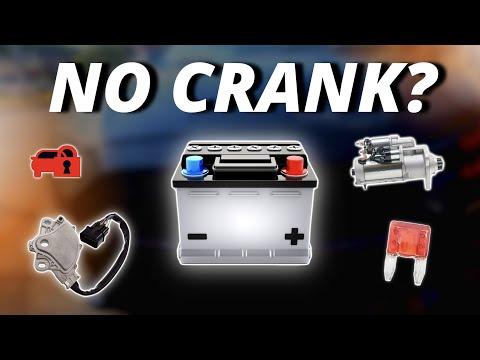
Your RAV4 Hybrid does not use a conventional starter motor. The gas engine is started by the hybrid system, so there is no starter motor to replace on this vehicle. If you are hearing a no-crank, no-start, or clicking issue, the problem is usually the 12V battery, hybrid system wake-up, relays, or control logic instead.
Difficulty Level: Intermediate | Estimated Time: 1-2 hours
⚠️ Safety & Precautions
- Hybrid high-voltage components can be dangerous. Do not disconnect orange HV cables.
- Keep hands clear of the engine bay during hybrid system start attempts.
- If you are testing electrical power, use caution around the 12V battery terminals.
- Battery disconnect may be required for certain electrical tests.
🔧 Required Tools
You'll need the following tools for this repair:
- 10mm socket
- Ratchet
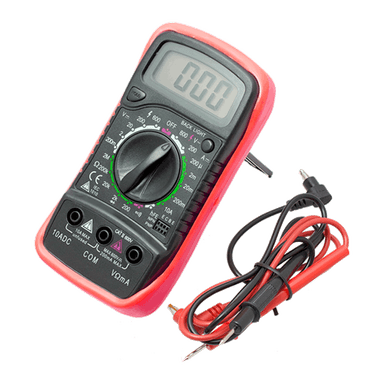
- Digital multimeter
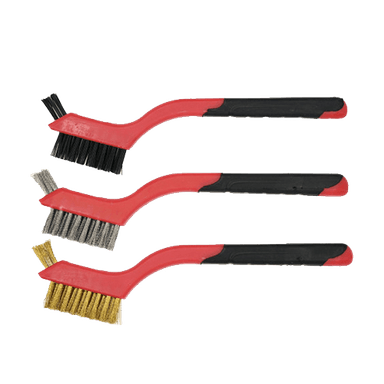
- Battery terminal brush
- Safety glasses
- Gloves
🔩 Required Parts
HowToo sells all the parts you need for this repair:
- 12V battery - Qty: 1, if test results show it is weak
- Battery terminal cleaning supplies - Qty: 1, if corrosion is present
- Relevant relays or fuses - Qty: 1, only if diagnostics confirm failure
📋 Before You Begin
- Park on level ground and set the parking brake.
- Power the vehicle fully OFF before testing.
- If the hybrid system has warning lights, scan codes first.
- A weak 12V battery can mimic starter failure.
🔨 Step-by-Step Instructions
Follow these steps in order:
Step 1: Confirm there is no starter motor
- Your RAV4 Hybrid uses the hybrid drive system to start the engine, not a starter motor.
- No starter replacement procedure applies to this model.
Step 2: Test the 12V battery
- Use a digital multimeter to check battery voltage at the 12V battery terminals.
- A fully charged 12V battery should read about 12.6V with the vehicle off.
- If voltage is low, charge or replace the battery before going farther.
Step 3: Check battery connections
- Use a 10mm socket and ratchet to inspect the 12V battery terminal nuts.
- Clean any corrosion with a battery terminal brush.
- Tight, clean terminals matter a lot.
Step 4: Scan for hybrid system codes
- Read DTCs with a scan tool if the READY light will not come on.
- Follow the code path for the hybrid control system, battery control, or power management system.
Step 5: Inspect related fuses and relays
- Check the fuse boxes for any blown IGN, AM2, or EFI-related fuses.
- Replace only the fuse that is confirmed bad, then retest.
✅ After Repair
- Start the vehicle and confirm the READY light comes on.
- Check for warning lights on the dash.
- Verify normal engine start behavior from the hybrid system.
- Clear stored codes after repairs are complete.
💰 DIY vs Shop Cost
Shop Cost: $120-$250 for diagnosis and basic electrical testing
DIY Cost: $0-$180 depending on whether a 12V battery is needed
You Save: $120-$250 by doing it yourself!
Shop labor rates vary but typically run $100-$150/hour. This repair takes a shop approximately 1-2 hours.
🎯 Ready to get started?
HowToo makes it easy: same-day/2-day shipping on every part, plus all the tools and specialty tools you need! Check out the parts and tools sections below to add everything to your cart.