









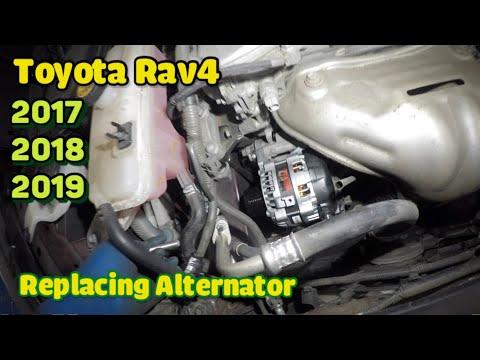





How to Fix Charging Problems on a 2017 Toyota RAV4 Hybrid
Step-by-step troubleshooting for 12V battery, inverter, fuses, and hybrid charging warnings for 2016, 2017, 2018
How to Fix Charging Problems on a 2017 Toyota RAV4 Hybrid
Step-by-step troubleshooting for 12V battery, inverter, fuses, and hybrid charging warnings for 2016, 2017, 2018


🔧 Alternator - Replacement
Your RAV4 Hybrid does not use a conventional belt-driven alternator. Charging is handled by the hybrid inverter/converter system and DC-DC converter instead. If you’re seeing a charging warning, the repair is usually in the 12V battery, battery cables, inverter cooling system, or the hybrid charging system—not an alternator.
Difficulty Level: Advanced | Estimated Time: 2-4 hours
⚠️ Safety & Precautions
- High-voltage hybrid components can be dangerous. Do not touch orange cables or hybrid inverter terminals.
- Disconnect the 12V battery before working near charging components.
- Wait at least 5 minutes after shutdown before servicing hybrid-related parts.
- Use insulated tools and safety glasses.
- If the issue is charging-related, scan the vehicle first for hybrid and charging DTCs.
🔧 Required Tools
You'll need the following tools for this repair:
- 10mm socket
- 12mm socket
- 14mm socket
- Ratchet
- Extension bar
- Torque wrench
- Trim removal tool
- Multimeter
- Safety glasses
- Mechanic gloves
- Insulated hand tools
🔩 Required Parts
HowToo sells all the parts you need for this repair:
- 12V battery - Qty: 1
- Battery terminal clamps or cable ends - Qty: 1 set if corroded
- Inverter coolant - Qty: as needed
- Hybrid system fuse or charging-related fuse - Qty: 1 if failed
📋 Before You Begin
- Park on level ground and set the parking brake.
- Power the vehicle fully OFF.
- Open the hood and inspect the 12V battery area first.
- Use a scan tool to confirm whether the fault is actually charging-system related.
🔨 Step-by-Step Instructions
Follow these steps in order:
Step 1: Confirm the charging fault
- Use a multimeter to check 12V battery voltage at rest.
- If voltage is low, inspect the battery, terminals, and grounds before assuming a charging-unit failure.
- Low voltage can mimic alternator failure.
Step 2: Disconnect the 12V battery
- Use a 10mm socket to disconnect the negative battery terminal first.
- Move the cable aside so it cannot spring back and touch the post.
Step 3: Inspect the inverter and related wiring
- Check the inverter area, cables, and connectors for damage, corrosion, or coolant leaks.
- Do not disconnect orange high-voltage connectors unless the hybrid service procedure is being followed exactly.
Step 4: Replace failed 12V charging-related parts
- If the 12V battery failed testing, install the new battery using a 10mm socket.
- If a fuse or corroded cable end is damaged, remove it with the correct socket and install the replacement part.
- Torque to 5 Nm (44 ft-lbs) for typical battery terminal hardware only if the fastener design allows; do not overtighten battery clamps.
Step 5: Reconnect and verify
- Reconnect the negative battery terminal with a 10mm socket.
- Start the vehicle in READY mode and verify charging system warnings are gone.
- Use a scan tool to clear codes if needed.
✅ After Repair
- Confirm the READY light comes on normally.
- Check for warning lights on the dash.
- Recheck battery voltage and scan for stored codes after a short drive.
- If the warning returns, the inverter/charging system needs diagnostic testing.
💰 DIY vs Shop Cost
Shop Cost: $150-$600 (diagnosis + parts + labor)
DIY Cost: $50-$250 (mostly 12V battery or minor parts)
You Save: $100-$350 by doing it yourself!
Shop labor rates vary but typically run $100-$150/hour. This repair takes a shop approximately 1-2 hours.
🎯 Ready to get started?
HowToo makes it easy: same-day/2-day shipping on every part, plus all the tools and specialty tools you need! Check out the parts and tools sections below to add everything to your cart.